
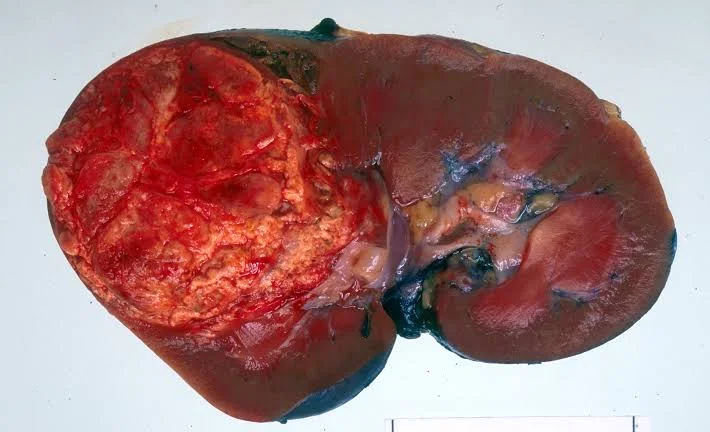
A kidney cancer diagnosis can raise many questions about treatment, surgery, recovery and long-term kidney health. Understanding the type and stage of the tumour is essential because treatment varies according to its size, location, spread and the patient’s overall health. Advances in urology, including robotic and minimally invasive surgery, have expanded treatment options for many people with kidney tumours.
At Jewel Urology Center, Dr. Vivek Venkat provides specialised urological and cancer-care consultations, including evaluation and treatment planning for kidney cancer. With advanced fellowship training in uro-oncology and robotic surgery from the University of Miami Miller School of Medicine, USA, he focuses on evidence-based treatment and individualised surgical planning. Patients searching for a kidney cancer doctor mumbai can consult him to understand their diagnosis and explore appropriate treatment options.
Understanding Kidney Cancer
Kidney cancer develops when abnormal cells grow uncontrollably in kidney tissue. The most common type in adults is renal cell carcinoma (RCC), which begins in the cells lining the small tubes inside the kidney. Other, less common types include transitional cell carcinoma of the renal pelvis and Wilms tumour, which primarily affects children.
Some kidney tumours are discovered incidentally during imaging tests performed for unrelated reasons. Others may cause symptoms as they grow.
Common signs and symptoms can include:
- Blood in the urine, which may appear pink, red or brown.
- Persistent pain in the side or lower back.
- A lump or swelling in the abdominal or flank area.
- Unexplained weight loss or reduced appetite.
- Persistent fatigue.
- Fever that does not have an obvious cause.
These symptoms do not necessarily mean a person has kidney cancer. However, visible blood in the urine or persistent unexplained discomfort should be medically evaluated rather than ignored.
Diagnosis and Staging of Kidney Cancer
Accurate diagnosis helps determine the extent of the disease and guides treatment selection. Dr. Venkat’s evaluation may involve reviewing the patient’s symptoms, medical history, previous reports and imaging studies.
Investigations may include:
1. Ultrasound: An ultrasound examination can help identify a kidney mass and distinguish certain fluid-filled cysts from solid lesions.
2. CT scan: A contrast-enhanced CT scan of the abdomen and pelvis is commonly used to assess the tumour’s size, location, involvement of nearby structures and possible spread.
3. MRI: MRI may be recommended when additional detail is needed, particularly to assess involvement of blood vessels or surrounding tissues.
4. Blood and urine tests: These help evaluate kidney function, general health and other relevant clinical factors.
5. Kidney tumour biopsy: A biopsy may be recommended in selected cases when tissue confirmation is needed to guide treatment. It is not necessary before every kidney cancer operation.
Cancer staging describes how far the disease has progressed. It considers tumour size and local extension, lymph node involvement and whether cancer has spread to distant organs. This information helps the specialist discuss the available treatment approaches.
Treatment Options for Kidney Cancer
Treatment depends on tumour characteristics, kidney function, the patient’s general health and personal preferences. The aim is to control the cancer while preserving kidney function whenever safely possible.
1. Active Surveillance
Not every small kidney mass requires immediate surgery. In selected patients, particularly those with small tumours or significant health concerns, active surveillance may be appropriate. It involves planned imaging and clinical follow-up to monitor changes in the tumour.
The decision should be made after discussing the potential benefits and risks of monitoring compared with immediate treatment.
2. Partial Nephrectomy
Partial nephrectomy removes the tumour while preserving the remaining healthy kidney tissue. It is also known as nephron-sparing surgery.
This approach may be suitable for selected localised kidney cancers, depending on tumour size, location and complexity. Preserving functioning kidney tissue can be particularly important for patients with reduced kidney function, a single kidney or conditions that increase the risk of future kidney disease.
3. Robotic Partial Nephrectomy
Robotic-assisted surgery allows the surgeon to operate using specialised instruments and a magnified, high-definition view. In suitable cases, robotic partial nephrectomy can help remove the tumour while preserving healthy kidney tissue.
The choice of robotic, laparoscopic or open surgery depends on tumour anatomy, complexity, the patient’s health and the surgeon’s assessment. Robotic surgery is not automatically the best option for every tumour.
4. Radical Nephrectomy
When a tumour is large, complex or unsuitable for kidney-preserving surgery, removal of the entire affected kidney may be recommended. This operation is called radical nephrectomy.
The surgeon evaluates the tumour’s relationship with nearby structures, the function of both kidneys and the overall clinical situation before recommending this approach. Many people can maintain adequate kidney function with one healthy kidney, but individual assessment and follow-up are important.
5. Treatment for Advanced Kidney Cancer
When kidney cancer has spread beyond the kidney, treatment planning may involve a multidisciplinary team. Depending on the cancer type, extent of disease and patient factors, treatment may include immunotherapy, targeted medicines, surgery in selected cases or a combination of approaches.
For advanced or metastatic disease, the goals may include controlling cancer growth, managing symptoms, maintaining quality of life and selecting treatments according to the patient’s overall health. Treatment decisions should be made with appropriate oncology input.
Meet Dr. Vivek Venkat – Uro-Oncologist and Robotic Surgeon
Dr. Vivek Venkat is a Consultant Uro-Oncologist and Robotic Urologist with over 15 years of experience in complex urological care. His qualifications include:
- MBBS: B. J. Medical College, Pune.
- MS in General Surgery: Seth G. S. Medical College and K. E. M. Hospital, Mumbai.
- M.Ch. in Urology: Christian Medical College (CMC), Vellore, where he received a Gold Medal.
- Fellowship in Uro-Oncology and Robotic Surgery: University of Miami Miller School of Medicine, USA, from 2015 to 2017.
- ECFMG certification: United States.
Dr. Venkat previously served as Assistant Professor in Urology and Renal Transplantation at CMC Vellore. He also worked as a Clinical Instructor in Urologic Oncology and Robotic Surgery at the University of Miami Hospital. His profile describes participation in more than 800 robotic surgical cases during his training and professional experience.
His areas of expertise include kidney, prostate and bladder cancer, robotic urological surgery, partial and radical nephrectomy, adrenal surgery and complex minimally invasive procedures. He is also associated with teaching and research in urology.
Patient-Focused Care at Jewel Urology Center
Jewel Urology Center is located at Jewel Hospital in the JVPD Scheme area of Vile Parle West, Mumbai. Dr. Venkat’s practice includes specialist consultations for kidney cancer and other urological conditions.
The consultation process focuses on reviewing medical records and scans, understanding the patient’s concerns and explaining possible treatment approaches. Patients can discuss the role of kidney-preserving surgery, robotic techniques, recovery expectations and follow-up requirements.
Dr. Venkat also practices at other hospitals in Mumbai, including Nanavati Max Hospital. The appropriate location for consultation or surgery should be confirmed with the appointment team.
His broader urological practice includes Robotic Adrenalectomy Surgery in Mumbai for selected adrenal conditions. Adrenal surgery is distinct from kidney cancer treatment, but both require specialised surgical planning and knowledge of the urinary and retroperitoneal anatomy.
Why Consult Dr. Vivek Venkat?
Choosing a specialist for kidney cancer involves considering qualifications, experience in uro-oncology, surgical expertise and the ability to explain treatment alternatives. Dr. Venkat’s advanced fellowship training, academic experience and exposure to complex robotic procedures form part of his professional background.
Recognised by his practice as a Best Uro Surgeon in Mumbai, he provides consultations for patients seeking guidance about kidney tumours and other urological cancers. A personalised assessment helps determine whether surveillance, kidney-preserving surgery, radical nephrectomy or a broader cancer-treatment plan is appropriate.
Book a Consultation with Dr. Vivek Venkat
A kidney cancer diagnosis deserves careful evaluation and a treatment plan based on the individual patient’s condition. If you have been diagnosed with a kidney tumour, have concerning imaging findings or would like a specialist opinion on your treatment options, contact Dr. Vivek Venkat at Jewel Urology Center.
Discuss your reports, understand the available approaches and receive guidance on the next steps in your care.
📧appointments@drvivekvenkat.com
Frequently Asked Questions
1. Is every kidney tumour cancerous?
No. Kidney tumours may be benign or malignant. Imaging helps assess the mass, and further evaluation or biopsy may be recommended in selected cases to clarify the diagnosis.
2. Can kidney cancer be treated without removing the entire kidney?
Yes. For suitable localised tumours, partial nephrectomy removes the tumour while preserving healthy kidney tissue. Whether this is possible depends on the tumour’s size, position and complexity.
3. Is robotic surgery suitable for all kidney cancer patients?
No. Robotic surgery may be appropriate for selected patients, but the decision depends on tumour characteristics, kidney function, overall health and surgical considerations. Open or laparoscopic surgery may be more suitable in some cases.
4. What happens if kidney cancer has spread?
Advanced kidney cancer may require systemic treatments such as immunotherapy or targeted medicines. Surgery may be considered in selected situations. A multidisciplinary team can help determine the treatment goals and the most appropriate plan.