
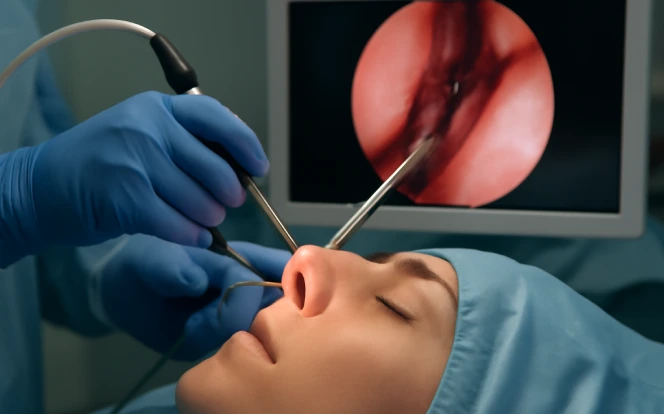
Persistent sinus problems can affect breathing, sleep, concentration and everyday comfort. While medication and other non-surgical treatments help many people, some patients with chronic sinusitis, nasal polyps or blocked sinus passages may require surgical treatment. Functional Endoscopic Sinus Surgery (FESS) is a minimally invasive procedure designed to open blocked sinus pathways and improve drainage.
For patients exploring affordable sinus surgery in mumbai, understanding the procedure, the factors that influence its cost and the surgeon’s experience is an important first step. Dr. Shama Kovale, an experienced ENT specialist at Kokilaben Dhirubhai Ambani Hospital and Medical Research Institute, offers evaluation and treatment for a range of sinus and nasal conditions.
Understanding Functional Endoscopic Sinus Surgery
Functional Endoscopic Sinus Surgery, commonly known as FESS, is performed using a thin endoscope equipped with a camera and light. The surgeon inserts it through the nostrils to examine the nasal passages and sinus openings. Specialised instruments are then used to remove or address the tissue obstructing normal sinus drainage.
Unlike traditional approaches that may require external incisions, FESS is generally performed through the nostrils. The aim is to improve sinus ventilation and drainage while preserving as much healthy tissue as possible.
The procedure may be considered for patients with:
- Chronic sinusitis that does not improve adequately with medical treatment.
- Nasal polyps causing persistent blockage.
- Recurrent sinus infections.
- Certain forms of fungal sinusitis.
- Structural or anatomical blockages affecting sinus drainage.
- Selected cases requiring revision sinus surgery.
Not everyone with sinus symptoms needs surgery. An ENT specialist evaluates the underlying cause and recommends treatment according to the patient’s condition.
When Should You Consider Sinus Surgery?
Sinusitis can cause nasal congestion, facial pressure, headaches, thick nasal discharge, reduced sense of smell and postnasal drip. Symptoms that persist for several weeks or repeatedly return deserve medical assessment.
Chronic rhinosinusitis is generally considered when relevant symptoms continue for at least 12 weeks. However, symptom duration alone does not determine whether surgery is necessary.
An ENT specialist may recommend further investigation if symptoms continue despite appropriate medication, nasal sprays, saline irrigation or allergy management. Nasal endoscopy and a CT scan of the sinuses can help identify inflammation, polyps, anatomical variations and blocked drainage pathways.
Surgery is usually considered after the doctor has assessed the diagnosis, severity of disease and response to non-surgical treatment.
What Determines the Cost of Sinus Surgery in Mumbai?
The cost of sinus surgery can differ from one patient to another. There is no single fixed price that applies to every case because the treatment plan depends on the complexity of the condition and the surgical requirements.
Some important cost factors include:
1. Severity of sinus disease: Patients with limited blockage may require a different procedure from those with extensive chronic inflammation, multiple nasal polyps or fungal disease.
2. Type of surgery: The surgical approach depends on the affected sinus areas, anatomy and whether the patient needs primary or revision surgery.
3. Diagnostic investigations: Nasal endoscopy, CT imaging, blood tests and pre-anaesthesia assessments may contribute to the overall treatment expense.
4. Hospital and operating-room charges: The hospital’s facilities, operating-room requirements, equipment and admission arrangements can influence the final estimate.
5. Anaesthesia and medical assessment: The anaesthesia plan and any additional medical evaluation required before surgery may affect the overall cost.
6. Post-operative care: Follow-up consultations, nasal cleaning, prescribed medicines and additional treatment can form part of the overall expense.
Patients seeking affordable sinus surgery in mumbai should compare complete treatment estimates rather than focusing only on the quoted surgical fee. During consultation, ask for a clear explanation of what the estimate includes, such as investigations, hospital charges, anaesthesia and follow-up care.
Why Choose Dr. Shama Kovale for Sinus Treatment?
Dr. Shama S. Kovale is an ENT specialist with qualifications including MBBS, Diploma in Otorhinolaryngology (DLO) and MS in ENT from B.Y.L. Nair Hospital, Mumbai. Her clinical interests include voice, swallowing, airway conditions, cochlear implants and endoscopic ENT procedures.
Her additional training includes experience and specialised exposure at UC Davis in the United States, Bombay Hospital and P.D. Hinduja Hospital. Her professional work covers endoscopic sinus surgery, revision FESS, nasal polyposis and fungal sinusitis. She also has more than 23 years of ENT and sinus surgery experience, according to her professional profile.
Patients looking for the Best ENT in Mumbai can discuss their symptoms, diagnostic findings and available treatment options with Dr. Kovale. Her approach includes assessing the condition carefully and explaining the recommended plan so patients can make informed decisions.
Treatment Environment at Kokilaben Dhirubhai Ambani Hospital
Dr. Kovale consults at Kokilaben Dhirubhai Ambani Hospital and Medical Research Institute in Andheri West, Mumbai. The hospital setting supports specialist-led evaluation and treatment within a multispecialty medical environment.
The ENT services associated with Dr. Kovale include an Endoscopic ENT and Nasal Clinic that manages conditions such as sinusitis, nasal polyps and deviated nasal septum. Diagnostic assessment may include nasal endoscopy and appropriate imaging to understand the patient’s sinus anatomy and plan treatment.
This coordinated approach helps patients discuss diagnosis, surgical suitability, pre-operative assessment and follow-up care with their treating team.
What Happens During and After FESS?
FESS is commonly performed under general anaesthesia. The surgeon uses an endoscope to view the nasal passages and carefully address the areas causing obstruction. The exact duration and extent of surgery depend on the condition being treated.
After the procedure, patients may experience temporary nasal congestion, mild bleeding, pressure or discharge. Recovery varies according to the extent of surgery and individual healing. The doctor may recommend saline rinses, prescribed medication and follow-up visits to monitor recovery and clean the nasal passages when required.
Patients should follow their surgeon’s instructions regarding rest, activity, medicines and nasal care. They should also attend scheduled follow-ups, as ongoing management of allergies or chronic inflammation may be important for long-term symptom control.
Benefits and Possible Risks of Endoscopic Sinus Surgery
FESS aims to improve sinus drainage and ventilation. Depending on the underlying condition, it may help reduce recurrent infections, nasal obstruction and pressure symptoms. It can also improve access for topical treatments to reach the sinus lining.
Like any surgery, FESS carries potential risks. These may include bleeding, infection, scar tissue formation, persistent symptoms or recurrence of nasal polyps. Rare but serious complications can involve the eye or the tissues surrounding the brain. Your surgeon will explain the risks relevant to your condition and discuss alternatives before treatment.
Schedule Your Consultation Today
Consult Dr. Shama Kovale at Kokilaben Dhirubhai Ambani Hospital for timely evaluation and expert ENT care. Discuss your symptoms, diagnostic findings and suitable treatment options to understand whether endoscopic sinus surgery is appropriate for you.
Give Us a Ring: +91-91528 50769
Email: drshamakovaleent@gmail.com
Frequently Asked Questions
1. Is sinus surgery always necessary for chronic sinusitis?
No. Many patients improve with medication, nasal sprays, saline irrigation and allergy management. Surgery may be considered when symptoms persist despite appropriate medical treatment or when specific blockages require surgical correction.
2. How much does endoscopic sinus surgery cost in Mumbai?
The cost depends on disease severity, the extent of surgery, investigations, anaesthesia, hospital charges and follow-up requirements. A personalised estimate can be provided after an ENT assessment.
3. How long does recovery from FESS take?
Recovery differs between patients and depends on the extent of the procedure. Some people resume light activities within a few days, while complete healing may take longer. Follow your surgeon’s advice and attend all post-operative appointments.
4. Can sinusitis return after endoscopic sinus surgery?
Symptoms can recur, particularly when underlying inflammation, allergies or nasal polyps remain active. Regular follow-up and ongoing medical management may help maintain the benefits of surgery.