
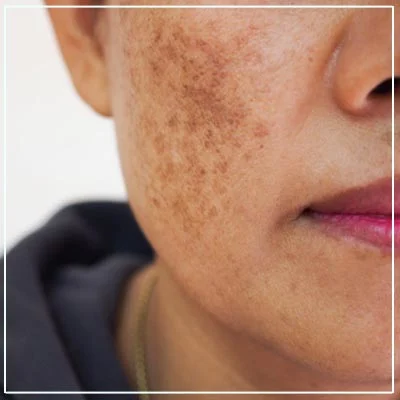
Melasma is a common skin pigmentation condition that causes brown, grey-brown or darker patches, usually on the face. These patches often appear on the cheeks, forehead, nose, upper lip and chin. Although melasma is not harmful or contagious, it can affect a person’s confidence and may persist or return without appropriate care.
Melasma is influenced by several factors, including sun exposure, hormonal changes, genetics and individual skin characteristics. Identifying these triggers is an important part of managing the condition. At Viva Aesthetic Clinic, Dr. Deepam Shah provides personalised dermatological assessment and discusses suitable options for pigmentation concerns. People exploring melasma treatment in mumbai can consult a skin specialist to understand the cause of their pigmentation and the treatment approach best suited to their skin.
What Is Melasma?
Melasma is a form of hyperpigmentation that develops when pigment-producing cells called melanocytes produce excess melanin in certain areas of the skin. It commonly affects sun-exposed parts of the face and may appear as symmetrical patches on both cheeks or across the forehead and upper lip.
Melasma is more frequently observed in women, although men can also develop it. It may become more noticeable during periods of hormonal change, including pregnancy or while using certain hormonal medications.
Unlike a temporary tan, melasma can be persistent. Its appearance may fluctuate with sun exposure, heat and hormonal influences. A dermatologist can examine the pattern and depth of pigmentation to distinguish melasma from freckles, sun spots and post-inflammatory hyperpigmentation.
Common Causes and Triggers of Melasma
Melasma does not usually have one single cause. Several factors may contribute to its development or make existing patches darker.
1. Sun exposure: Ultraviolet radiation can stimulate melanin production and worsen existing pigmentation. Even regular outdoor exposure can contribute to recurrence.
2. Hormonal changes: Pregnancy, hormonal fluctuations and certain hormonal medications may be associated with melasma.
3. Genetic tendency: A family history of melasma can increase susceptibility. Some individuals are more prone to developing pigmentation than others.
4. Heat and visible light: Heat and exposure to certain wavelengths of visible light may aggravate pigmentation in susceptible individuals.
5. Skin irritation: Harsh skincare products, aggressive exfoliation and inflammation can worsen pigmentation or cause additional dark marks.
6. Individual skin characteristics: Melasma is more commonly seen in people with medium to darker skin tones, although it can affect different skin types.
Understanding these triggers helps a dermatologist create a treatment and prevention plan rather than focusing only on the visible patches.
Types of Melasma
Melasma is often classified according to the depth and distribution of pigment.
- Epidermal melasma: Pigment is mainly located in the upper layers of the skin. It may appear brown and can respond better to certain topical treatments.
- Dermal melasma: Pigment is located deeper in the skin and may appear greyish or bluish-brown. It can be more challenging to manage.
- Mixed melasma: Pigmentation is present at more than one skin depth.
- Facial patterns: Melasma may affect the cheeks, forehead, upper lip, nose or jawline, sometimes in a symmetrical distribution.
The visible colour alone cannot reliably establish the depth of pigmentation. A clinical assessment is necessary before selecting treatment.
Treatment Options for Melasma
There is no universal treatment that works for everyone. The dermatologist considers skin type, pigmentation depth, medical history, possible triggers and previous treatment responses.
1. Prescription Lightening Creams
Topical treatments are often an important part of melasma management. Depending on the patient’s condition, a dermatologist may prescribe ingredients such as hydroquinone, azelaic acid, retinoids or other pigment-regulating agents.
Some prescription combinations may be used for a limited period under medical supervision. These products should not be started or continued without guidance, as inappropriate use can cause irritation and other side effects.
2. Chemical Peels
Selected chemical peels use controlled exfoliation to improve uneven skin tone and reduce superficial pigmentation. Viva Aesthetic Clinic lists chemical peel treatment among its pigmentation-care options.
The type and strength of peel must be selected carefully. Overly aggressive peels may irritate the skin and worsen pigmentation, particularly in individuals prone to post-inflammatory hyperpigmentation.
3. Laser and Laser Toning Treatments
Certain laser technologies may be considered for selected pigmentation concerns. Viva Aesthetic Clinic describes the use of Q-switched Nd laser technology for pigment-related conditions and lists laser toning among its pigmentation treatment options.
However, laser treatment is not suitable for every melasma patient. Some individuals may experience irritation, rebound pigmentation or worsening of the condition. A dermatologist should assess the risks and benefits before recommending a laser-based procedure.
4. Retinoids and AHA/BHA-Based Treatments
Retinoids can support skin renewal and may be included in selected pigmentation treatment plans. Alpha hydroxy acids (AHAs) and beta hydroxy acids (BHAs) help exfoliate the skin, although their suitability depends on the patient’s skin sensitivity and condition.
These ingredients should be introduced carefully. Excessive exfoliation can damage the skin barrier and make pigmentation more noticeable.
5. Microneedling and Other Procedures
Microneedling may be considered in selected cases to improve skin texture and support collagen-related skin renewal. Viva Aesthetic Clinic also lists microneedling among its pigmentation and skin-resurfacing options.
Not every procedure is appropriate for melasma. The dermatologist must determine whether a treatment is suitable and whether its potential benefits outweigh the risk of irritation or pigmentation changes.
Why Choose Dr. Deepam Shah at Viva Aesthetic Clinic?
Dr. Deepam Shah is a dermatologist, cosmetologist and hair transplant surgeon practising in South Mumbai. He holds an MBBS degree from the University of Bombay, completed DNB in Dermatology and Venereology from the University of Delhi, and has a Fellowship in Aesthetic Medicine, Hair Transplant and Dermatology from the Institute of Laser & Aesthetic Medicine (ILAMED).
With over a decade of experience in skin and hair treatments, Dr. Shah focuses on understanding the underlying cause of a patient’s concern before recommending a treatment plan. His professional profile also highlights his involvement in patient education, conferences and seminars. He has received recognition including the Best Post Graduate Student award from the Galderma Institute and a silver medal in the MUHS examination.
Patients looking for a Dermatologist and Skin Specialist in Mumbai can consult Dr. Shah for pigmentation, skin texture, ageing-related concerns and other dermatological or aesthetic treatments.
Clinic Environment and Pigmentation Care
Viva Aesthetic Clinic, founded by Dr. Deepam Shah, is a 1,000-square-foot facility in South Mumbai. The clinic is equipped with modern lasers and medical devices, with services supported by trained and qualified professionals.
Its treatment offerings include skin pigmentation care, chemical peels, laser-based procedures and other aesthetic services. The clinic’s approach emphasises individual assessment and selecting suitable technology according to the patient’s skin concern.
Those searching for a Dermatologist in Mumbai can visit the clinic’s Opera House or Colaba locations for consultation. The dermatologist can assess the pigmentation pattern, discuss possible triggers and explain the benefits, limitations and aftercare associated with suitable treatment options.
How to Prevent Melasma from Returning
Melasma often requires long-term management, even after visible improvement. Sun protection and a consistent skincare routine are essential parts of care.
- Apply broad-spectrum SPF 30 or higher sunscreen every day.
- Consider a tinted sunscreen containing iron oxides for additional protection against visible light, if suitable for your skin.
- Reapply sunscreen as directed, especially when outdoors.
- Wear a broad-brimmed hat and seek shade during strong sunlight.
- Avoid harsh scrubs, unprescribed bleaching creams and excessive exfoliation.
- Follow the skincare routine recommended by your dermatologist.
- Discuss hormonal medications or pregnancy-related changes with your treating doctor.
These steps can help reduce aggravating factors, although they cannot guarantee that melasma will never recur.
Book a Consultation at Viva Aesthetic Clinic
If you are concerned about persistent facial pigmentation, a professional skin assessment can help identify whether it is melasma and which treatment options may be appropriate. Consult Dr. Deepam Shah at Viva Aesthetic Clinic for personalised advice and a treatment plan based on your skin type and concerns.
📞 93245 89084 | ☎️ 022 3573 1556
📧 clinicvivacosmetic@gmail.com
📍 Visit: Viva Aesthetic Clinic, Opera House or Colaba, Mumbai
Take the first step towards better-managed pigmentation with a consultation and dermatologist-guided care.
Frequently Asked Questions
1. Can melasma be completely cured?
Melasma can often be improved, but it is a chronic condition that may return. Long-term sun protection, suitable skincare and dermatologist-guided treatment can help manage recurrence.
2. How long does melasma treatment take to show results?
The timeline varies depending on pigmentation depth, skin type, treatment choice and consistency. Some patients may notice gradual improvement over several weeks or months. Your dermatologist can discuss realistic expectations after assessment.
3. Is laser treatment safe for melasma?
Laser treatment may be appropriate for selected patients, but it is not suitable for everyone. It can sometimes trigger irritation or worsen pigmentation. A dermatologist should assess your skin and explain the potential risks before treatment.
4. Does sunscreen help prevent melasma from worsening?
Yes. Daily broad-spectrum sun protection is an important part of melasma management. Tinted sunscreen with iron oxides may provide additional visible-light protection. Regular use and reapplication are important.