
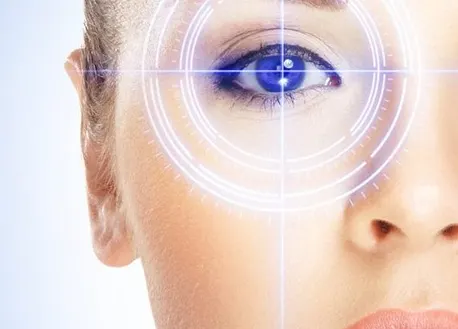
Wearing glasses or contact lenses every day can sometimes feel inconvenient, especially when travelling, working, exercising or participating in sports. LASIK (Laser-Assisted In Situ Keratomileusis) is a refractive eye surgery that reshapes the cornea to correct certain vision problems and reduce dependence on corrective eyewear.
If you are considering best lasik eye surgery in mumbai, it is important to understand the procedure, eligibility requirements, available alternatives and possible risks before making a decision. At Smart Vision Eye Centre, Dr. Seema Behl provides ophthalmic consultations and refractive surgery services, helping patients understand which vision correction option may be appropriate for their eyes.
What Is LASIK Eye Surgery?
LASIK is a laser-based procedure used to correct refractive errors. These errors occur when the shape of the cornea or the overall optical system of the eye prevents light from focusing correctly on the retina.
LASIK can be used to treat:
- Myopia (nearsightedness): Difficulty seeing distant objects clearly.
- Hyperopia (farsightedness): Difficulty focusing on nearby objects.
- Astigmatism: Blurred or distorted vision caused by an irregular curvature of the cornea.
During conventional LASIK, the surgeon creates a thin flap in the cornea. A laser then reshapes the underlying corneal tissue according to the patient’s prescription. The flap is repositioned, and the cornea begins its healing process.
The objective is to improve how light focuses on the retina, helping the patient achieve clearer vision with less dependence on glasses or contact lenses.
Who Is a Suitable Candidate for LASIK?
LASIK is not suitable for everyone. A detailed eye examination is necessary to determine whether the procedure is safe and likely to provide a useful visual outcome.
Common eligibility considerations include:
- Being at least 18 years old, with many surgeons preferring a more stable prescription after age 21.
- Having a stable glasses or contact lens prescription, generally for at least 12 months.
- Having adequate corneal thickness and a healthy corneal shape.
- Having a refractive error within the range that can be corrected safely.
- Having generally healthy eyes without certain active eye conditions.
Patients with severe dry eye, corneal disorders, uncontrolled eye disease or unstable prescriptions may not be suitable candidates. Pregnancy and breastfeeding can also affect prescription stability.
A pre-operative assessment helps the ophthalmologist evaluate these factors before recommending surgery.
Tests Before LASIK Surgery
Pre-operative investigations are essential because LASIK changes the shape of the cornea. The surgeon needs accurate measurements to plan the procedure and assess potential risks.
Depending on the patient’s condition, the evaluation may include:
1. Refraction test: Measures the existing prescription and identifies the refractive error.
2. Corneal topography: Maps the corneal surface to identify irregularities and assess its shape.
3. Corneal thickness measurement: Determines whether sufficient corneal tissue is available for safe treatment.
4. Tear-film assessment: Checks for dry eye, which may affect comfort and recovery.
5. Detailed eye examination: Evaluates overall eye health and checks for conditions that could affect surgical suitability.
Contact lens users may be asked to stop wearing their lenses for a period before testing, as lenses can temporarily alter corneal measurements. The ophthalmologist will provide specific instructions.
Different Types of Laser Vision Correction
LASIK is one of several refractive procedures. The most appropriate option depends on the patient’s prescription, corneal measurements, lifestyle and eye health.
1. Conventional LASIK
A thin corneal flap is created, and an excimer laser reshapes the tissue underneath. The flap is repositioned after treatment. Many patients experience relatively quick visual recovery.
2. Femto-LASIK or Bladeless LASIK
A femtosecond laser creates the corneal flap instead of a mechanical blade. This allows the surgeon to plan flap creation with laser-based precision.
3. Contoura Vision
Contoura Vision uses detailed corneal mapping to guide personalised treatment. It may be considered for selected patients whose corneal characteristics make topography-guided correction appropriate.
4. PRK (Photorefractive Keratectomy)
PRK reshapes the cornea without creating a flap. The surface layer of the cornea is removed before laser treatment. It may be considered for some patients with thinner corneas, although recovery generally takes longer than LASIK.
5. SMILE
Small Incision Lenticule Extraction uses a femtosecond laser to create a small piece of tissue within the cornea, which is removed through a small incision. It is a flapless procedure used primarily for selected cases of myopia and astigmatism.
6. Implantable Collamer Lens (ICL)
ICL involves placing a corrective lens inside the eye without removing the natural lens. It may be an alternative for patients who are not suitable for corneal laser procedures.
These procedures are not interchangeable. The ophthalmologist will explain the benefits, limitations and risks of each suitable option.
Why Consult Dr. Seema Behl at Smart Vision Eye Centre?
Dr. Seema Behl is the Medical Director of Smart Vision Eye Centre and a consultant eye surgeon with more than 30 years of experience in ophthalmology. She holds MBBS and MS degrees in Ophthalmology from the Institute of Medical Sciences, Banaras Hindu University (BHU), Varanasi.
She completed specialised training in general ophthalmology, microsurgery and phacoemulsification at Aravind Eye Hospital, Madurai, and undertook an intensive LASIK course in 2004. Her professional expertise includes cataract surgery, phacoemulsification, microsurgery, LASIK and refractive surgery, glaucoma and general ophthalmology.
Before establishing Smart Vision Eye Centre, Dr. Behl worked at several reputed eye-care institutions. Her professional experience includes Bombay City Eye Institute, Shroff Eye Hospital and Paras Hospital, as well as a significant tenure at Kokilaben Dhirubhai Ambani Hospital, where she contributed to establishing the ophthalmology department and its clinical protocols.
Patients searching for a Top Eye Doctor in Mumbai can consult Dr. Behl for a detailed eye assessment and guidance on suitable vision correction options.
Smart Vision Eye Centre: Clinic Environment and Facilities
Smart Vision Eye Centre is an Ophthalmologist Clinic in Andheri East, Mumbai, established with the aim of making quality eye care accessible.
The clinic offers a well-designed infrastructure, parking facilities and diagnostic and operative equipment to support comprehensive eye examinations and treatment planning.
Its listed equipment includes:
- Carl Zeiss slit lamp.
- Topcon autorefractometer and lensometer.
- Digital visual acuity chart.
- Heine’s direct and indirect ophthalmoscopes.
- Retinoscope.
- Biomed A-scan.
- Modular steel operation theatre.
- Zeiss operating microscope.
- Legion Vision System for phacoemulsification.
- Topcon 3D OCT for retinal and glaucoma evaluation.
These facilities support different aspects of ophthalmic assessment and surgical care. The specific investigations and equipment used for an individual LASIK evaluation depend on the patient’s clinical requirements.
What to Expect During LASIK and Recovery?
LASIK is generally performed as a day-care procedure using anaesthetic eye drops. The surgeon positions the patient under the laser system, creates the corneal flap and reshapes the underlying tissue according to the planned correction. The flap is then repositioned.
The procedure is usually brief, although the complete visit includes preparation and post-operative checks.
Some patients notice improved vision within a short period, but visual recovery varies. Temporary dryness, irritation, glare, halos around lights or fluctuating vision may occur. These effects often improve, although some symptoms can persist.
Patients should:
- Use prescribed eye drops as directed.
- Avoid rubbing or pressing the eyes.
- Follow instructions about bathing, swimming, exercise and makeup.
- Attend scheduled follow-up examinations.
- Contact the treating doctor if they experience severe pain, sudden vision changes or worsening symptoms.
LASIK does not prevent age-related changes such as presbyopia, so reading glasses may still be needed later in life.
Benefits and Possible Risks of LASIK
For suitable candidates, LASIK can reduce dependence on glasses and contact lenses and offer convenience during everyday activities. However, results differ according to prescription, corneal characteristics and healing response.
Potential risks include dry eyes, glare, halos, under-correction, over-correction, infection, inflammation and other corneal complications. Some patients may require additional treatment or continue using glasses for certain activities.
A thorough consultation helps patients understand realistic expectations and decide whether the potential benefits outweigh the risks.
Schedule Your LASIK Consultation with Dr. Seema Behl
Considering laser vision correction? Book an eye examination at Smart Vision Eye Centre to understand your prescription, assess your eligibility and discuss suitable treatment options with Dr. Seema Behl.
Email ID : info@smartvisioneyecentre.com
Take an informed step towards clearer vision with a personalised consultation and expert ophthalmic guidance.
Frequently Asked Questions
1. Is LASIK eye surgery suitable for everyone?
No. Suitability depends on age, prescription stability, corneal thickness and shape, tear-film health and overall eye condition. A detailed pre-operative examination is essential.
2. How long does it take to recover after LASIK?
Many patients notice improved vision within a day or two, but complete visual stabilisation can take longer. Recovery varies, and follow-up appointments are important.
3. Is LASIK a permanent solution for glasses?
LASIK permanently reshapes the treated corneal tissue, but it cannot prevent future age-related vision changes. Some people may still need glasses for reading or other activities later.
4. What is the difference between LASIK and PRK?
LASIK involves creating a corneal flap before reshaping the underlying tissue. PRK treats the corneal surface without creating a flap. PRK may be suitable for selected patients who are not ideal LASIK candidates, but its recovery generally takes longer.