
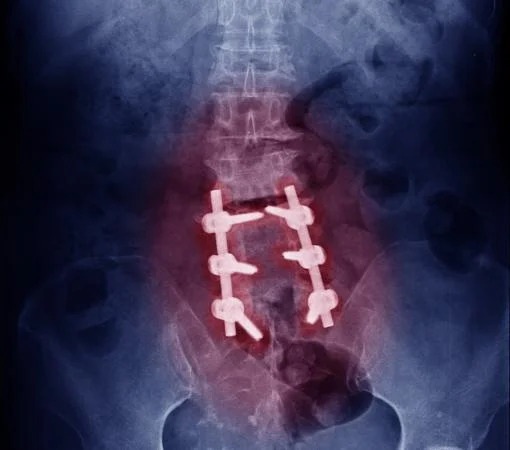
Persistent back pain, spinal instability and certain degenerative conditions can affect mobility, sleep and everyday activities. When medication, physiotherapy and other non-surgical treatments do not provide adequate relief, spinal fusion may be considered for selected patients. It is a surgical procedure that joins two or more vertebrae to create stability and reduce painful movement in the affected spinal segment.
At Synapse Spine, patients receive assessment and treatment planning from a multidisciplinary team of orthopaedic spine surgeons and neurosurgeons. Understanding the condition, available surgical approaches and expected recovery is important before making a decision about spinal fusion surgery in mumbai.
What Is Spinal Fusion Surgery?
Spinal fusion is an operation in which two or more vertebrae are joined using bone graft material, implants or a combination of both. The aim is to encourage the bones to grow together, creating a stable segment of the spine.
Depending on the patient’s condition, the surgeon may use screws, rods, cages or other specialised implants to support the vertebrae while fusion takes place.
The procedure may be recommended for selected cases involving:
- Degenerative disc disease causing significant symptoms and instability.
- Spondylolisthesis, where one vertebra slips forward over another.
- Spinal stenosis associated with instability.
- Certain spinal fractures.
- Spinal deformities requiring correction.
- Selected cases of recurrent disc problems or previous unsuccessful spinal surgery.
Spinal fusion is not necessary for every patient with back pain or a slipped disc. A specialist evaluates the symptoms, imaging findings and response to conservative treatment before considering surgery.
When Is Spinal Fusion Recommended?
The decision to perform fusion depends on the cause of symptoms and whether stabilising the affected spinal segment is likely to help.
Patients may be evaluated for fusion when they experience persistent back pain, nerve-related symptoms, weakness or difficulty with everyday movement. Imaging may reveal abnormal vertebral movement, disc degeneration, deformity or other structural problems.
Before recommending an operation, the treating team may consider non-surgical options such as:
- Physiotherapy and guided exercises.
- Medication for pain and inflammation.
- Lifestyle and activity modifications.
- Spinal injections in selected cases.
- Rehabilitation and posture guidance.
Surgery may be considered when these measures do not provide sufficient relief or when the spinal condition requires stabilisation. The expected benefits and limitations should be discussed individually.
Types of Lumbar Spinal Fusion Procedures
The surgical approach depends on the affected spinal level, anatomy, diagnosis and treatment goals. Synapse Spine describes several lumbar fusion techniques.
1. Posterior Lumbar Interbody Fusion (PLIF)
In PLIF, the surgeon approaches the spine through an incision in the back. The affected disc is removed, and a bone graft or spacer is placed between the vertebrae to encourage fusion. Screws and rods may be used to provide additional stability.
2. Transforaminal Lumbar Interbody Fusion (TLIF)
TLIF approaches the disc space from one side of the spinal canal. The surgeon removes the damaged disc material and places a bone graft or cage between the vertebrae. This approach may reduce the amount of muscle dissection and nerve handling required compared with some traditional techniques.
3. Oblique Lumbar Interbody Fusion (OLIF)
OLIF reaches the lumbar spine through an oblique approach from the side of the abdomen. The damaged disc is removed and replaced with a cage containing bone graft material. It may be appropriate for selected spinal levels and patient anatomies.
4. Anterior Lumbar Interbody Fusion (ALIF)
ALIF accesses the spine from the front of the body, usually through the lower abdominal region. The surgeon removes the affected disc and places a bone graft or implant to support fusion. This approach may be considered for specific lumbar levels, including L5-S1.
5. Extreme Lateral Interbody Fusion (XLIF)
XLIF approaches the spine through the side of the body using specialised instruments and imaging guidance. The damaged disc is replaced with a cage and bone graft material. It is suitable only for selected spinal levels and is not appropriate for every patient.
The surgeon will explain which technique is suitable, why it is being recommended and whether additional stabilisation is required.
How Is Spinal Fusion Surgery Performed?
Before surgery, the patient undergoes a detailed assessment that may include physical and neurological examinations, MRI scans, CT scans and X-rays. These investigations help the surgeon understand the spinal anatomy and plan the operation.
The procedure is generally performed under general anaesthesia. The surgeon accesses the affected spinal segment through the selected approach, removes the damaged disc or tissue when required, and prepares the area for fusion. Bone graft material or a specialised cage is placed between the vertebrae. Screws and rods may be added to maintain stability.
Over time, the bone graft encourages the vertebrae to grow together. The fusion process takes several months and varies from patient to patient.
Why Choose Synapse Spine for Spine Care?
Synapse Spine brings together orthopaedic spine surgeons and neurosurgeons with different areas of training and expertise. Its multidisciplinary model supports assessment of a wide range of spinal conditions, from degenerative disc disease and spinal stenosis to complex deformities and spinal tumours.
The team includes specialists such as:
- Dr. Nandan Marathe: An orthopaedic spine surgeon with MBBS and MS Orthopaedics from KEM Hospital, Mumbai. He has completed a clinical fellowship in complex spine surgery and deformity at the University of Toronto, with additional training in spinal tumours, minimally invasive and endoscopic spine surgery. His profile also lists AOSpine and Indo-American Spine Alliance fellowships.
- Dr. Anuj Bhide: A brain and spine surgeon with MBBS, MS General Surgery and MCh Neurosurgery qualifications. He is a gold medallist from Grant Medical College and JJ Hospitals and completed a fellowship in skull-base and vascular surgery at Fujita Health University, Japan.
- Dr. Ajit Mishra: A neurosurgeon with MBBS, MS General Surgery and MCh Neurosurgery qualifications from NIMHANS. His training includes a fellowship in neuro-oncology at Tata Memorial Hospital, with interests in spinal tumours and endoscopic spinal surgery.
- Dr. Medha Vyas: A neurosurgeon with MBBS and DNB Neurosurgery qualifications. Her profile describes training at Sir Ganga Ram Hospital and experience in brain and spine surgery, including minimally invasive procedures.
Patients looking for a spine specialist Doctor in Mumbai can consult the team to understand their diagnosis and treatment options. The appropriate surgeon and surgical approach depend on the individual condition and clinical assessment.
Clinic Environment and Patient-Centred Care
Synapse Spine operates through a network of consultation locations across Mumbai and surrounding areas, including Andheri, Bandra, Borivali, Malad, Mira Road, Vasai and Virar. The team combines orthopaedic and neurosurgical expertise with a focus on modern spine care and personalised treatment planning.
Its services cover diagnosis, non-surgical management, rehabilitation and surgical treatment. Patients can discuss imaging findings, treatment alternatives, surgical planning and post-operative care with the relevant specialist.
Those searching for a spine surgeon in mumbai can contact Synapse Spine to arrange an appointment at a suitable clinic location.
Recovery After Spinal Fusion Surgery
Recovery depends on the number of spinal levels treated, surgical approach, general health and individual healing. Patients may need a hospital stay after surgery, followed by a gradual return to daily activities.
The care team may recommend:
- Walking and gentle movement as advised.
- Following wound-care and medication instructions.
- Avoiding heavy lifting, bending or twisting during the initial recovery period.
- Attending scheduled clinical and imaging follow-ups.
- Starting physiotherapy or rehabilitation when recommended.
Bone fusion takes time, and patients should not expect the vertebrae to unite immediately after surgery. Follow-up is important to monitor healing and identify any complications.
Risks and Possible Complications
Like all major operations, spinal fusion carries risks. These may include infection, bleeding, blood clots, nerve injury, persistent pain, implant-related problems, failure of the bones to fuse and the need for further surgery. Some patients may also develop additional stress on spinal segments next to the fused area.
Your surgeon will explain the risks relevant to your health and proposed procedure, along with possible alternatives. Surgery should be considered only after an informed discussion.
Schedule Your Consultation with Synapse Spine
If persistent back pain, spinal instability or a diagnosed spinal condition is affecting your daily life, consult the Synapse Spine team for an expert assessment. The specialists can review your symptoms and imaging, explain non-surgical and surgical options, and help you understand whether fusion may be appropriate.
Synapse Spine has consultation centres across Mumbai and surrounding areas. Contact the team to confirm the most suitable location and appointment availability.
Take an informed step towards better spinal health with a personalised consultation and treatment plan from Synapse Spine.
Frequently Asked Questions
1. Is spinal fusion surgery necessary for every slipped disc?
No. Many slipped discs improve with medication, physiotherapy and other non-surgical treatments. Fusion is considered only in selected cases where instability or another structural problem makes stabilisation appropriate.
2. How long does spinal fusion take to heal?
Bone fusion generally takes several months, and the exact timeline varies. Recovery also depends on the number of levels treated, the surgical approach and the patient’s overall health.
3. Can spinal fusion be performed using minimally invasive techniques?
Selected patients may be suitable for minimally invasive approaches such as TLIF or other specialised techniques. Suitability depends on spinal anatomy, diagnosis and the surgeon’s assessment.
4. Will I be able to return to normal activities after spinal fusion?
Many patients gradually return to daily activities, but the timeline varies. Activity restrictions, rehabilitation and follow-up instructions should be followed to support recovery.