
Allergies in children can affect their daily activities, sleep, eating habits and overall quality of life. From frequent sneezing and skin rashes to food reactions, wheezing and breathing difficulties, allergic conditions can present in different ways and may require specialised medical attention. Identifying the underlying triggers and starting appropriate treatment early can help children manage symptoms and reduce the risk of complications.
Finding an experienced Pediatric allergy specialist in Mumbai is important for parents seeking reliable diagnosis and treatment for their child’s allergic conditions. Children may experience allergies due to environmental factors, certain foods, medications or genetic susceptibility. A detailed medical evaluation helps identify possible triggers and develop an age-appropriate treatment plan.
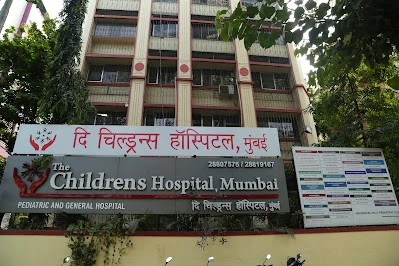
At The Children’s Hospital Mumbai, Dr. Allan Pereira provides specialised paediatric care, helping parents understand childhood health concerns and explore appropriate treatment options. With a child-focused approach, the hospital aims to provide a comfortable environment where young patients can receive medical attention and parents can discuss their concerns with confidence.
Common Allergies in Children That Require Specialised Care
Childhood allergies occur when the immune system reacts to substances that are generally harmless to most people. These substances are known as allergens. Depending on the trigger and the child’s immune response, symptoms may range from mild irritation to serious allergic reactions.
Some common conditions managed by paediatric allergy specialists include:
1. Food Allergies
Food allergies can develop in response to milk, eggs, peanuts, tree nuts, soy, wheat, fish and shellfish. Symptoms may include skin rashes, hives, vomiting, stomach discomfort, swelling and breathing difficulties. Severe reactions can lead to anaphylaxis, which requires immediate emergency medical attention.
2. Environmental Allergies
Children may react to dust mites, pollen, mould and pet dander. These allergens can cause allergic rhinitis, resulting in frequent sneezing, a runny nose, nasal congestion, itchy eyes and throat irritation.
3. Skin Allergies and Eczema
Atopic dermatitis and contact dermatitis are common allergic or inflammatory skin conditions in children. They can cause redness, itching, dryness and inflamed skin patches. Identifying potential irritants and maintaining an appropriate skincare routine can help manage symptoms.
4. Drug Allergies
Certain medications may trigger allergic reactions in children. Symptoms can include skin rashes, itching, swelling and, in severe cases, anaphylaxis. Parents should inform their doctor about any previous medication reactions.
5. Insect Sting Allergies
Some children experience allergic reactions after bee or wasp stings. Reactions may include swelling, redness, pain and itching. Severe reactions involving breathing difficulties or widespread symptoms require emergency treatment.
6. Allergy-Related Asthma
Asthma symptoms may be triggered by environmental allergens. Children can experience wheezing, coughing, chest tightness and shortness of breath. Proper assessment helps identify triggers and establish an appropriate asthma management plan.
How Are Allergies Diagnosed in Children?
Accurate diagnosis is essential for effective allergy management. A paediatric specialist considers the child’s medical history, symptoms, family history and possible exposure to allergens before recommending investigations.
Common diagnostic methods include:
- Skin Prick Testing: Small quantities of suspected allergens are introduced into the skin to check for an immediate allergic reaction.
- Blood Tests: Specific IgE blood tests help identify immune responses to selected allergens.
- Elimination Diets: Suspected food allergens may be temporarily removed under medical supervision to evaluate whether symptoms improve.
- Patch Testing: Used to identify delayed allergic reactions, particularly contact dermatitis.
- Food Challenge Tests: Selected foods are introduced in a controlled medical setting when clinically appropriate.
- Spirometry: A lung function test that helps evaluate breathing difficulties and suspected asthma in children who are old enough to perform it reliably.
Not every child requires all these tests. Investigations are selected according to symptoms and clinical findings.
Treatment Options for Childhood Allergies
Treatment depends on the type of allergy, its severity and the child’s age. The objective is to control symptoms, prevent exposure to known triggers and reduce the risk of serious reactions.
Common treatment approaches include:
Medications: Antihistamines may help manage sneezing, itching and hives. Other medications, including corticosteroids, may be prescribed depending on the allergic condition.
Nasal Sprays: Medicated nasal sprays may help control inflammation and congestion associated with allergic rhinitis.
Asthma Inhalers: Children with allergy-related asthma may require prescribed bronchodilators or inhaled corticosteroids to manage symptoms.
Allergen Avoidance: Parents receive guidance on reducing exposure to identified triggers, including dust mites, certain foods and environmental allergens.
Immunotherapy: In selected cases, allergy immunotherapy may be considered to gradually modify the immune response to specific allergens.
Emergency Management: Children at risk of severe allergic reactions may require an emergency action plan and prescribed adrenaline (epinephrine) auto-injectors. Parents and caregivers should be trained to recognise anaphylaxis and respond promptly.
Why Choose Dr. Allan Pereira at The Children’s Hospital Mumbai?
Dr. Allan Pereira is an experienced paediatrician with specialised training in allergy and clinical immunology. He has approximately 18 years of clinical experience and focuses on managing allergic conditions in infants, children and adolescents.
His educational qualifications include:
- MBBS from Maharashtra University of Health Sciences, Nashik, completed in 2006.
- MD in Pediatrics from Dr. D. Y. Patil University, completed in 2011.
- Fellowship in Allergy and Clinical Immunology.
His clinical expertise includes the assessment and management of food allergies, environmental allergies, skin-related allergic conditions and allergy-associated respiratory concerns. He also plays an important role in managing the Intensive Care Unit (ICU) and Neonatal Intensive Care Unit (NICU) at the hospital.
As a Pediatric allergy specialist in Mumbai, Dr. Allan Pereira emphasises individualised assessment, appropriate diagnostic investigations and treatment plans tailored to children’s medical needs. His experience in paediatric critical care also supports the hospital’s broader approach to managing children who require specialised medical attention.
A Child-Friendly Hospital Environment
The Children’s Hospital Mumbai, located in Malad West, provides comprehensive paediatric healthcare services under one roof. Its facilities include outpatient and inpatient services, a well-equipped NICU, PICU, operating theatres and diagnostic facilities.
The hospital focuses on family-centred care, with an environment designed around children’s healthcare requirements. Its multidisciplinary team includes paediatricians and specialists from several medical fields, supporting coordinated care when children need additional evaluation.
Parents looking for a Children’s Hospital in Mumbai can access paediatric consultations, specialised investigations and supportive medical services at the facility.
For families seeking a Pediatric allergy specialist in Mumbai, Dr. Allan Pereira offers the advantage of specialised allergy training combined with extensive paediatric clinical experience.
When Should Parents Consult a Paediatric Allergy Specialist?
Parents should consider a specialist consultation if their child experiences repeated allergic symptoms, unexplained skin rashes, persistent sneezing, recurring wheezing or suspected food reactions.
Immediate emergency care is necessary if a child develops difficulty breathing, throat or tongue swelling, collapse or other signs of a severe allergic reaction.
Early medical assessment helps identify potential triggers, prevent unnecessary dietary restrictions and establish an appropriate management plan. It also helps parents understand how to manage allergic episodes at home, school and other everyday settings.
Frequently Asked Questions
1. What are the common signs of allergies in children?
Common symptoms include sneezing, runny nose, itchy eyes, skin rashes, hives, vomiting, wheezing and breathing difficulties. Symptoms vary depending on the allergen and the child’s immune response.
2. Can children outgrow food allergies?
Some children may outgrow certain food allergies, such as milk and egg allergies, while others may continue to experience them into adulthood. Regular medical evaluation helps determine whether an allergy has resolved.
3. Which tests are used to diagnose childhood allergies?
Depending on the symptoms, a specialist may recommend skin prick testing, specific IgE blood tests, patch testing, supervised food challenges or spirometry. The appropriate test depends on the suspected allergy.
4. When should I consult Dr. Allan Pereira for my child’s allergies?
Consult Dr. Allan Pereira if your child experiences recurring allergic reactions, persistent respiratory symptoms, suspected food allergies or unexplained skin conditions. Seek emergency medical care immediately for signs of anaphylaxis or breathing difficulty.
Consult Dr. Allan Pereira for Expert Allergy Care
Is your child experiencing recurring allergies, skin rashes, food reactions or breathing difficulties? Consult Dr. Allan Pereira at The Children’s Hospital Mumbai for specialised paediatric allergy assessment and personalised treatment guidance.
Give your child access to experienced paediatric care and appropriate allergy management.
The Children’s Hospital Mumbai
📞 +91 9324394702 | +91 8976085869
📧 thechildrenshospitalmumbai@gmail.com
Get Directions to the Clinic – The Children’s Hospital Mumbai