
Bronchoscopic procedures play an important role in diagnosing and managing various respiratory conditions. When patients experience persistent cough, unexplained breathing difficulties, blood in sputum, or abnormal findings on chest imaging, a pulmonologist may recommend bronchoscopy to examine the airways and identify the underlying cause.
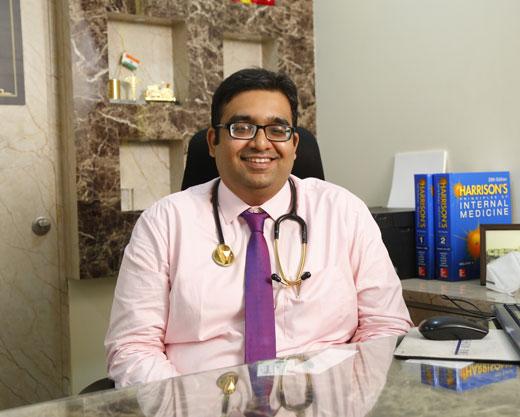
Finding an experienced specialist is essential for accurate diagnosis, appropriate treatment planning, and reassurance throughout the investigation. Dr. Parthiv Shah at Sparsh Super Speciality Lung Clinic, Borivali, Mumbai, provides respiratory care and evaluation for patients experiencing a range of lung and airway conditions.
If you are searching for a bronchoscopy doctor in mumbai, understanding the procedure, its benefits, indications, and the expertise required can help you make informed decisions about your respiratory health.
What Is Bronchoscopy?
Bronchoscopy is a diagnostic procedure that allows a doctor to examine the inside of the windpipe (trachea) and the larger airways of the lungs. It is commonly performed using a thin, flexible instrument called a bronchoscope, which has a camera and light at its tip.
The bronchoscope is usually inserted through the nose or mouth and gently guided into the airways. This allows the doctor to visualize the respiratory passages, identify abnormalities, and perform certain diagnostic procedures when needed.
Bronchoscopy may be recommended to investigate persistent respiratory symptoms, abnormal chest X-rays or CT scans, airway obstruction, infections, or suspected lung diseases.
When Is Bronchoscopy Recommended?
A pulmonologist may recommend bronchoscopy in several situations, including:
1. Persistent Cough
A cough that continues for several weeks despite treatment may require further investigation. Bronchoscopy can help evaluate the airways for inflammation, obstruction, foreign material, or other abnormalities.
2. Blood in Sputum
Hemoptysis, or coughing up blood, can occur due to infections, airway inflammation, bronchiectasis, or other serious lung conditions. Bronchoscopy may help identify the source of bleeding and guide further management.
3. Abnormal Chest Imaging
If a chest X-ray or CT scan reveals an unusual shadow, narrowing of the airway, suspected growth, or unexplained changes in the lungs, bronchoscopy may help the doctor investigate these findings.
4. Suspected Lung Infection
In selected patients with persistent, unusual, or difficult-to-diagnose respiratory infections, bronchoscopy can help collect samples from the respiratory tract for laboratory testing.
5. Breathing Difficulties or Airway Blockage
Bronchoscopy may be useful when there is suspicion of airway narrowing, obstruction, or an abnormality affecting normal airflow.
Types of Bronchoscopy
Bronchoscopy is performed using different techniques depending on the patient’s symptoms and the diagnostic requirements.
Flexible bronchoscopy: A thin, flexible bronchoscope is used to examine the airways. It is commonly used for diagnostic evaluation, collecting samples, and investigating lung abnormalities.
Rigid bronchoscopy: A rigid instrument is used in selected situations, particularly when specialized airway procedures, management of significant bleeding, or removal of certain airway obstructions are required.
The pulmonologist selects the appropriate procedure based on the patient’s condition, medical history, imaging results, and clinical needs.
How Is a Bronchoscopy Performed?
Bronchoscopy is generally performed in a medical facility equipped for respiratory procedures.
Before the procedure, the doctor reviews the patient’s medical history, medications, symptoms, and imaging results. Depending on the type of bronchoscopy, local anaesthesia and sedation may be administered to improve comfort.
The bronchoscope is carefully guided into the airways, allowing the pulmonologist to inspect the respiratory tract. If necessary, additional procedures may be performed, such as:
- Collecting mucus or fluid samples for laboratory analysis
- Performing a bronchial washing
- Taking a biopsy from suspicious tissue
- Evaluating airway narrowing or obstruction
After the procedure, patients are monitored until they are stable. The doctor provides instructions regarding eating, drinking, medication, and recovery.
Benefits of Bronchoscopy
Bronchoscopy offers several important diagnostic advantages:
- Direct visualization of the respiratory tract
- Identification of airway abnormalities
- Collection of samples for infection testing
- Biopsy of suspicious lesions when indicated
- Investigation of persistent respiratory symptoms
- Assistance in planning targeted treatment
By helping identify the underlying cause of lung-related symptoms, bronchoscopy can support more accurate diagnosis and appropriate management.
Meet Dr. Parthiv Shah at Sparsh Super Speciality Lung Clinic
Dr. Parthiv Shah is a pulmonologist and respiratory specialist who focuses on diagnosing and managing lung and airway conditions. His clinical approach includes evaluating respiratory symptoms, interpreting relevant investigations, and recommending appropriate diagnostic and therapeutic interventions.
At Sparsh Super Speciality Lung Clinic, patients can seek evaluation for respiratory concerns such as persistent cough, asthma, COPD, infections, sleep-related breathing problems, and other pulmonary conditions.
The clinic provides a specialized respiratory care environment where patients can undergo consultations, receive guidance regarding investigations, and understand their treatment plans. A patient-focused approach emphasizes clinical evaluation, appropriate testing, and personalized respiratory management.
Patients searching for a Best Pulmonologist in Mumbai can consider a consultation with Dr. Parthiv Shah for respiratory evaluation and guidance regarding diagnostic procedures such as bronchoscopy.
His practice also supports patients looking for an experienced Chest Physician in Borivali for ongoing lung health concerns, respiratory symptoms, and specialized pulmonary assessment.
Understanding the Risks and Recovery After Bronchoscopy
Bronchoscopy is generally considered a safe procedure when performed by trained specialists in an appropriate medical setting. However, like any medical procedure, it may involve certain risks.
Patients may experience temporary throat irritation, coughing, hoarseness, mild discomfort, or drowsiness following sedation. If a biopsy is performed, there may be a small risk of bleeding. Rare complications include infection, reduced oxygen levels, or pneumothorax (air leaking into the space around the lung).
Recovery depends on the type of bronchoscopy, whether sedation was used, and whether additional procedures such as biopsy were performed. Patients should follow all post-procedure instructions carefully and report symptoms such as worsening breathlessness, significant chest pain, or heavy bleeding immediately.
Expert Respiratory Care with Dr. Parthiv Shah
Experiencing persistent cough, breathing difficulty, recurrent chest infections, or abnormal chest scan results? Timely respiratory evaluation can help identify the cause and guide appropriate treatment.
Consult Dr. Parthiv Shah at Sparsh Super Speciality Lung Clinic for expert guidance, advanced respiratory assessment, and bronchoscopy evaluation when clinically indicated.
📍 SparshSuper Speciality Lung Clinic
Get professional guidance for your lung health and take the next step towards better breathing.
Frequently Asked Questions (FAQs)
1. Why would a doctor recommend bronchoscopy?
Bronchoscopy may be recommended to investigate persistent cough, coughing up blood, abnormal chest imaging, recurrent lung infections, airway obstruction, or suspected lung disease. It also allows doctors to collect tissue or fluid samples for further testing.
2. Is bronchoscopy a painful procedure?
Bronchoscopy is generally performed with local anaesthesia and sometimes sedation to minimize discomfort. Patients may experience coughing, pressure, or mild throat irritation, but the procedure is usually well tolerated.
3. How long does a bronchoscopy procedure take?
A bronchoscopy may take approximately 15–60 minutes, depending on the reason for the procedure and whether additional sample collection or interventions are required. Recovery and observation may take additional time.
4. How do I find an experienced bronchoscopy doctor in Mumbai?
Look for a qualified pulmonologist with specialized training in respiratory medicine, experience performing bronchoscopic procedures, and access to appropriate diagnostic facilities. Dr. Parthiv Shah at Sparsh Super Speciality Lung Clinic offers bronchoscopy and specialized respiratory evaluation in Borivali East, Mumbai.