
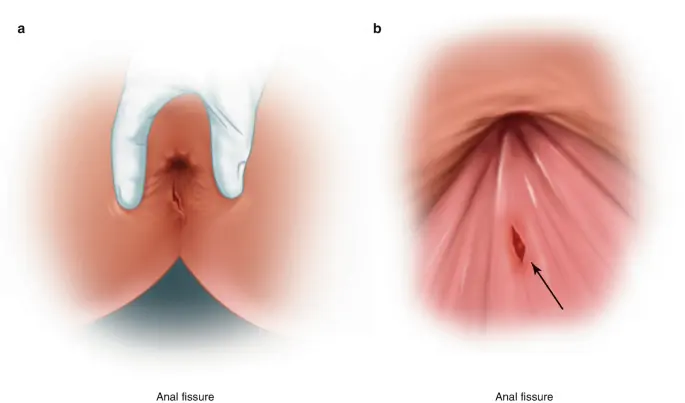
An anal fissure is a small tear in the lining of the anal canal that can cause intense pain, bleeding during bowel movements, and significant discomfort. Although it is a common condition, many people delay seeking treatment due to embarrassment, allowing the fissure to become chronic and more difficult to manage. Early diagnosis and appropriate care can help relieve symptoms, promote healing, and prevent recurrence.
If you are looking for Anal Fissure treatment Mumbai, consulting an experienced colorectal surgeon is essential. At Gadre Hospital, Dr. Chintamani Godbole offers comprehensive evaluation and personalized treatment plans for acute and chronic anal fissures, using both conservative and advanced surgical techniques when required.
Understanding an Anal Fissure
An anal fissure is a small cut or tear in the thin tissue lining the anal canal. It most commonly occurs due to trauma during the passage of hard stools, but it may also result from chronic diarrhea, inflammatory bowel disease, childbirth, or increased anal sphincter muscle tension.
Anal fissures can be classified as:
- Acute anal fissure – Present for a short duration and often heals with conservative treatment.
- Chronic anal fissure – Persists for more than six weeks and may require specialized medical or surgical intervention.
Prompt treatment improves healing and reduces the risk of chronic symptoms.
Anal Fissure Treatment Mumbai: When Should You Consult a Specialist?
While mild fissures may heal with dietary changes and medications, persistent symptoms should be evaluated by a specialist.
Consult a colorectal surgeon if you experience:
- Severe pain during bowel movements
- Bright red bleeding after passing stools
- Persistent anal pain lasting several hours
- Constipation with painful defecation
- Visible tear around the anus
- Recurrent fissures
- Difficulty sitting because of pain
- Symptoms lasting longer than a few weeks
Early consultation for Anal Fissure treatment Mumbai helps prevent chronic fissures and improves treatment outcomes.
Common Causes of Anal Fissures
Several factors can contribute to the development of an anal fissure, including:
- Chronic constipation
- Passing hard or large stools
- Chronic diarrhea
- Low-fiber diet
- Pregnancy and childbirth
- Inflammatory bowel disease
- Repeated straining during bowel movements
- Increased anal sphincter pressure
Identifying and addressing the underlying cause is important to prevent recurrence.
Symptoms of an Anal Fissure
Common symptoms include:
- Sharp pain during bowel movements
- Burning sensation after passing stools
- Bright red blood on toilet paper or stool
- Visible crack or tear near the anus
- Itching around the anal region
- Small skin tag near the fissure (in chronic cases)
- Fear of bowel movements due to pain
These symptoms can significantly affect daily comfort and quality of life.
How is an Anal Fissure Diagnosed?
Diagnosis is usually straightforward and includes:
Medical History
The doctor reviews symptoms, bowel habits, diet, and previous medical conditions.
Physical Examination
A careful examination of the anal area helps identify the fissure and assess its severity.
Additional Investigations
In selected cases, procedures such as anoscopy or colonoscopy may be recommended to rule out underlying colorectal diseases, particularly when symptoms are atypical or recurrent.
Treatment Options for Anal Fissures
Treatment depends on whether the fissure is acute or chronic.
Conservative Management
Many acute fissures heal with non-surgical treatment, including:
- High-fiber diet
- Increased water intake
- Stool softeners
- Warm sitz baths
- Topical medications to reduce sphincter spasm
- Pain-relieving medications
Botulinum Toxin Injection
In selected chronic cases, botulinum toxin may be used to relax the anal sphincter and promote healing.
Surgical Treatment
For fissures that fail to heal despite conservative therapy, Lateral Internal Sphincterotomy (LIS) is considered the gold-standard surgical treatment. This procedure reduces sphincter pressure, improves blood flow to the fissure, and promotes healing while relieving pain.
The choice of treatment depends on the patient’s condition, symptoms, and overall health.
Benefits of Early Treatment
Prompt management offers several advantages:
- Faster pain relief
- Improved healing
- Reduced bleeding
- Prevention of chronic fissures
- Lower risk of recurrence
- Better bowel habits
- Improved quality of life
Early intervention often helps patients avoid prolonged discomfort.
Possible Risks if Left Untreated
Untreated chronic fissures may lead to:
- Persistent severe pain
- Chronic bleeding
- Skin tag formation
- Muscle spasm
- Delayed healing
- Recurrent fissures
- Reduced quality of life
Seeking timely specialist care can help prevent these complications.
Approximate Cost of Anal Fissure Treatment
The cost of treatment varies depending on:
- Severity of the fissure
- Conservative versus surgical management
- Diagnostic investigations
- Hospital stay (if surgery is required)
- Individual treatment plan
Patients are advised to consult the treating surgeon for a personalized evaluation and treatment estimate.
Tips to Prevent Anal Fissures
Simple lifestyle changes can reduce the risk of fissures:
- Eat a high-fiber diet
- Drink adequate water daily
- Avoid prolonged straining during bowel movements
- Exercise regularly
- Respond promptly to the urge to pass stools
- Treat constipation early
- Maintain healthy bowel habits
These measures also help reduce the risk of recurrence after treatment.
About Dr. Chintamani Godbole
Dr. Chintamani Godbole is an experienced Colorectal Surgeon in Mumbai with advanced training in colorectal, gastrointestinal, laparoscopic, and minimally invasive surgery. He has extensive clinical experience in managing conditions affecting the colon, rectum, and anus using evidence-based surgical techniques and patient-centered treatment approaches.
His expertise includes the treatment of anal fissures, piles (hemorrhoids), fistulas, colorectal cancer, inflammatory bowel disease, rectal prolapse, diverticular disease, and complex colorectal disorders. He is committed to providing individualized care, emphasizing accurate diagnosis, minimally invasive treatment whenever appropriate, and comprehensive postoperative support.
Patients seeking expert Colorectal Surgery in Mumbai benefit from his meticulous surgical skills, compassionate approach, and focus on achieving long-term relief while preserving normal bowel function.
At Gadre Hospital, patients receive care in a modern, well-equipped, and patient-friendly environment with access to advanced diagnostic facilities and contemporary surgical technology. The multidisciplinary team ensures comprehensive evaluation, safe treatment, and coordinated follow-up for optimal patient outcomes.
Why Choose Dr. Chintamani Godbole?
Patients choose Dr. Chintamani Godbole for:
- Expertise in colorectal and anorectal surgery
- Advanced minimally invasive techniques
- Personalized treatment plans
- Comprehensive evaluation and diagnosis
- Focus on preserving bowel function
- Compassionate patient care
- Modern surgical infrastructure
- Dedicated postoperative follow-up
Book Your Consultation Today
If you are experiencing persistent anal pain, bleeding during bowel movements, or symptoms of an anal fissure, consult Dr. Chintamani Godbole for expert evaluation and personalized treatment.
📞+91 8108791470 | ☎️ +91 8451865944 (In case of emergency)
📧 drchintamanigodbole@gmail.com
📍Get Directions to the Clinic – Gadre Hospital, Mumbai and schedule your consultation today. Timely diagnosis and appropriate treatment can relieve discomfort, promote healing, and help you return to your normal daily activities with confidence.
Frequently Asked Questions
1. Can an anal fissure heal without surgery?
Yes. Many acute anal fissures heal with dietary modifications, medications, sitz baths, and proper bowel management. Chronic fissures may require additional treatment.
2. When is surgery recommended for an anal fissure?
Surgery is generally considered when symptoms persist despite conservative treatment or when the fissure becomes chronic and significantly affects quality of life.
3. How long does recovery take after fissure surgery?
Most patients experience significant pain relief within a few days and can resume normal activities within one to two weeks, depending on individual recovery.
4. Can anal fissures recur after treatment?
Yes, recurrence is possible, especially if constipation or poor bowel habits continue. Maintaining a high-fiber diet, adequate hydration, and healthy bowel habits helps reduce this risk.