
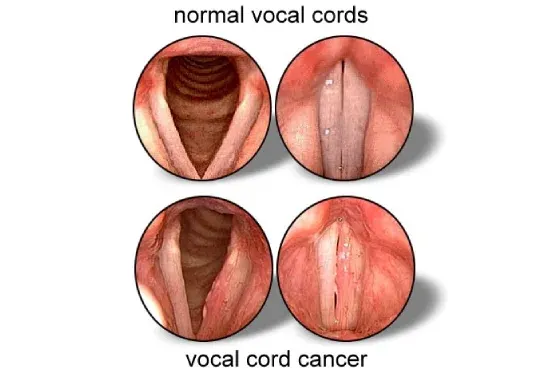
Your voice plays an important role in communication, professional activities, and everyday life. Persistent hoarseness, difficulty speaking, or unexplained throat discomfort may sometimes indicate an underlying medical condition that requires attention. Although these symptoms are often caused by infections or vocal strain, they can occasionally be associated with vocal cord cancer.
Recognising warning signs early and consulting an experienced ENT specialist can help ensure timely diagnosis and appropriate treatment. Patients looking for the best vocal cord cancer doctor in mumbai should consider a specialist with expertise in laryngology, vocal cord disorders, diagnostic evaluation, and surgical management of selected throat conditions.
Dr. Shama Kovale, an experienced ENT specialist at Kokilaben Dhirubhai Ambani Hospital and Medical Research Institute, Mumbai, provides evaluation and treatment for voice, throat, and laryngeal conditions. Her expertise in microlaryngoscopy and voice-related disorders supports the assessment and management of vocal cord abnormalities.
What Is Vocal Cord Cancer?
Vocal cord cancer is a type of laryngeal cancer that develops when abnormal cells grow in the vocal folds, which are located inside the voice box. These structures vibrate as air passes through them, allowing us to produce sound.
Cancer affecting the vocal cords can interfere with normal vibration and lead to changes in voice quality. Depending on the location, size, and stage of the tumour, other symptoms may develop as well.
Vocal cord cancer is not the same as a benign vocal cord polyp, nodule, or cyst. Several non-cancerous conditions can also cause persistent hoarseness. Therefore, a medical examination is essential to determine the underlying cause rather than relying on symptoms alone.
Common Symptoms of Vocal Cord Cancer
Early vocal cord cancer may cause subtle symptoms that resemble common throat problems. Persistent or worsening symptoms should not be ignored.
1. Persistent Hoarseness
A rough, breathy, weak, or unusually strained voice is one of the most common warning signs of vocal cord cancer. Hoarseness lasting longer than two to three weeks warrants medical evaluation, particularly in people who smoke or use tobacco.
2. Changes in Voice Quality
Some individuals notice that their voice becomes weaker, their speaking range changes, or they experience increased effort while talking. Professional voice users, including teachers, singers, and public speakers, may notice these changes early.
3. Difficulty or Pain While Swallowing
Discomfort during swallowing may occur when a tumour or another condition affects the larynx or surrounding structures. Persistent swallowing difficulties should be evaluated by a healthcare professional.
4. Persistent Throat Pain or Ear Pain
Unexplained throat discomfort or pain that radiates towards the ear can sometimes be associated with conditions affecting the throat and larynx. These symptoms do not automatically indicate cancer but should be investigated if they persist.
5. A Lump in the Neck
A new or persistent neck lump may indicate an enlarged lymph node or another underlying condition. It requires medical assessment, particularly when accompanied by voice changes or swallowing difficulties.
Other possible symptoms include coughing, coughing up blood, unexplained weight loss, and breathing difficulties.
Seek emergency medical care if you experience significant or rapidly worsening breathing difficulty.
What Causes Vocal Cord Cancer?
Vocal cord cancer can develop due to a combination of risk factors. Having one or more risk factors does not mean a person will develop cancer, and the disease can also occur in people without recognised risk factors.
Common risk factors include:
- Tobacco use: Smoking and other forms of tobacco exposure are important risk factors for laryngeal cancer.
- Alcohol consumption: Heavy alcohol use increases risk, particularly when combined with tobacco.
- Increasing age: The condition is more common in older adults, although younger individuals can also be affected.
- Previous head and neck cancer: A history of certain cancers may increase the risk of developing another cancer in this region.
- Occupational and environmental exposures: Some workplace exposures may contribute to risk depending on the substance and duration of exposure.
Chronic reflux and vocal strain can cause throat irritation or voice symptoms, but they should not automatically be assumed to cause vocal cord cancer. Persistent symptoms require appropriate evaluation.
How Is Vocal Cord Cancer Diagnosed?
Accurate diagnosis is essential because treatment depends on the type, location, and stage of the cancer.
Clinical Consultation
The doctor reviews your symptoms, medical history, tobacco exposure, previous treatments, and any associated swallowing or breathing problems. This helps determine which investigations may be necessary.
Flexible Laryngoscopy
A thin, flexible endoscope may be passed through the nose to examine the throat and vocal cords. This allows the specialist to assess vocal fold movement and identify suspicious lesions or other abnormalities.
Microlaryngoscopy and Biopsy
If a suspicious lesion is identified, microlaryngoscopy may be recommended to examine the vocal cords more closely. A tissue sample can be collected for laboratory examination.
A biopsy is generally required to confirm whether a suspicious lesion is cancerous. Visual examination alone cannot reliably establish the diagnosis.
Imaging and Cancer Staging
Depending on the biopsy findings, the doctor may recommend CT, MRI, or other investigations to assess the extent of the disease. Cancer staging helps determine whether the tumour is confined to the vocal cords or has spread to surrounding tissues or lymph nodes.
Vocal Cord Cancer Treatment Options
Treatment is personalised according to the cancer stage, tumour location, overall health, and the patient’s voice and swallowing needs. An appropriate treatment plan may involve one or more of the following options.
1. Laser-Assisted Microlaryngeal Surgery
Selected early-stage vocal cord cancers may be treated through transoral laser microsurgery. The surgeon accesses the lesion through the mouth using specialised instruments and a microscope, avoiding an external neck incision in many cases.
The goal is to remove the cancer while preserving as much healthy tissue and vocal function as possible. The suitability of this approach depends on the tumour’s characteristics.
2. Other Surgical Procedures
Some tumours require a different surgical approach depending on their size, depth, location, and spread. The recommended procedure is determined after careful evaluation and staging.
3. Radiation Therapy
Radiation therapy may be recommended for selected vocal cord cancers. It can be an alternative to surgery in some cases or form part of treatment for more advanced disease.
The decision between surgery and radiation depends on the cancer, expected outcomes, potential side effects, and the patient’s preferences.
4. Multidisciplinary Cancer Care
More advanced cancers may require coordinated care involving ENT surgeons, radiation oncologists, medical oncologists, radiologists, pathologists, and rehabilitation professionals.
Treatment planning considers cancer control alongside voice quality, swallowing, breathing, and overall quality of life.
5. Voice Rehabilitation and Follow-Up
After treatment, some patients benefit from voice therapy and rehabilitation. Regular follow-up appointments help monitor healing, evaluate voice function, and identify any signs of recurrence.
No single treatment is suitable for every patient. Early diagnosis can expand the available treatment options, but outcomes depend on several individual factors.
Why Consult Dr. Shama Kovale at Kokilaben Dhirubhai Ambani Hospital?
Dr. Shama Kovale is an experienced ENT specialist with over 23 years of clinical and surgical experience in ear, nose, throat, voice, and laryngeal conditions.
Her qualifications include:
- MBBS: Bachelor of Medicine and Bachelor of Surgery.
- DLO: Diploma in Otorhinolaryngology.
- MS in ENT: Master of Surgery in Ear, Nose, and Throat from B.Y.L. Nair Hospital, Mumbai.
Her additional training includes advanced education in voice and swallowing disorders at the University of California, Davis, USA, specialised laryngology training, and cochlear implant training at P.D. Hinduja Hospital, Mumbai.
Dr. Kovale’s clinical expertise includes microlaryngoscopy, laser-assisted vocal cord procedures, coblation-assisted procedures, voice disorders, swallowing difficulties, and other complex ENT conditions.
She practises at Kokilaben Dhirubhai Ambani Hospital and Medical Research Institute in Andheri West, Mumbai. The hospital setting supports specialist evaluation and coordination of investigations and treatment according to individual needs.
Patients seeking the Best ENT in Mumbai for persistent voice changes or suspected vocal cord abnormalities can consider a consultation with an experienced ENT specialist. People searching for ENT Specialists Near Me in Mumbai should prioritise appropriate qualifications, relevant clinical expertise, and access to necessary diagnostic and treatment services.
Dr. Kovale’s focus on voice and laryngeal conditions makes her a relevant specialist to consult when further assessment of a vocal cord lesion is needed.
When Should You Consult a Vocal Cord Specialist?
Arrange an ENT consultation if you experience:
- Hoarseness that persists for more than two to three weeks.
- Progressive changes in voice quality.
- Pain or difficulty while swallowing.
- A persistent lump in the neck.
- Unexplained throat or ear pain.
- Coughing up blood or unexplained weight loss.
Do not wait for symptoms to become severe before seeking assessment. Persistent hoarseness does not necessarily mean cancer, but timely examination can help distinguish benign conditions from more serious problems.
Schedule Your Consultation Today
If you have persistent hoarseness, unexplained throat discomfort, or concerns about a vocal cord lesion, a specialist evaluation can help identify the cause and determine the next steps.
Consult Dr. Shama Kovale at Kokilaben Dhirubhai Ambani Hospital for timely evaluation of voice, throat, and vocal cord concerns.
Give Us a Ring: +91-91528 50769
Email: drshamakovaleent@gmail.com
Contact the clinic to schedule an appointment and discuss your symptoms with an ENT specialist.
Frequently Asked Questions
1. What are the early signs of vocal cord cancer?
Persistent hoarseness is a common early symptom. Other possible signs include changes in voice quality, throat discomfort, difficulty swallowing, and a neck lump. These symptoms can also occur with non-cancerous conditions, so an ENT evaluation is important.
2. Can vocal cord cancer be treated without open surgery?
Yes. Selected early-stage cancers may be treated using transoral laser microsurgery or radiation therapy, depending on the tumour and the patient’s circumstances. Treatment options should be discussed after diagnosis and staging.
3. Does every person with persistent hoarseness have vocal cord cancer?
No. Hoarseness can result from infections, vocal strain, reflux, benign vocal cord lesions, and other conditions. However, hoarseness that lasts more than two to three weeks should be assessed by a healthcare professional, particularly if risk factors or other warning signs are present.
4. Who should I consult for vocal cord cancer evaluation in Mumbai?
An ENT specialist with expertise in laryngology and vocal cord disorders can assess persistent voice changes and arrange appropriate investigations. Dr. Shama Kovale consults at Kokilaben Dhirubhai Ambani Hospital and Medical Research Institute in Andheri West, Mumbai.