
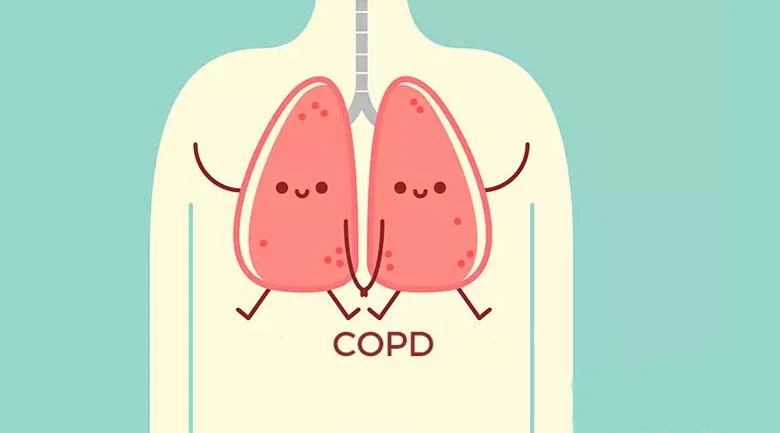
Chronic Obstructive Pulmonary Disease (COPD) is a progressive lung condition that can make breathing difficult and affect a person’s ability to perform everyday activities. Persistent coughing, breathlessness, chest tightness, and excessive mucus production are common symptoms that may gradually worsen without proper medical care. Early diagnosis, appropriate treatment, and long-term monitoring can help patients manage symptoms and maintain a better quality of life.
If you are experiencing breathing difficulties or persistent respiratory symptoms, consulting an experienced COPD doctor in Borivali can help you understand your condition and receive a personalized treatment plan. Dr. Parthiv Shah at Sparsh Super Speciality Lung Clinic provides specialized respiratory care for patients with COPD, asthma, and other lung-related conditions.
Understanding COPD and Its Impact on Lung Health
COPD is a chronic respiratory disease that causes airflow obstruction, making it difficult to breathe normally. It commonly includes conditions such as emphysema and chronic bronchitis. The disease may develop gradually, and symptoms can become more noticeable over time.
Smoking is one of the major risk factors for COPD, although prolonged exposure to air pollution, occupational dust, chemical fumes, and other environmental irritants may also contribute to lung damage.
Common symptoms of COPD include:
- Persistent cough, sometimes with mucus
- Shortness of breath, particularly during physical activity
- Wheezing or noisy breathing
- Chest tightness
- Frequent respiratory infections
- Fatigue and reduced stamina
People experiencing these symptoms should seek medical evaluation, particularly if breathlessness is interfering with daily activities. Early assessment can help identify the cause and guide appropriate management.
Why Early COPD Diagnosis Matters
COPD can affect lung function progressively, but appropriate medical care can help control symptoms and reduce the risk of complications. Early diagnosis allows patients to receive treatment, understand triggers, and adopt lifestyle changes that support respiratory health.
A pulmonologist may recommend spirometry, a lung function test that measures airflow and helps evaluate airway obstruction. Additional investigations may be advised depending on symptoms, medical history, and examination findings.
A comprehensive COPD evaluation may include:
- Detailed assessment of breathing symptoms
- Smoking and environmental exposure history
- Spirometry and lung function testing
- Oxygen level assessment
- Evaluation of exacerbations and respiratory infections
- Review of medications and inhaler technique
Regular follow-up is important because COPD management may need adjustments based on symptoms, lung function, and response to treatment.
Meet Dr. Parthiv Shah – Respiratory Specialist in Borivali
Dr. Parthiv Shah is a pulmonologist specializing in the diagnosis and management of respiratory and lung diseases. His clinical practice focuses on evaluating breathing-related symptoms, identifying underlying lung conditions, and providing individualized treatment and long-term care.
At Sparsh Super Speciality Lung Clinic, Dr. Parthiv Shah evaluates patients with COPD, asthma, chronic cough, respiratory infections, allergies, and other pulmonary conditions. His approach involves understanding the patient’s symptoms, medical history, lifestyle, and risk factors before recommending appropriate treatment.
Patients looking for a Best Pulmonologist in Mumbai can seek consultation for persistent cough, breathlessness, wheezing, suspected COPD, and other respiratory concerns.
COPD Treatment and Long-Term Management
COPD treatment is focused on relieving symptoms, improving breathing, maintaining activity levels, and reducing exacerbations. The treatment plan depends on disease severity, symptoms, lung function, and the patient’s overall health.
1. Inhaler-Based Treatment
Bronchodilator inhalers are commonly prescribed to help relax airway muscles and improve airflow. Depending on the patient’s condition, the pulmonologist may recommend short-acting or long-acting inhalers, sometimes in combination with other medications.
Correct inhaler technique is essential for medication effectiveness. Patients may require regular guidance and review to ensure that their inhalers are being used properly.
2. Smoking Cessation
Stopping smoking is one of the most important steps in managing COPD. Avoiding tobacco smoke can help reduce further lung irritation and support respiratory health. Patients may benefit from medical guidance, counselling, and structured smoking cessation support.
3. Pulmonary Rehabilitation
Pulmonary rehabilitation may include supervised exercise, breathing techniques, education, and strategies to improve endurance. It can help suitable patients manage breathlessness and maintain their daily activity levels.
4. Preventing Respiratory Infections
Respiratory infections may trigger COPD flare-ups. Patients should follow their physician’s recommendations regarding vaccinations, infection prevention, and early treatment of respiratory symptoms.
5. Oxygen Therapy
Oxygen therapy may be recommended for patients with persistently low oxygen levels. It should be used only following proper medical assessment and prescription.
When Should You Consult a COPD Specialist?
You should consider consulting a pulmonologist if you experience persistent cough, increased mucus production, breathlessness during walking, recurring chest infections, wheezing, or difficulty performing routine activities.
Seek urgent medical attention if you experience severe breathlessness at rest, bluish lips, confusion, sudden worsening of breathing, or chest pain.
Early consultation can help identify COPD or other respiratory conditions and establish a suitable treatment and monitoring plan.
Specialized Lung Care at Sparsh Super Speciality Lung Clinic
Sparsh Super Speciality Lung Clinic provides a dedicated setting for patients seeking evaluation and management of respiratory conditions. Patients can consult for chronic lung diseases, breathing difficulties, persistent cough, asthma, COPD, and other pulmonary concerns.
The clinic emphasizes medical evaluation, personalized care, and guidance on managing respiratory symptoms. Patients can discuss their concerns, understand the role of investigations, review treatment options, and receive recommendations for long-term lung health.
If you are looking for a Chest Physician in Borivali, Dr. Parthiv Shah offers consultation for respiratory conditions with an emphasis on accurate diagnosis, treatment planning, and ongoing care.
Take Control of Your Breathing and Lung Health
COPD may be a chronic condition, but appropriate medical care and lifestyle changes can help patients manage symptoms and maintain independence. Avoiding smoking, following prescribed treatment, staying physically active within your limits, and attending regular follow-ups are important steps towards better respiratory health.
If you have persistent breathlessness, chronic cough, or other symptoms of COPD, consult Dr. Parthiv Shah at SparshSuper Speciality Lung Clinic, Borivali East, for an evaluation and personalized respiratory care plan.
Frequently Asked Questions
1. What are the early symptoms of COPD?
Early symptoms may include persistent cough, increased mucus production, breathlessness during physical activity, wheezing, and reduced exercise tolerance. Symptoms may develop gradually, so medical assessment is recommended if they persist.
2. Can COPD be cured permanently?
COPD is generally a chronic condition that cannot be completely reversed. However, appropriate treatment, smoking cessation, inhalers, pulmonary rehabilitation, and regular monitoring can help manage symptoms and improve quality of life.
3. Which tests are used to diagnose COPD?
Spirometry is one of the primary tests used to diagnose COPD by measuring airflow obstruction. Depending on the patient’s symptoms, a doctor may also recommend oxygen level measurements, chest imaging, or other investigations.
4. When should I visit Dr. Parthiv Shah for COPD?
Consult Dr. Parthiv Shah if you have persistent cough, wheezing, breathlessness, recurring respiratory infections, or difficulty with routine activities. Early evaluation can help establish a diagnosis and guide appropriate treatment.