
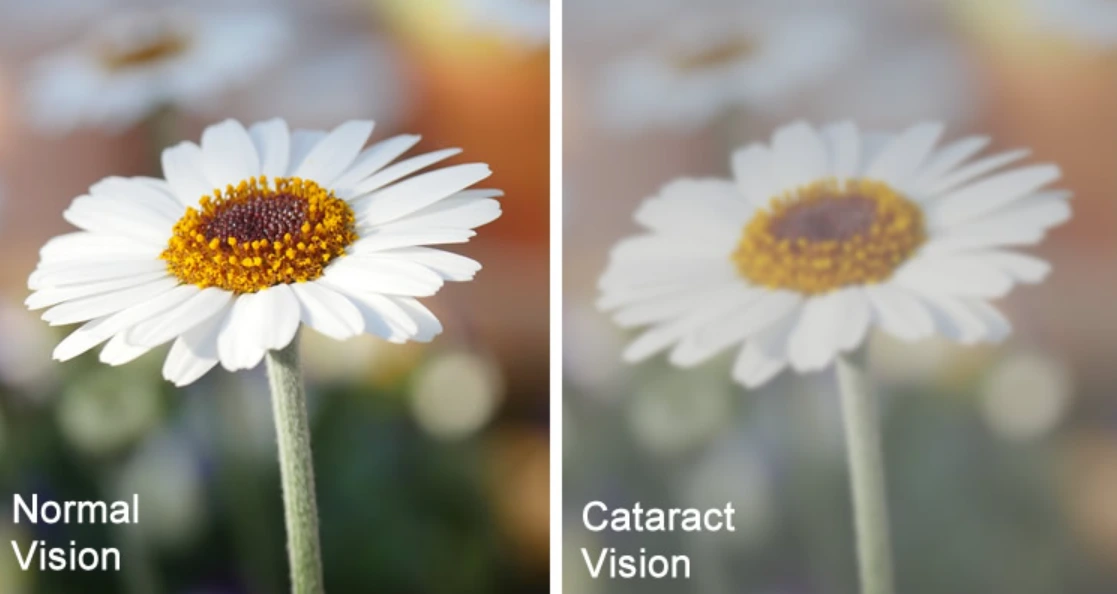
Cataract is one of the most common causes of gradual vision impairment, particularly with increasing age. It develops when the natural lens of the eye becomes cloudy, resulting in blurred vision, glare, difficulty seeing at night and reduced visual clarity. For patients considering surgery, understanding the Cost of Cataract Surgery in Mumbai is an important part of planning treatment. However, the final expense can vary significantly depending on the surgical technique, type of intraocular lens (IOL), surgeon’s expertise and facility where the procedure is performed.
At Smart Vision Eye Centre, Dr. Seema Behl and her team provide cataract evaluation, diagnostic testing and surgical guidance with an emphasis on transparent communication and personalised care. The centre uses modern diagnostic and operative facilities and offers different lens options depending on the patient’s visual requirements and clinical condition.
Cost of Cataract Surgery in Mumbai: What Determines the Price?
There is no single fixed price for cataract surgery because each patient’s requirements are different. The major factors influencing the overall cost include the surgical technique, surgeon’s experience, facility, diagnostic requirements and type of lens selected.
1. Surgical Technique
Phacoemulsification is widely used as a modern cataract surgery technique. It uses ultrasound energy to break up the cloudy lens, which is then removed through a small incision. A foldable artificial lens is subsequently implanted.
Smart Vision Eye Centre also notes that other approaches, including femtosecond laser-assisted procedures, small-incision cataract surgery and extracapsular surgery, may be considered in selected cases. The appropriate method depends on the patient’s eye condition and surgical requirements.
2. Choice of Intraocular Lens
The IOL implanted after cataract removal is another major factor affecting the treatment cost. Different lenses are designed to address different visual requirements.
Monofocal lenses generally provide clear vision at one primary distance, although glasses may still be required for some activities.
Aspheric lenses are designed to provide enhanced optical quality and may offer improved contrast and vision in certain conditions.
Toric lenses can help correct astigmatism or cylindrical power.
Multifocal lenses are designed to provide vision at multiple distances and can reduce dependence on reading glasses for suitable patients.
Extended depth of focus (EDOF) lenses are another premium option that can provide an extended range of functional vision.
Because premium lenses can cost more than standard options, the lens should be selected after discussing the patient’s lifestyle, eye measurements, expectations and visual priorities with the ophthalmologist.
3. Surgeon’s Experience and Expertise
The surgeon’s qualifications and experience can also influence the overall surgical fee. Cataract surgery requires detailed pre-operative assessment, accurate IOL power calculation, appropriate surgical technique and post-operative monitoring.
When comparing Cost of Cataract Surgery in Mumbai, patients should therefore consider the surgeon’s experience and expertise rather than selecting a provider solely on the basis of the lowest quoted price.
4. Clinic and Facility
The location and infrastructure of the eye-care facility can also affect the total expense. Modern diagnostic equipment, operating-room infrastructure, technology and the level of support provided before and after surgery may contribute to the overall cost.
Smart Vision Eye Centre is located in Andheri East and provides diagnostic and operative facilities including a Carl Zeiss slit lamp, Topcon autorefractometer, Biomed A-scan, Zeiss operating microscope, Legion Vision System for phacoemulsification and Topcon 3D OCT technology.
Why Is Phacoemulsification Commonly Used?
Phacoemulsification has become a widely preferred approach for cataract surgery. The technique involves making a small incision, using ultrasound energy to fragment the cloudy lens and removing the fragments before implanting a foldable IOL.
Small-incision surgery can often be performed without sutures, and modern cataract surgery may allow patients to return to routine activities relatively quickly. Smart Vision Eye Centre states that many patients can resume activities such as reading, watching television and office duties within approximately two to three days, although recovery varies according to the individual.
The procedure is generally performed as an outpatient surgery. Anaesthesia is commonly provided using numbing eye drops, while an injection or other form of anaesthesia may be required for selected complicated or hard cataract cases.
How to Choose the Right Cataract Lens?
Choosing an IOL is not simply a matter of selecting the most expensive lens. The appropriate lens depends on the health of the eye, corneal measurements, lifestyle and desired visual outcome.
A patient who primarily wants clear distance vision may be comfortable with a monofocal IOL. Someone who wants to reduce dependence on glasses and meets the necessary clinical criteria may consider a multifocal or EDOF lens. A patient with astigmatism may benefit from a toric lens.
A detailed eye examination and discussion with an ophthalmologist can help determine which option is appropriate.
Why Choose Dr. Seema Behl?
Dr. Seema Behl is an experienced ophthalmologist and consultant eye surgeon with MBBS and MS (Ophthalmology) qualifications from the Institute of Medical Sciences, Banaras Hindu University. She has also completed fellowships in General Ophthalmology, Microsurgery and Phacoemulsification at Aravind Eye Hospital, Madurai, as well as training in indirect ophthalmology, diabetic eye care and LASIK.
With around 30 years of experience in reputed eye hospitals in Mumbai and Delhi, Dr. Behl has performed thousands of cataract procedures, including traumatic and paediatric cataracts, along with glaucoma and other eye surgeries. She has also trained doctors from India and abroad in small-incision cataract surgery and phacoemulsification.
Her professional experience includes serving as a consultant in the Cataract and Refractive Surgery Department at Bombay City Eye Institute, working at Shroff Eye Hospital and Paras Hospital, and spending a decade as a consultant at Kokilaben Dhirubhai Ambani Hospital. At Kokilaben, she was involved in establishing departmental protocols and performed thousands of procedures.
Her expertise includes cataract surgery, phacoemulsification, microsurgery, LASIK and refractive surgery, glaucoma and general ophthalmology.
A Modern and Patient-Friendly Clinic Environment
Smart Vision Eye Centre was established by Dr. Seema Behl with a mission to make quality eye care accessible and affordable. The centre is positioned in a prominent and accessible area of Andheri East and provides state-of-the-art diagnostic and operative facilities.
The clinic provides modern equipment for eye examination, cataract assessment, retinal and glaucoma evaluation and surgery. The team also focuses on explaining investigations and treatment options in straightforward language so patients can make informed decisions about their eye care.
This patient-focused approach is particularly valuable when discussing cataract surgery because lens selection, expected visual outcomes and recovery requirements can differ considerably between patients.
What Should You Ask Before Cataract Surgery?
Before proceeding, patients can discuss:
- Which cataract surgery technique is appropriate?
- Which IOL options are suitable for their eyes?
- What visual outcome can reasonably be expected?
- Are there any existing eye conditions that may affect results?
- What is included in the quoted surgical package?
- What follow-up appointments will be required?
- What precautions are needed after surgery?
Understanding these details can help patients compare treatment options more meaningfully rather than focusing only on the initial quoted price.
Frequently Asked Questions
1. What is the Cost of Cataract Surgery in Mumbai?
The cost varies depending on factors such as surgical technique, surgeon’s expertise, clinic or hospital facilities and the type of IOL selected. Premium lenses such as toric, multifocal and EDOF lenses generally increase the overall cost. A personalised estimate should be provided after an eye examination.
2. Which lens is best for cataract surgery?
There is no single lens that is best for everyone. Monofocal, aspheric, toric, multifocal and EDOF lenses serve different visual needs. Your ophthalmologist can recommend an appropriate lens based on your eye measurements, lifestyle and expectations.
3. Is cataract surgery painful?
Modern cataract surgery is generally performed with anaesthesia to minimise discomfort. Smart Vision Eye Centre describes its modern procedures as comfortable and, in suitable cases, injection-free and bandage-free. Anaesthesia requirements can differ for complicated cases.
4. How quickly can I return to normal activities after cataract surgery?
Recovery varies, but many patients can resume routine activities relatively quickly. Smart Vision Eye Centre states that patients often resume activities such as reading, watching television and office work within two to three days, subject to their individual recovery and the surgeon’s advice.
Consult Dr. Seema Behl for Cataract Surgery
Understanding the cost of cataract surgery in Mumbai is useful, but the right treatment should also be evaluated on the basis of surgical expertise, technology, lens selection, eye health and personalised care.
Dr. Seema Behl combines extensive cataract-surgery experience with specialised training in microsurgery and phacoemulsification. At Smart Vision Eye Centre, patients can undergo comprehensive assessment and discuss suitable surgical and IOL options according to their visual needs.
+91 9321842424 | +91 22 31399370
info@smartvisioneyecentre.com
Get Directions to the Clinic – Smart Vision Eye Centre