
Living with Parkinson’s disease, dystonia or another movement disorder can affect everyday activities, independence and quality of life. Medication and other non-surgical treatments help many people manage symptoms. However, some patients continue to experience disabling tremors, stiffness or involuntary movements despite appropriate medical management. For selected patients, Deep Brain Stimulation (DBS) may be considered as an advanced treatment option.
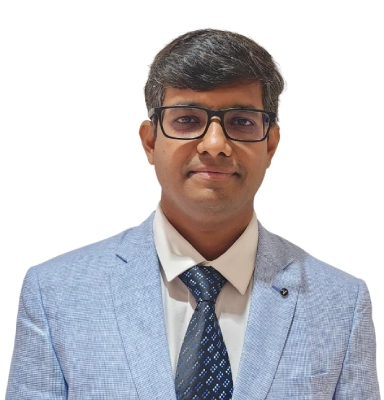
Choosing an experienced dbs surgeon in india is an important step in understanding whether this procedure is suitable. Dr. Manish Baldia, Consultant Functional Neurosurgeon at Baldia’s Advance Neuro Parkinson’s and Spine Centre, specialises in functional neurosurgery, DBS and the management of complex movement disorders in Mumbai.
What Is Deep Brain Stimulation (DBS)?
Deep Brain Stimulation is a surgical treatment in which thin electrodes are placed in specific areas of the brain involved in controlling movement. These electrodes connect to a small implanted device, commonly called a neurostimulator, which sends controlled electrical impulses to regulate abnormal brain activity.
DBS does not cure Parkinson’s disease or stop its progression. However, in appropriately selected patients, it may help reduce certain movement-related symptoms, improve motor function and support better day-to-day functioning. It may also allow some patients to adjust their medication under medical supervision.
The treatment is individualised. The brain target, stimulation settings and expected benefits depend on the patient’s diagnosis, symptoms, medical history and overall health.
Who May Benefit from DBS Surgery?
DBS may be considered for people with Parkinson’s disease who experience symptoms that are not adequately controlled with medication. It can also be an option for selected patients with dystonia, essential tremor and certain other movement disorders.
A specialist assessment is essential before deciding on surgery. The evaluation may consider:
- The specific neurological diagnosis and duration of symptoms.
- How well symptoms respond to medication.
- The presence of medication-related fluctuations or involuntary movements.
- Cognitive health, general medical condition and ability to participate in follow-up care.
- The patient’s expectations, lifestyle and support system.
Not every person with Parkinson’s disease is a suitable candidate. A detailed consultation helps determine whether DBS or another treatment approach is more appropriate.
How Does the DBS Procedure Work?
DBS treatment generally involves several stages. First, the neurosurgical team evaluates the patient and plans the procedure. Brain imaging and other assessments help identify the intended electrode targets.
During surgery, electrodes are carefully positioned in selected brain regions. They are connected to a neurostimulator, which is usually implanted under the skin. The device is then programmed and adjusted over time to find settings that provide symptom control while limiting unwanted effects.
The procedure is only one part of the treatment journey. Follow-up appointments and programming sessions are important because stimulation settings may need adjustment as the patient’s symptoms and needs change.
Why Specialist Experience Matters in DBS Treatment
DBS requires detailed knowledge of brain anatomy, movement disorders, surgical targeting and device programming. The process also involves careful patient selection and ongoing assessment after surgery.
Dr. Manish Baldia is a functional neurosurgeon with qualifications that include an MBBS from Dr. NTR University of Health Sciences, Vijayawada, an MCh in Neurosurgery from Christian Medical College (CMC), Vellore, and a Fellowship in Functional Neurosurgery and Neuromodulation through EEPIN, London.
His professional experience includes training and work at CMC Vellore, where his profile records experience as a senior resident and later as an Assistant and Associate Professor of Neurosurgery. The published profile states that he assisted in more than 1,200 cases and independently performed over 400 complex cranial and spinal procedures during his training and clinical roles.
His functional neurosurgery experience includes working with Dr. Paresh Doshi and developing expertise in Deep Brain Stimulation, DBS programming, thalamotomy, radiofrequency procedures and other neuromodulation techniques.
Dr. Manish Baldia’s Expertise in Parkinson’s and Movement Disorders
Dr. Baldia’s areas of practice include DBS for Parkinson’s disease and dystonia, advanced DBS programming, epilepsy surgery and other functional neurosurgical procedures. His wider neurosurgical experience includes the management of complex brain and spine conditions.
His published DBS profile also describes experience in evaluating patients with failed or suboptimal DBS outcomes. Such cases may require careful review of the original diagnosis, electrode placement, device function and stimulation settings. Advanced programming and imaging-guided assessment may be considered where clinically appropriate.
Patients looking for the best doctor for parkinsons in mumbai should consider more than the procedure itself. The surgeon’s experience, ability to explain treatment choices, approach to individual assessment and availability for post-operative follow-up are all important factors.
What to Expect at Baldia’s Advance Neuro Parkinson’s and Spine Centre
Baldia’s Advance Neuro Parkinson’s and Spine Centre is a dedicated specialist centre in Byculla East, Mumbai. Its clinical focus includes Parkinson’s disease, movement disorders, DBS and selected brain and spine conditions.
Patients can visit the centre to discuss symptoms, understand available treatment options and seek guidance on whether further investigations or a specialist hospital-based assessment may be required. Dr. Baldia’s stated approach emphasises individual evaluation, clear explanations and support throughout treatment, including after surgery.
For patients considering Deep Brain Stimulation Surgery in Mumbai, a consultation can help clarify the potential benefits, limitations, risks and follow-up requirements. The centre’s published profile also lists Dr. Baldia’s consultations at hospitals including Wockhardt Hospital, SRCC Children’s Hospital, Apollo Hospital and Saifee Hospital.
Benefits and Considerations of DBS
For suitable patients, DBS may help reduce tremors, stiffness, slowness of movement and certain involuntary movements. It may improve the ability to carry out daily activities and, in some cases, help reduce medication-related complications.
However, results vary. DBS involves brain surgery and carries potential risks, including infection, bleeding, seizures, device-related complications and stimulation-related side effects. It also requires regular programming and follow-up. Patients should discuss the likely benefits and risks in the context of their own condition before making a decision.
Consult Dr. Manish Baldia for DBS Evaluation in Mumbai
If Parkinson’s symptoms or another movement disorder are affecting everyday life, a specialist consultation can help you understand the available options. Dr. Manish Baldia’s training in neurosurgery and functional neurosurgery, together with his experience in DBS and programming, supports an individualised approach to assessment and treatment.
For people researching a dbs surgeon in india, the next step is to arrange a consultation, bring previous medical reports and medication details, and discuss whether DBS is appropriate for their diagnosis.
Consult Dr. Manish Baldia at Baldia’s Advance Neuro Parkinson’s and Spine Centre to understand your diagnosis, explore advanced treatment options, and receive personalised medical guidance.
Contact the centre to enquire about appointments and directions.
Frequently Asked Questions
1. What conditions can be treated with Deep Brain Stimulation?
DBS is commonly used for selected patients with Parkinson’s disease, dystonia and essential tremor. It may also be considered for certain other neurological conditions. Suitability depends on the diagnosis and specialist evaluation.
2. Does DBS cure Parkinson’s disease?
No. DBS does not cure Parkinson’s disease or stop its progression. For selected patients, it may help control certain movement symptoms and improve quality of life.
3. Is DBS surgery suitable for every Parkinson’s patient?
No. A specialist assessment is required to evaluate symptom response to medication, disease characteristics, cognitive health and general fitness for surgery. The treating team can explain whether DBS is an appropriate option.
4. Why is follow-up important after DBS surgery?
After surgery, the implanted device needs programming and adjustment. Regular follow-up helps the clinical team assess symptom control, manage stimulation settings and address any concerns that arise.