
Persistent pelvic pain, painful periods or discomfort during intercourse can sometimes be dismissed as routine menstrual symptoms. However, when these problems interfere with daily life, work or fertility, they may require a detailed gynaecological evaluation. During my research into women’s healthcare in Mumbai, I found that Endometriosis treatment in Mumbai involves understanding the extent of disease, symptoms, fertility goals and overall health before deciding on an appropriate management approach. Dr. Maitreyee Parulekar at Kirit Nursing Home provides gynaecological care, with experience in complex women’s health conditions and gynaecological oncology.
Understanding Endometriosis Treatment in Mumbai
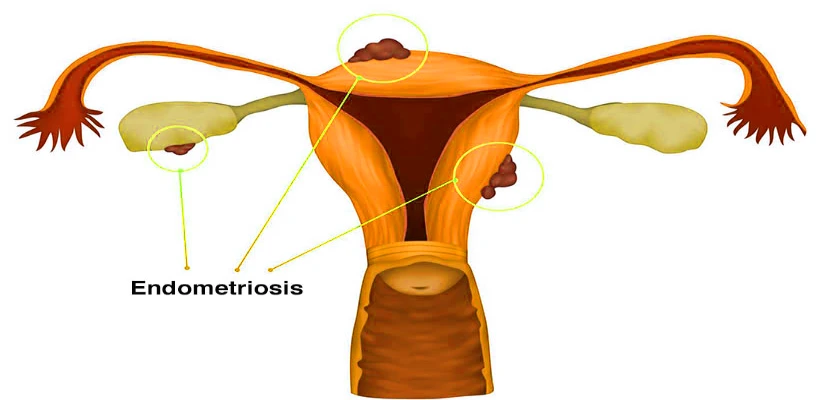
Endometriosis treatment in Mumbai begins with recognising the condition and understanding how it affects an individual patient. Endometriosis occurs when tissue similar to the lining of the uterus grows outside the uterine cavity. This tissue can respond to hormonal changes during the menstrual cycle and may contribute to inflammation, pain and scar tissue.
Endometriosis commonly affects the ovaries, fallopian tubes and tissues around the pelvis, although it can occur in other locations. The condition varies considerably between patients. Some women may have extensive disease with relatively mild symptoms, while others may experience significant pain despite having less extensive lesions.
Symptoms can include painful periods, chronic pelvic pain, pain during intercourse, painful bowel movements or urination during menstruation and difficulty conceiving.
Common Symptoms of Endometriosis
Endometriosis symptoms can vary in intensity and may overlap with other gynaecological or gastrointestinal conditions. Common symptoms include:
- Severe menstrual cramps
- Pelvic pain between periods
- Pain during or after sexual intercourse
- Heavy or irregular menstrual bleeding
- Pain during bowel movements, particularly around menstruation
- Painful urination during periods
- Bloating and abdominal discomfort
- Fatigue
- Difficulty conceiving
The presence or severity of symptoms does not always correspond directly with the extent of endometriosis. A woman with mild disease may experience significant pain, while another patient with more extensive disease may have relatively few symptoms.
Persistent or worsening symptoms should therefore be assessed by a gynaecologist rather than managed solely with over-the-counter pain medication.
What Causes Endometriosis?
The exact cause of endometriosis is not fully established. Several theories have been proposed, including retrograde menstruation, hormonal influences, genetic factors and immune-system responses.
Endometriosis is influenced by oestrogen and typically occurs during the reproductive years. Risk may be associated with factors such as an early onset of menstruation, shorter menstrual cycles, heavy periods and a family history of the condition.
However, having one or more risk factors does not necessarily mean that a woman will develop endometriosis.
How Is Endometriosis Diagnosed?
Diagnosis begins with a detailed medical history and pelvic examination when appropriate. The doctor may ask about menstrual patterns, pain, previous surgeries, fertility concerns and symptoms involving the bowel or bladder.
Ultrasound can help identify ovarian endometriomas and certain forms of deep endometriosis. In selected situations, MRI may provide additional information about the location and extent of disease.
Laparoscopy has historically been considered an important method for directly visualising endometriosis and may allow treatment during the same procedure. However, the appropriate diagnostic pathway depends on symptoms, examination findings, imaging and the patient’s individual circumstances.
Dr. Maitreyee Parulekar: Qualifications and Clinical Experience
Dr. Maitreyee Parulekar is a gynaecologist and gynaecological oncology specialist associated with Kirit Nursing Home. Her professional profile identifies her as a qualified medical specialist with expertise in women’s health and gynaecological cancer care.
Her clinical experience includes the evaluation and management of gynaecological conditions as well as surgical care. Her training and professional work have given her experience in managing complex cases that may require detailed investigation and multidisciplinary planning.
Her profile also identifies her as a Top Gynae Oncologist In Mumbai, reflecting her specialised focus on gynaecological oncology. This area of medicine involves cancers affecting organs such as the uterus, cervix, ovaries, vagina and vulva.
Expertise Relevant to Women’s Gynaecological Health
Dr. Maitreyee Parulekar’s practice encompasses general gynaecology as well as specialised gynaecological oncology. This includes evaluation of abnormal bleeding, pelvic masses and conditions that may require surgical investigation.
Endometriosis itself is not cancer, but persistent pelvic symptoms or an ovarian mass can sometimes require careful evaluation to establish the diagnosis and exclude other conditions.
Patients seeking a Gynecologist In Vile Parle, Mumbai can discuss persistent menstrual pain, fertility concerns, abnormal bleeding or pelvic symptoms with a specialist and determine whether further investigation is necessary.
Endometriosis Treatment Options
Treatment depends on the patient’s symptoms, age, severity of disease, fertility plans and previous treatment.
Pain Management
Pain-relieving medicines may be recommended to control symptoms. The choice of medication depends on the individual’s medical history and should be discussed with a healthcare professional.
Hormonal Therapy
Hormonal treatments can reduce hormonal stimulation of endometriosis and may help control pain. Options can include combined hormonal contraceptives, progestin-based treatments and other hormone-modulating medicines.
Hormonal treatment may reduce symptoms but does not necessarily eliminate existing endometriosis lesions.
Laparoscopic Surgery
For some women, laparoscopic surgery may be considered when symptoms are severe, medication has not provided adequate relief, endometriosis is extensive or fertility is affected.
During laparoscopy, a surgeon can identify and, where appropriate, remove or treat endometriotic lesions, adhesions or ovarian endometriomas. The decision to operate depends on the patient’s individual circumstances.
Fertility-Focused Management
Endometriosis can be associated with difficulty conceiving. Treatment decisions for women trying to become pregnant need to consider age, ovarian reserve, disease severity, duration of infertility and other fertility factors.
Some women may conceive naturally, while others may require fertility treatment. A gynaecologist or fertility specialist can help determine the appropriate pathway.
Endometriosis and Fertility
One of the concerns frequently associated with endometriosis is its potential impact on fertility. Inflammation, adhesions, ovarian endometriomas and changes in pelvic anatomy may interfere with conception in some women.
However, a diagnosis of endometriosis does not mean that pregnancy is impossible. Fertility outcomes vary substantially.
Women who have been trying to conceive without success, particularly when accompanied by significant pelvic pain or a known history of endometriosis, may benefit from early specialist evaluation.
Benefits and Limitations of Treatment
The potential benefits of Endometriosis treatment in Mumbai include better pain control, improved quality of life and, in selected cases, improved fertility outcomes. Surgery may also help treat adhesions or endometriotic lesions when appropriately indicated.
However, endometriosis is a chronic condition and symptoms can recur. Surgery also carries risks, including bleeding, infection, adhesions and injury to surrounding organs. The risks depend on the location and severity of disease and the type of procedure performed.
Treatment should therefore be individualised rather than based solely on the severity of symptoms or imaging findings.
Clinic Environment at Kirit Nursing Home
Kirit Nursing Home provides a clinical setting for women’s healthcare and specialist gynaecological consultations. Patients can discuss menstrual symptoms, pelvic pain, fertility concerns and other gynaecological problems in a clinical consultation environment.
For conditions that may require surgery or additional investigation, access to appropriate medical facilities is an important consideration. The exact investigations and treatment plan depend on the patient’s clinical assessment.
A consultation allows Dr. Maitreyee Parulekar to review the patient’s symptoms and history and determine whether further testing or treatment is appropriate.
When Should You See a Gynaecologist?
Women should consider a gynaecological consultation when menstrual or pelvic symptoms become persistent, severe or disruptive. Medical assessment is particularly important when:
- Period pain prevents normal daily activities
- Pain occurs outside menstruation
- Sexual intercourse is painful
- Periods are unusually heavy
- There is persistent pelvic or abdominal pain
- Pregnancy has not occurred despite trying
- An ovarian cyst or pelvic mass has been identified
- Symptoms are progressively worsening
Early assessment does not necessarily mean surgery will be required. The purpose is to establish the cause of symptoms and identify appropriate management options.
Frequently Asked Questions
1. Can endometriosis be cured permanently?
There is currently no guaranteed permanent cure for endometriosis. Treatments can control symptoms and, when appropriate, surgically remove visible disease. Because endometriosis can recur, long-term monitoring and management may be necessary.
2. Does endometriosis always cause infertility?
No. Many women with endometriosis can become pregnant naturally. However, the condition can affect fertility in some patients. Fertility evaluation should consider age, ovarian reserve, disease severity and other reproductive factors.
3. Is surgery always required for endometriosis?
No. Treatment may include pain medication and hormonal therapy, depending on symptoms and reproductive goals. Surgery may be considered in selected cases, such as severe symptoms, certain ovarian endometriomas, extensive disease or specific fertility-related circumstances.
4. Can severe period pain be a sign of endometriosis?
Severe period pain can be one symptom of endometriosis, but it can also have other causes. Pain that is severe, persistent or interferes with daily activities should be evaluated by a gynaecologist.
Consult Dr. Maitreyee Parulekar
Choosing a specialist for Endometriosis treatment in Mumbai involves considering the patient’s symptoms, fertility goals, disease characteristics and available treatment options. Dr. Maitreyee Parulekar at Kirit Nursing Home has expertise in gynaecology and gynaecological oncology and provides specialist women’s healthcare.
A consultation can help determine whether symptoms are consistent with endometriosis or another condition and whether further imaging, medication, surgery or fertility-focused evaluation may be appropriate.
For appointments and enquiries:
📞 +91 72087 27500 | +91 97023 58222
📧 info@drmaitreyeegynec.in
Get Directions to the Clinic – Kirit Nursing Home, Vile Parle
If you are experiencing severe period pain, persistent pelvic discomfort, painful intercourse or fertility concerns, contact Dr. Maitreyee Parulekar to schedule a consultation. A personalised evaluation can help identify the possible cause of your symptoms and discuss appropriate treatment options.