
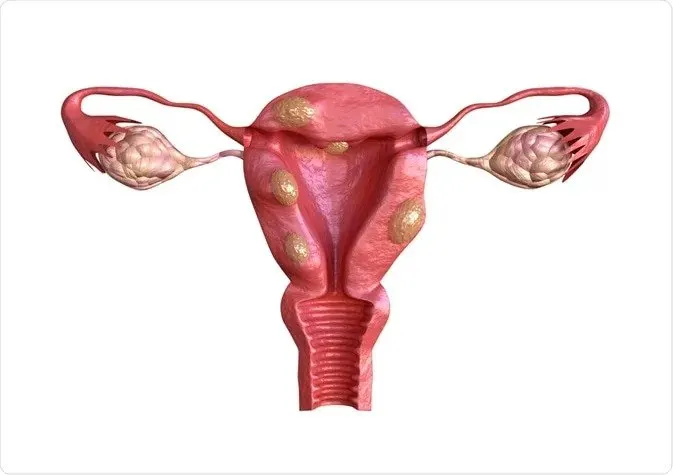
Uterine fibroids are among the most common gynaecological conditions affecting women during their reproductive years. Although most fibroids are non-cancerous, they can cause heavy menstrual bleeding, pelvic pain, abdominal discomfort, frequent urination and fertility-related concerns. Depending on their size, number and location, fibroids may require medical management or surgical intervention. Fibroid removal in Mumbai offers women access to advanced treatment options and specialised surgical care to manage fibroids effectively while preserving uterine health whenever possible.
Choosing an experienced gynaecological surgeon is important when considering treatment. Fibroid removal in Mumbai offers women access to advanced surgical techniques, including laparoscopic and robotic-assisted myomectomy, which aim to remove fibroids while preserving the uterus whenever medically appropriate.
Dr. Maitreyee Parulekar at Kirit Nursing Home is a qualified gynaecological surgeon specialising in minimally invasive surgery, robotic procedures and complex gynaecological conditions. With advanced training and experience in gynaecological oncosurgery, she provides individualised treatment recommendations based on each patient’s medical condition and reproductive goals.
Understanding Uterine Fibroids and Their Symptoms
Uterine fibroids, medically known as leiomyomas, are non-cancerous growths that develop in the muscular wall of the uterus. They can vary considerably in size, from small growths that cause no symptoms to larger fibroids that affect surrounding pelvic organs.
Fibroids are generally classified according to their location:
- Intramural fibroids: Develop within the muscular wall of the uterus.
- Submucosal fibroids: Grow towards the inner uterine cavity and may cause heavy menstrual bleeding.
- Subserosal fibroids: Develop on the outer surface of the uterus and may press against nearby organs.
- Pedunculated fibroids: Grow on a stalk attached to the uterus, either internally or externally.
Common symptoms include heavy or prolonged menstrual periods, painful cramps, pelvic pressure, lower abdominal swelling, frequent urination, constipation and difficulty conceiving in certain cases.
Some women may have fibroids without experiencing noticeable symptoms. However, persistent menstrual changes, pelvic discomfort or unexplained anaemia should be evaluated by a gynaecologist.
When Is Fibroid Removal in Mumbai Recommended?
Not every uterine fibroid requires surgery. Treatment depends on the patient’s symptoms, age, overall health, fibroid characteristics and future pregnancy plans.
A gynaecologist may recommend surgical treatment when:
- Fibroids cause heavy menstrual bleeding or recurrent anaemia.
- Persistent pelvic pain affects everyday activities.
- Large fibroids create pressure on the bladder or bowel.
- Fibroids interfere with fertility or pregnancy in certain cases.
- Medication does not adequately control symptoms.
- Fibroids continue to grow or cause significant complications.
Women considering Fibroid removal in Mumbai who wish to preserve their uterus may be suitable candidates for myomectomy, a surgical procedure that removes fibroids while retaining the uterus. The appropriate treatment approach is determined after a detailed clinical examination, evaluation of symptoms and imaging investigations to ensure personalised and effective care.
Advanced Surgical Options for Fibroid Removal
Modern gynaecological surgery offers different approaches depending on the size, number and location of fibroids.
1. Laparoscopic Myomectomy
Laparoscopic myomectomy is a minimally invasive procedure performed through small abdominal incisions. A camera and specialised surgical instruments help the surgeon identify and remove fibroids with precision.
The uterine wall is carefully repaired after fibroid removal. Compared with traditional open surgery, laparoscopy may offer smaller scars, reduced postoperative discomfort and a shorter recovery period in suitable patients.
2. Robotic-Assisted Myomectomy
Robotic-assisted surgery is an advanced minimally invasive technique that uses specialised robotic instruments controlled entirely by the surgeon.
The system provides magnified three-dimensional visualisation and precise instrument movements, helping surgeons perform complex procedures in difficult anatomical areas.
It may be considered for selected patients with multiple, large or technically challenging fibroids. The technique can also support careful reconstruction of the uterine wall when preserving fertility is important.
3. Hysteroscopic Myomectomy
Hysteroscopic myomectomy is generally used for suitable submucosal fibroids that project into the uterine cavity. A thin instrument with a camera is passed through the vagina and cervix, allowing the surgeon to remove the fibroid without abdominal incisions.
The procedure is particularly useful when fibroids contribute to abnormal uterine bleeding or affect the uterine cavity.
4. Open Myomectomy
In certain complex cases, open surgery may be recommended. This approach involves an abdominal incision that allows the surgeon to access and remove fibroids, particularly when their size, number or location makes minimally invasive surgery unsuitable.
The choice of surgical technique should always prioritise patient safety and long-term outcomes.
Why Choose Dr. Maitreyee Parulekar for Fibroid Removal in Mumbai?
Dr. Maitreyee Parulekar is a specialist in gynaecological oncosurgery and minimally invasive gynaecological procedures. Her qualifications include:
- MBBS
- MS in Obstetrics and Gynaecology from Seth GS Medical College and KEM Hospital, Mumbai
- MRCOG (UK)
- Fellowship in Minimal Access Surgery (FMAS), MUHS
- Fellowship in Gynaecological Oncosurgery and Robotic Surgery, Seoul, South Korea
- Visiting Scholar in Minimally Invasive Gynaecology, Mount Sinai Hospital, Toronto
She secured a University Gold Medal for standing first in MS Obstetrics and Gynaecology and has received several professional recognitions, including the Best Resident Award.
Her clinical expertise includes laparoscopic and robotic surgery for benign and malignant gynaecological conditions, fibroid removal, endometriosis management, hysterectomy and fertility-preserving procedures.
As a Top Gynae Oncologist In Mumbai, Dr. Maitreyee Parulekar brings specialised surgical knowledge and advanced minimally invasive training to the management of complex gynaecological conditions.
She practises at multiple healthcare facilities, including Kirit Nursing Home, where patients can access consultations, evaluation and appropriate treatment planning. Her patient-friendly approach focuses on listening to concerns, explaining diagnoses and discussing available treatment options clearly. The clinical care environment aims to make women feel comfortable and supported throughout their treatment journey.
What to Expect Before and After Fibroid Surgery?
Before surgery, the doctor evaluates the patient’s symptoms, medical history and reproductive goals. Pelvic ultrasound is commonly performed to determine the number, size and location of fibroids. MRI may be recommended when more detailed imaging is necessary.
Blood investigations and other preoperative assessments help determine surgical fitness.
After surgery, recovery depends on the procedure performed and individual health factors. Patients may receive instructions regarding medication, wound care, physical activity and follow-up appointments.
Light walking, adequate hydration, balanced nutrition and sufficient rest can support recovery. Heavy lifting and strenuous activities should be avoided until the surgeon provides clearance.
Women planning future pregnancies should discuss the recommended waiting period after myomectomy with their surgeon. Regular follow-up examinations may also be advised to monitor uterine healing and identify any recurrent fibroids.
Benefits of Choosing Fibroid Removal in Mumbai
Consulting a specialist with advanced surgical training can help women understand the most appropriate treatment for their condition.
Potential benefits of modern minimally invasive approaches include:
- Smaller surgical incisions in suitable procedures.
- Reduced postoperative discomfort.
- Less visible scarring.
- Shorter hospital stays in many cases.
- Faster return to routine activities.
- Preservation of the uterus through myomectomy when appropriate.
- Individualised treatment planning based on fertility goals.
However, every surgical procedure has potential risks, including bleeding, infection, injury to surrounding organs and anaesthesia-related complications. Fibroids may also recur after myomectomy. Outcomes and recovery vary between individuals.
Consult Dr. Maitreyee Parulekar at Kirit Nursing Home
Living with persistent menstrual problems, pelvic discomfort or fibroid-related complications can affect physical health and everyday activities. Early evaluation helps women understand their condition and explore appropriate treatment options.
If you are considering Fibroid removal in Mumbai, consult Dr. Maitreyee Parulekar for a detailed assessment and personalised surgical guidance. Her expertise in laparoscopic and robotic gynaecological procedures helps patients understand available options, including uterus-preserving surgery when suitable.
Women looking for an experienced Gynecologist In Vile Parle, Mumbai can contact her clinic to schedule an appointment.
+91 72087 27500 | +91 97023 58222
info@drmaitreyeegynec.in
Get Directions to the Clinic – Kirit Nursing Home, Vile Parle
Take the next step towards better gynaecological health with expert evaluation and personalised care.
Frequently Asked Questions
1. Can uterine fibroids be removed without removing the uterus?
Yes. Myomectomy removes fibroids while preserving the uterus. It may be suitable for women who wish to retain their fertility, depending on their medical condition and fibroid characteristics.
2. Is laparoscopic fibroid removal better than open surgery?
Laparoscopic surgery involves smaller incisions and may offer less postoperative discomfort and faster recovery. However, the best approach depends on the fibroids’ size, number, location and surgical complexity.
3. Can fibroids return after surgical removal?
Yes. New fibroids can develop after myomectomy because the procedure removes existing growths but does not eliminate the underlying tendency to develop fibroids. Regular follow-up is important.
4. How long does recovery take after fibroid removal?
Recovery depends on the surgical technique. Women undergoing minimally invasive procedures may return to routine activities sooner than those undergoing open surgery. The surgeon will provide individual recovery instructions.