
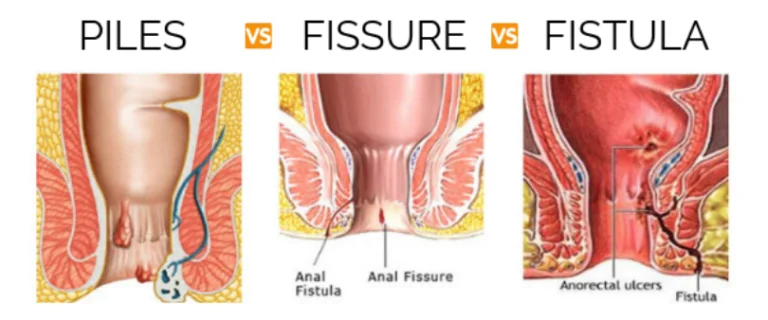
Anal fissures can cause intense pain, burning, and bleeding during or after bowel movements. Although an anal fissure may appear to be a small tear, the discomfort can significantly affect everyday life. Many people delay consultation because they feel embarrassed discussing symptoms related to the anal region. However, timely diagnosis and appropriate treatment can prevent an acute fissure from becoming chronic.
If you are searching for a fissure specialist in borivali, Dr. Bhavesh Doshi provides evaluation and treatment for fissures, piles, fistulas, and other anorectal conditions at Dhanvantari Hospital. His approach focuses on identifying the exact cause of symptoms and selecting treatment according to the severity and duration of the condition.
What Is an Anal Fissure?
An anal fissure is a small tear in the lining of the anal canal. It commonly develops when hard or large stools stretch and injure the delicate tissue around the anus. The resulting pain can cause the anal muscles to tighten, making subsequent bowel movements even more uncomfortable.
Common symptoms include:
- Sharp pain while passing stools
- Burning or discomfort that may continue for hours
- Fresh, bright-red blood on toilet paper or the stool
- Pain or fear associated with bowel movements
- Constipation caused by avoiding the toilet because of pain
An anal fissure should not automatically be confused with piles. While piles are swollen blood vessels around or inside the anus, fissures are tears in the anal lining. Correct diagnosis is therefore essential before beginning treatment.
What Causes Anal Fissures?
Several factors can increase the likelihood of developing an anal fissure. Chronic constipation and passing hard stools are among the most common triggers. Repeated straining can place additional pressure on the anal canal and prevent an existing tear from healing.
Other contributing factors may include:
- Low-fibre diets
- Inadequate water intake
- Chronic diarrhoea
- Prolonged sitting
- Obesity
- Pregnancy
- Repeated straining during bowel movements
- Certain inflammatory bowel conditions
Improving bowel habits and addressing constipation early can help reduce the risk of fissures and their recurrence.
Acute vs Chronic Anal Fissure
Not every fissure requires surgery. An acute fissure may heal with appropriate conservative treatment, particularly when the underlying constipation or bowel habit is corrected.
Treatment may include increasing dietary fibre, drinking adequate water, using stool softeners when recommended, taking warm sitz baths, and applying prescribed topical medications that help relax the anal muscles. Pain-relieving medicines may also be recommended depending on the patient’s symptoms.
A fissure that continues for a prolonged period or repeatedly fails to heal may become chronic. Chronic fissures can be associated with persistent pain and may require a surgical approach when medical management does not provide adequate healing.
When Should You See a Fissure Specialist?
Occasional discomfort may improve with bowel-habit changes, but persistent or severe symptoms should be professionally evaluated. You should consider consulting a surgeon if you experience repeated bleeding, severe pain during bowel movements, persistent burning, a recurring anal tear, or symptoms that do not improve with conservative measures.
Immediate medical attention is particularly important when anal pain is accompanied by significant swelling, fever, pus discharge, or recurrent abscesses. These symptoms may indicate another anorectal condition, such as an anal fistula or abscess, rather than an uncomplicated fissure.
An accurate diagnosis is important because piles, fissures, and fistulas can have overlapping symptoms but require different treatments.
How Is an Anal Fissure Diagnosed?
Diagnosis generally begins with a detailed discussion of your symptoms, bowel habits, duration of pain, bleeding, and previous treatments. A clinical examination may then help the surgeon determine the location and severity of the problem.
Depending on the symptoms and clinical findings, evaluation may involve examination of the anal region, digital rectal examination, or proctoscopy/anoscopy. In selected patients, additional investigations may be recommended to rule out other colorectal conditions.
The goal is not simply to identify a fissure but to understand why it developed and whether constipation, diarrhoea, inflammatory disease, or another condition is contributing to the problem.
Treatment Options for Anal Fissure
Treatment depends on whether the fissure is acute or chronic and whether previous conservative measures have worked.
Conservative Treatment
Early fissures often respond to non-surgical management. A treatment plan may include:
- Fibre-rich foods
- Adequate hydration
- Stool softeners
- Warm sitz baths
- Prescribed topical medicines
- Pain management
- Avoiding excessive straining
- Establishing regular bowel habits
These measures aim to soften stools, reduce trauma during bowel movements, relax the anal muscles, and create favourable conditions for healing.
Lateral Internal Sphincterotomy
When a chronic fissure does not heal despite appropriate medical treatment, a procedure known as Lateral Internal Sphincterotomy (LIS) may be considered.
The procedure involves carefully relaxing a portion of the internal anal sphincter. This reduces excessive muscle tension, improves local conditions for healing, and can significantly reduce fissure-related pain.
Whether surgery is appropriate depends on the individual patient’s condition, medical history, symptoms, and examination findings. A qualified surgeon should determine the most suitable approach rather than assuming that every fissure requires an operation.
Why Choose Dr. Bhavesh Doshi?
Dr. Bhavesh Doshi is a General, Laparoscopic and Pediatric Surgeon in Mumbai with an M.S. in General Surgery and M.Ch. in Pediatric Surgery. His medical training began at K. J. Somaiya Medical College, followed by clinical experience at institutions including B.L.Y. Nair Hospital, Dr. D.Y. Patil Medical College, Bhagwati Hospital and R.N. Cooper Hospital. He subsequently underwent high-volume super-specialty training in pediatric surgery at Sri Aurobindo Institute of Medical Sciences.
His broader surgical expertise includes general surgery, laparoscopic procedures, pediatric surgery, pediatric urology, and treatment of conditions such as piles, fissures and fistulas. His website highlights more than 14 years of surgical expertise and more than 3,000 successful pediatric procedures, alongside a focus on evidence-based treatment, personalised attention and compassionate communication.
At Dhanvantari Hospital, his care philosophy emphasizes accurate diagnosis, appropriate treatment selection, modern surgical techniques and patient-centred support. His practice also includes minimally invasive surgery, where appropriate, with the aim of reducing surgical trauma and supporting recovery.
Although Dr. Doshi is prominently known as a Pediatric Surgeon in Mumbai, his general and laparoscopic surgical practice also covers adult conditions including piles, fissures and fistulas.
A Patient-Centred Approach to Fissure Care
Fissure treatment is not only about relieving pain temporarily. The underlying cause needs to be addressed so that the tissue can heal and the risk of recurrence can be reduced.
Dr. Doshi’s approach includes explaining the diagnosis and available treatment options in clear language, helping patients understand when lifestyle measures may be sufficient and when a procedure may be appropriate. His practice emphasizes transparent and ethical treatment, personalised attention and evidence-based care.
If you are experiencing persistent anal pain, bleeding, or difficulty passing stools, early consultation can help identify the cause before symptoms become more severe.
Book a Consultation with Dr. Bhavesh Doshi
If you are looking for a fissure specialist in borivali, Dr. Bhavesh Doshi offers surgical evaluation and treatment at Dhanvantari Hospital. Early assessment can help distinguish an anal fissure from piles, fistula, abscess, or another colorectal condition and guide you toward the appropriate treatment.
📞 9820565205 ☎️ 022 28338378
Get directions to the clinic – Dhanvantari Hospital
If persistent anal pain, bleeding, or bowel-related discomfort is affecting your daily life, don’t ignore the symptoms. Book a consultation with Dr. Bhavesh Doshi for a professional evaluation and personalised treatment plan.
Frequently Asked Questions
1. Can an anal fissure heal without surgery?
Yes. Many acute fissures improve with fibre, adequate hydration, stool-softening measures, warm sitz baths, appropriate medications and improved bowel habits. Chronic fissures that do not respond to medical treatment may require surgery.
2. Is severe pain during bowel movements always caused by piles?
No. Severe or sharp pain during and after bowel movements is commonly associated with an anal fissure. Persistent discharge, recurrent swelling or abscesses may suggest an anal fistula. Accurate diagnosis is important because these conditions require different treatment approaches.
3. When does an anal fissure require surgery?
Surgery may be considered when a fissure becomes chronic and does not heal despite appropriate conservative treatment. Lateral Internal Sphincterotomy is one surgical option used in selected patients.
4. How can I reduce the risk of fissure recurrence?
Maintaining a fibre-rich diet, drinking sufficient water, exercising regularly, avoiding prolonged straining, responding promptly to the urge to pass stools, and managing constipation can help maintain healthy bowel habits and reduce recurrence risk.