
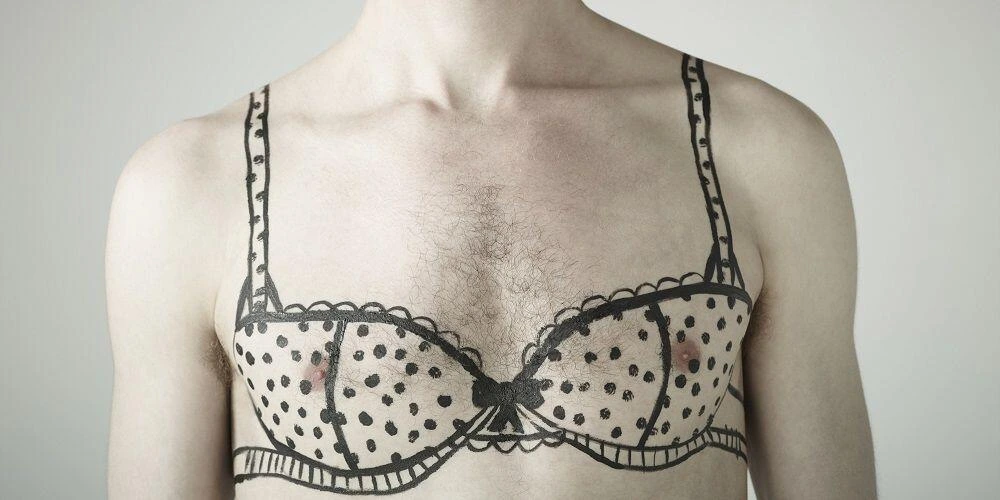
Gynecomastia, commonly known as male breast enlargement, is a condition that affects many men at different stages of life. It can develop due to hormonal imbalances, changes during puberty, weight fluctuations, certain medications, or underlying health conditions. While the condition is medically common, it can sometimes cause emotional discomfort, reduced confidence, and hesitation in wearing fitted clothes or participating in activities.
Many men look for ways to reduce chest fullness without undergoing surgery. But is gynecomastia treatment without surgery really possible? The answer depends on the underlying cause, the amount of glandular tissue present, and whether the enlargement is primarily due to fat or breast gland tissue.
At Dr. Siddharth Prakash Plastic & Aesthetic Surgery Clinic in Mumbai, patients can seek professional evaluation and guidance to understand their condition and explore suitable treatment options.
What Is Gynecomastia?
Gynecomastia is the enlargement of male breast glandular tissue, often caused by an imbalance between estrogen and testosterone. Although men naturally have both hormones, changes in their levels or their effects on the body can result in breast tissue development.
Gynecomastia may affect one or both breasts and can occur during adolescence, adulthood, or later in life. Some men experience tenderness or sensitivity, while others primarily notice increased chest volume.
It is important to distinguish true gynecomastia from pseudogynecomastia, which refers to chest enlargement caused mainly by fat accumulation. Identifying the difference is essential because treatment recommendations vary according to the type of enlargement.
Can Gynecomastia Be Treated Without Surgery?
In some cases, gynecomastia may improve without surgical intervention. However, non-surgical treatment is not equally effective for every patient.
When breast enlargement is associated with puberty, temporary hormonal changes, certain medications, or an underlying medical condition, addressing the contributing factor may help reduce the enlargement over time.
For example, pubertal gynecomastia often resolves naturally as hormonal levels stabilize. If a medication is contributing to breast enlargement, a doctor may review the prescription and consider alternatives when medically appropriate. Treating certain underlying hormonal or health conditions may also improve symptoms.
However, persistent gynecomastia caused by developed glandular tissue may not respond significantly to exercise, dietary changes, or medication alone. A medical assessment is therefore important before relying on non-surgical methods.
Non-Surgical Ways to Manage Male Chest Enlargement
1. Weight Management and Healthy Lifestyle
If chest enlargement is primarily caused by excess fat, maintaining a healthy weight may help reduce chest volume. A balanced diet, regular physical activity, and gradual weight loss can improve overall body composition.
Weight management may be particularly beneficial for pseudogynecomastia. However, losing weight does not necessarily eliminate glandular breast tissue associated with true gynecomastia.
2. Exercise and Strength Training
Strength training exercises such as push-ups, chest presses, and other upper-body workouts can help strengthen the pectoral muscles. Cardiovascular activities may also support fat loss and overall fitness.
Exercise can improve chest muscle definition and body composition, but it cannot directly remove enlarged breast gland tissue. Patients should understand that developing stronger chest muscles does not guarantee a flat chest appearance when glandular tissue is present.
3. Treating Hormonal Imbalances
Hormonal fluctuations involving testosterone and estrogen can contribute to gynecomastia. A doctor may recommend blood tests or other investigations if a hormonal cause is suspected.
Treatment is directed towards the underlying issue rather than simply reducing chest size. Certain medications may be considered in selected cases, particularly when gynecomastia is recent and associated with tenderness. These should only be used under medical supervision, as they are not appropriate for everyone.
4. Reviewing Medications and Underlying Conditions
Some medications and medical conditions may contribute to male breast enlargement. A healthcare professional can review your medical history, medications, supplements, and relevant health factors.
Never stop prescribed medications independently. If a medicine is suspected of contributing to gynecomastia, discuss appropriate alternatives or adjustments with your treating doctor.
When Is Surgery Considered?
When gynecomastia persists despite addressing its potential causes, surgery may be considered for patients who are uncomfortable with their chest appearance.
Surgical treatment may involve liposuction to remove excess fat, excision to remove glandular tissue, or a combination of both techniques. The approach depends on the extent of enlargement, skin quality, glandular composition, and individual anatomy.
Surgery is often considered when:
- Breast enlargement has persisted for a prolonged period.
- Excess glandular tissue does not improve with conservative management.
- Chest enlargement causes emotional distress or affects confidence.
- The patient experiences persistent tenderness or discomfort.
- The chest contour remains prominent despite weight management.
A consultation with an experienced plastic surgeon helps determine whether surgery is necessary and what results can reasonably be expected.
Why Consult Dr. Siddharth Prakash?
Dr. Siddharth Prakash is a plastic and aesthetic surgeon in Mumbai who provides consultations for individuals seeking solutions for concerns related to body contouring and aesthetic appearance.
His qualifications, surgical training, and experience in aesthetic procedures are important considerations for patients exploring gynecomastia management. A personalized evaluation helps identify whether chest enlargement is due to fat, glandular tissue, or a combination of both.
At Dr. Siddharth Prakash Plastic & Aesthetic Surgery Clinic, patients can discuss their concerns in a professional clinical environment and understand the available options. Treatment planning focuses on individual anatomy, medical suitability, expected outcomes, and patient expectations.
As a surgeon associated with aesthetic procedures, Dr. Siddharth Prakash also provides guidance to individuals exploring treatments such as body contouring and Plastic Surgery in Mumbai, helping patients make informed decisions about their care.
What to Expect During Your Consultation?
A gynecomastia consultation typically involves evaluating the chest, reviewing medical history, discussing symptoms, and understanding the patient’s concerns. The doctor may recommend investigations if there are signs of hormonal imbalance or another underlying cause.
Patients should discuss when the enlargement started, whether it is changing, the presence of pain, any medication use, and previous attempts to manage the condition.
The goal is to establish the cause and recommend an appropriate treatment plan rather than focusing only on the visible appearance of the chest.
Conclusion
Gynecomastia does not always require surgery. In cases caused by temporary hormonal changes, medication-related factors, or excess fat, lifestyle adjustments or treatment of the underlying condition may help. However, persistent glandular enlargement often requires a surgical evaluation to understand the most effective option.
If you are exploring gynecomastia treatment without surgery, the first step is to seek an accurate diagnosis. Consulting Dr. Siddharth Prakash can help you understand the cause of chest enlargement, explore non-surgical possibilities, and determine whether surgical correction may be appropriate for your condition.
Book Your Consultation
Take the next step towards feeling more comfortable and confident. Schedule an appointment with Dr. Siddharth Prakash to discuss your concerns and receive personalized guidance on gynecomastia management.
Dr. Siddharth Prakash Plastic & Aesthetic Surgery Clinic
Call Us:9930998083
Email Us: dr.siddharth@live.com
Consult the clinic to understand your treatment options and choose a medically appropriate approach to chest contouring.
FAQs
1. Can gynecomastia go away without surgery?
Yes, some cases of gynecomastia may resolve naturally, especially when associated with puberty or temporary hormonal changes. If the enlargement is caused by excess fat, lifestyle changes and weight management may help. Persistent glandular tissue may require surgical treatment.
2. Can chest exercises cure gynecomastia?
Chest exercises can strengthen the pectoral muscles and improve overall chest appearance. However, they cannot eliminate enlarged breast gland tissue. Exercise is more effective for chest enlargement caused by excess fat.
3. Which doctor should I consult for gynecomastia in Mumbai?
A qualified plastic surgeon can evaluate male breast enlargement, identify whether it involves fat or glandular tissue, and recommend suitable treatment options. Dr. Siddharth Prakash offers consultations for gynecomastia and body contouring concerns in Mumbai.
4. When should I consider gynecomastia surgery?
Surgery may be considered when breast enlargement persists, causes discomfort, or affects self-confidence despite addressing underlying causes. A consultation helps determine whether gland removal, liposuction, or a combination of techniques may be appropriate.