
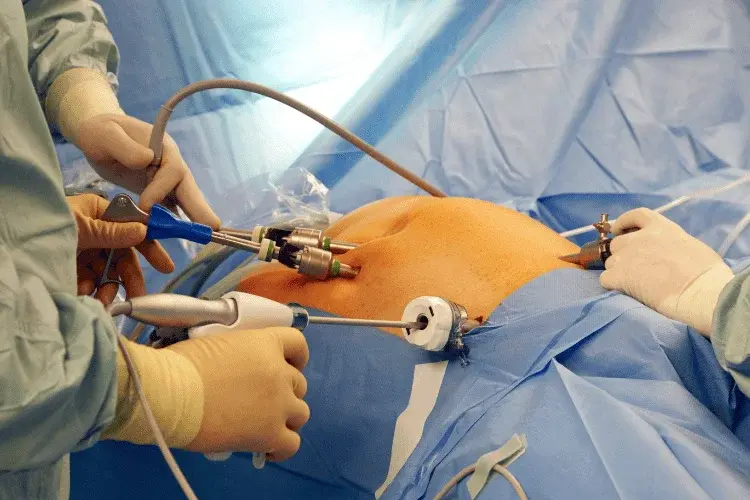
Peritoneal cancers and advanced abdominal malignancies often require specialized treatment approaches beyond conventional surgery and systemic chemotherapy. One of the most advanced treatment options available today is Hyperthermic Intraperitoneal Chemotherapy (HIPEC), a highly targeted therapy that combines cancer surgery with heated chemotherapy to improve outcomes in selected patients.
If you are searching for hyperthermic intraperitoneal chemotherapy Mumbai, Dr. Chintamani Godbole offers comprehensive evaluation and advanced HIPEC treatment for eligible patients at Gadre Hospital, Mumbai. With extensive expertise in colorectal and gastrointestinal cancer surgery, Dr. Godbole provides personalized treatment plans focused on achieving the best possible outcomes.
What is Hyperthermic Intraperitoneal Chemotherapy (HIPEC)?
Hyperthermic Intraperitoneal Chemotherapy (HIPEC) is a specialized cancer treatment performed immediately after cytoreductive surgery. During the procedure, heated chemotherapy drugs are circulated within the abdominal cavity to destroy microscopic cancer cells that may remain after visible tumors have been surgically removed.
Unlike traditional chemotherapy, which travels throughout the body via the bloodstream, HIPEC delivers chemotherapy directly to the affected area. This targeted approach allows higher concentrations of chemotherapy to reach cancer cells while minimizing systemic side effects.
HIPEC has emerged as an important treatment option for selected patients with cancers that have spread within the abdominal cavity.
Conditions Treated with HIPEC
HIPEC may be recommended for various abdominal and peritoneal cancers, including:
Colorectal Cancer with Peritoneal Spread
Patients with colorectal cancer that has spread to the peritoneum may benefit from cytoreductive surgery combined with HIPEC.
Appendiceal Cancer
Certain appendiceal tumors, including pseudomyxoma peritonei, are commonly treated using HIPEC.
Ovarian Cancer
Selected patients with recurrent or advanced ovarian cancer may be candidates for this treatment.
Peritoneal Mesothelioma
HIPEC is often used as part of a comprehensive treatment plan for peritoneal mesothelioma.
Gastric Cancer with Limited Peritoneal Disease
In carefully selected cases, HIPEC may be considered as part of advanced cancer management.
How Does HIPEC Work?
HIPEC is performed in two major stages:
Step 1: Cytoreductive Surgery
The surgeon removes all visible cancerous deposits from the abdominal cavity. This process is called cytoreduction and is critical to the success of the treatment.
Step 2: Heated Chemotherapy Administration
Once tumor removal is completed, a heated chemotherapy solution is circulated throughout the abdominal cavity for a specified duration.
The chemotherapy is typically heated to approximately 41–43°C. Heat enhances the effectiveness of chemotherapy by increasing penetration into tissues and improving cancer cell destruction.
After treatment, the chemotherapy solution is removed, and the surgical procedure is completed.
Benefits of HIPEC
Hyperthermic Intraperitoneal Chemotherapy offers several potential advantages:
Targeted Treatment
Chemotherapy is delivered directly to the area where cancer cells are most likely to remain.
Higher Drug Concentration
HIPEC allows higher local concentrations of chemotherapy compared to intravenous administration.
Reduced Systemic Side Effects
Since chemotherapy remains largely confined within the abdominal cavity, exposure to the rest of the body is reduced.
Enhanced Effectiveness
Heat improves chemotherapy absorption and increases cancer cell sensitivity to treatment.
Improved Disease Control
In selected patients, HIPEC may improve survival outcomes and reduce recurrence risk.
Who is a Candidate for HIPEC?
Not every patient with abdominal cancer is suitable for HIPEC. The ideal candidate is determined after a detailed evaluation that may include:
- Medical history assessment
- Imaging studies such as CT scans
- Cancer staging investigations
- Evaluation of overall health and fitness for surgery
Factors such as cancer type, extent of disease, age, and general health influence treatment eligibility.
A comprehensive consultation with Dr. Chintamani Godbole helps determine whether HIPEC is an appropriate treatment option.
Why Choose Dr. Chintamani Godbole for HIPEC?
When considering hyperthermic intraperitoneal chemotherapy Mumbai, selecting an experienced specialist is essential.
Advanced Qualifications
Dr. Chintamani Godbole is a highly trained gastrointestinal and colorectal surgeon with specialized expertise in managing complex abdominal diseases and cancer surgeries. Her advanced surgical training enables her to provide evidence-based treatment strategies tailored to individual patient needs.
Extensive Clinical Experience
Over years of dedicated surgical practice, Dr. Godbole has gained extensive experience in colorectal surgery, gastrointestinal oncology, minimally invasive surgery, and advanced abdominal procedures. Her clinical expertise allows her to manage complex cancer cases with precision and confidence.
Expertise in Colorectal and Gastrointestinal Surgery
Recognized as a leading Colorectal Surgeon in Mumbai, Dr. Godbole specializes in the diagnosis and treatment of colorectal cancers, inflammatory bowel disease, rectal disorders, gastrointestinal malignancies, and advanced cancer surgeries including HIPEC procedures.
Her multidisciplinary approach ensures comprehensive patient care from diagnosis through recovery.
Patient-Centered Treatment Environment
At Gadre Hospital, patients benefit from a supportive and professional healthcare environment equipped with modern surgical facilities and advanced diagnostic capabilities. The hospital focuses on patient safety, comfort, and high-quality care throughout the treatment journey.
Trusted Gastrointestinal Specialist
Many patients regard Dr. Godbole as one of the preferred specialists and a Best Doctor for Gastroenterology in Mumbai due to her commitment to clinical excellence, compassionate patient care, and expertise in managing complex gastrointestinal conditions.
Recovery After HIPEC Surgery
Recovery following HIPEC varies depending on the extent of surgery and individual patient factors.
Patients can generally expect:
- Hospital stay for close monitoring
- Pain management and supportive care
- Gradual return to oral nutrition
- Regular follow-up assessments
- Personalized rehabilitation guidance
Dr. Godbole and her team closely monitor recovery progress to ensure optimal healing and long-term outcomes.
Importance of Early Specialist Evaluation
Peritoneal cancers often require highly specialized management. Early referral to an experienced gastrointestinal and colorectal surgeon can help determine the most appropriate treatment options and improve overall outcomes.
Timely diagnosis and intervention may significantly impact treatment success and quality of life.
Contact Details
📞 81087 91470
📧 drchintamanigodbole@gmail.com
Schedule Your Consultation Today
If you or a loved one has been diagnosed with peritoneal cancer, colorectal cancer with abdominal spread, or another condition that may require advanced cancer treatment, consult Dr. Chintamani Godbole at Gadre Hospital for a detailed evaluation.
Her expertise in colorectal surgery, gastrointestinal oncology, and HIPEC treatment can help you explore the most effective treatment options available.
Frequently Asked Questions (FAQs)
1. What is the purpose of HIPEC treatment?
HIPEC aims to eliminate microscopic cancer cells remaining after tumor removal surgery by delivering heated chemotherapy directly into the abdominal cavity.
2. Is HIPEC better than traditional chemotherapy?
HIPEC is not a replacement for systemic chemotherapy in every case. It is a specialized treatment used in selected patients where targeted abdominal chemotherapy may provide additional benefits.
3. How long does HIPEC surgery take?
The procedure duration varies depending on the complexity of cytoreductive surgery and individual patient requirements. It can often take several hours.
4. Is recovery after HIPEC surgery difficult?
Recovery varies among patients. Since HIPEC is usually combined with major abdominal surgery, patients require close monitoring and a structured recovery plan under specialist supervision.