
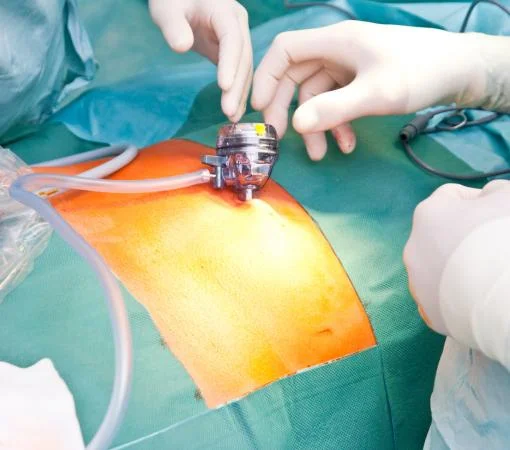
Back pain, neck pain, slipped discs, spinal stenosis, and nerve compression can significantly affect daily life, limiting mobility and reducing overall quality of life. While many spinal conditions improve with medication, physiotherapy, and lifestyle modifications, some patients require surgical intervention to relieve persistent symptoms and restore function. Modern surgical advancements now allow many spinal procedures to be performed using minimally invasive techniques that reduce tissue damage and promote quicker recovery.
If you are looking for Minimally invasive spine surgery in Mumbai, choosing an experienced spine team is essential for accurate diagnosis, personalized treatment planning, and optimal outcomes. At Synapse Spine, patients receive comprehensive spine care from highly experienced specialists who combine advanced technology with evidence-based surgical techniques to manage a wide range of spinal disorders.
Understanding Minimally Invasive Spine Surgery in Mumbai
Minimally invasive spine surgery in Mumbai involves performing spinal procedures through small incisions using specialized instruments, high-definition imaging, operating microscopes, or endoscopic systems. Unlike traditional open spine surgery, these techniques minimize muscle disruption while providing surgeons with excellent visualization of the affected area.
The primary goals of minimally invasive spine surgery include:
- Relieving nerve compression
- Stabilizing the spine
- Reducing pain
- Improving mobility
- Preserving healthy surrounding tissues
- Promoting faster recovery
The suitability of minimally invasive surgery depends on the patient’s diagnosis, overall health, spinal anatomy, and severity of the condition.
Conditions That May Benefit from Minimally Invasive Spine Surgery
Not every spinal disorder requires surgery, but minimally invasive techniques may be recommended for carefully selected patients with:
- Lumbar disc prolapse (slipped disc)
- Cervical disc herniation
- Lumbar spinal stenosis
- Cervical spinal stenosis
- Sciatica
- Degenerative disc disease
- Spondylolisthesis
- Spinal instability
- Facet joint disorders
- Certain spinal fractures
Each patient undergoes a detailed evaluation before surgery is considered.
Common Symptoms That Require Specialist Evaluation
Patients should consult a spine specialist if they experience:
- Persistent back pain
- Neck pain
- Pain radiating into the arms or legs
- Numbness or tingling
- Muscle weakness
- Difficulty walking
- Balance problems
- Loss of bladder or bowel control (medical emergency)
- Symptoms that do not improve with conservative treatment
Early diagnosis often improves treatment outcomes and may prevent permanent nerve damage.
Diagnostic Evaluation
Comprehensive assessment helps determine the most appropriate treatment plan.
Investigations may include:
- Detailed clinical examination
- Neurological assessment
- X-rays
- MRI scan
- CT scan
- Dynamic spinal imaging
- Bone density assessment when indicated
- Electrophysiological studies in selected cases
These investigations help identify the exact cause of symptoms and guide surgical planning.
Types of Minimally Invasive Spine Procedures
Depending on the diagnosis, various procedures may be recommended.
Microdiscectomy
Removal of a herniated disc compressing a spinal nerve through a small incision.
Endoscopic Spine Surgery
An ultra-minimally invasive procedure using an endoscope to treat selected disc and nerve compression conditions.
Minimally Invasive Spinal Decompression
Removal of structures compressing spinal nerves while preserving normal anatomy.
Minimally Invasive Spinal Fusion
Stabilization of unstable spinal segments using specialized implants through smaller incisions.
Vertebral Fracture Stabilization
Selected spinal fractures may be managed using minimally invasive techniques such as vertebroplasty or kyphoplasty where appropriate.
Treatment is individualized according to each patient’s condition and overall health.
Benefits of Minimally Invasive Spine Surgery
Compared with conventional surgery, potential advantages may include:
- Smaller incisions
- Less muscle injury
- Reduced blood loss
- Lower postoperative pain
- Faster recovery
- Shorter hospital stay
- Earlier return to daily activities
- Reduced infection risk
- Improved cosmetic appearance of scars
Individual outcomes vary depending on the underlying spinal condition.
Benefits and Possible Risks
Benefits
- Precision surgery
- Reduced tissue damage
- Faster rehabilitation
- Better preservation of spinal muscles
- Earlier mobilization
- Customized treatment planning
Possible Risks
As with any spinal procedure, potential risks include:
- Infection
- Bleeding
- Nerve injury
- Cerebrospinal fluid leak
- Blood clots
- Implant-related complications (where applicable)
- Persistent or recurrent symptoms
These risks are minimized through careful patient selection, advanced surgical planning, and experienced spine surgeons.
Approximate Cost
The cost of minimally invasive spine surgery depends on several factors:
- Type of spinal disorder
- Complexity of surgery
- Number of spinal levels treated
- Implant requirements
- Hospital stay
- Diagnostic investigations
- Individual treatment plan
A detailed consultation is necessary to provide an accurate estimate based on the patient’s condition.
Precautions Before and After Surgery
Before Surgery
- Complete all recommended imaging studies.
- Inform the surgeon about medications and medical conditions.
- Stop smoking if advised.
- Maintain good nutrition.
- Follow preoperative fasting instructions.
After Surgery
- Follow physiotherapy recommendations.
- Avoid heavy lifting during recovery.
- Attend regular follow-up appointments.
- Perform prescribed rehabilitation exercises.
- Maintain proper posture.
- Resume activities gradually under medical guidance.
Compliance with postoperative instructions supports optimal recovery and long-term spine health.
Meet the Synapse Spine Surgeons
Patients seeking specialized spine care often look for a Top Spine Specialist in Mumbai, India with expertise in both conservative and advanced surgical management of spinal disorders.
The Synapse Spine surgeons are highly qualified spine specialists with extensive training and clinical experience in treating a broad spectrum of spinal conditions. Their expertise includes minimally invasive spine surgery, endoscopic spine surgery, spinal deformity correction, cervical and lumbar spine procedures, scoliosis management, spinal trauma, degenerative spine disorders, and complex revision spine surgeries. The team is committed to evidence-based care, individualized treatment planning, and adopting the latest technological advancements in spine surgery.
At Synapse Spine, patients are treated in a modern, multidisciplinary spine center equipped with advanced diagnostic imaging, state-of-the-art operation theatres, navigation-assisted surgical technology, high-definition endoscopic systems, and comprehensive rehabilitation services. Every patient benefits from a collaborative approach that emphasizes accurate diagnosis, personalized care, patient education, and long-term functional recovery.
Why Choose Synapse Spine?
Synapse Spine is dedicated exclusively to comprehensive spine care with a focus on advanced technology and patient-centered treatment.
Key highlights include:
- Experienced Synapse Spine surgeons
- Specialized spine-focused practice
- Advanced minimally invasive and endoscopic spine surgery
- Personalized treatment plans
- Modern diagnostic and surgical infrastructure
- Multidisciplinary rehabilitation support
- Evidence-based clinical protocols
- Comprehensive postoperative follow-up
Contact Synapse Spine
📞 +91 81698 45056 | +91 93726 71858 | +91 93211 24611
📧 synapsespine@gmail.com
Get Directions to the Clinic – Synapse Spine, Mumbai
Persistent back pain, neck pain, or nerve-related symptoms should not be ignored. Schedule a consultation with the experienced Synapse Spine team for a comprehensive spine evaluation and a personalized treatment plan. Whether you require conservative management or advanced minimally invasive surgery, the specialists will guide you through every step of your care.
Frequently Asked Questions
1. Who is a suitable candidate for minimally invasive spine surgery?
Patients with conditions such as herniated discs, spinal stenosis, degenerative disc disease, or selected cases of spinal instability may be suitable candidates after a detailed evaluation by a spine specialist.
2. Is minimally invasive spine surgery safer than traditional open surgery?
For appropriately selected patients, minimally invasive techniques may reduce muscle damage, blood loss, postoperative pain, and recovery time. However, the best surgical approach depends on the specific spinal condition.
3. How long does recovery take after minimally invasive spine surgery?
Recovery varies depending on the procedure and individual health. Many patients begin walking within a day and gradually return to normal activities under medical supervision.
4. Can minimally invasive surgery treat all spinal disorders?
No. While many conditions can be managed using minimally invasive techniques, some complex spinal deformities or extensive diseases may still require conventional open surgery.