
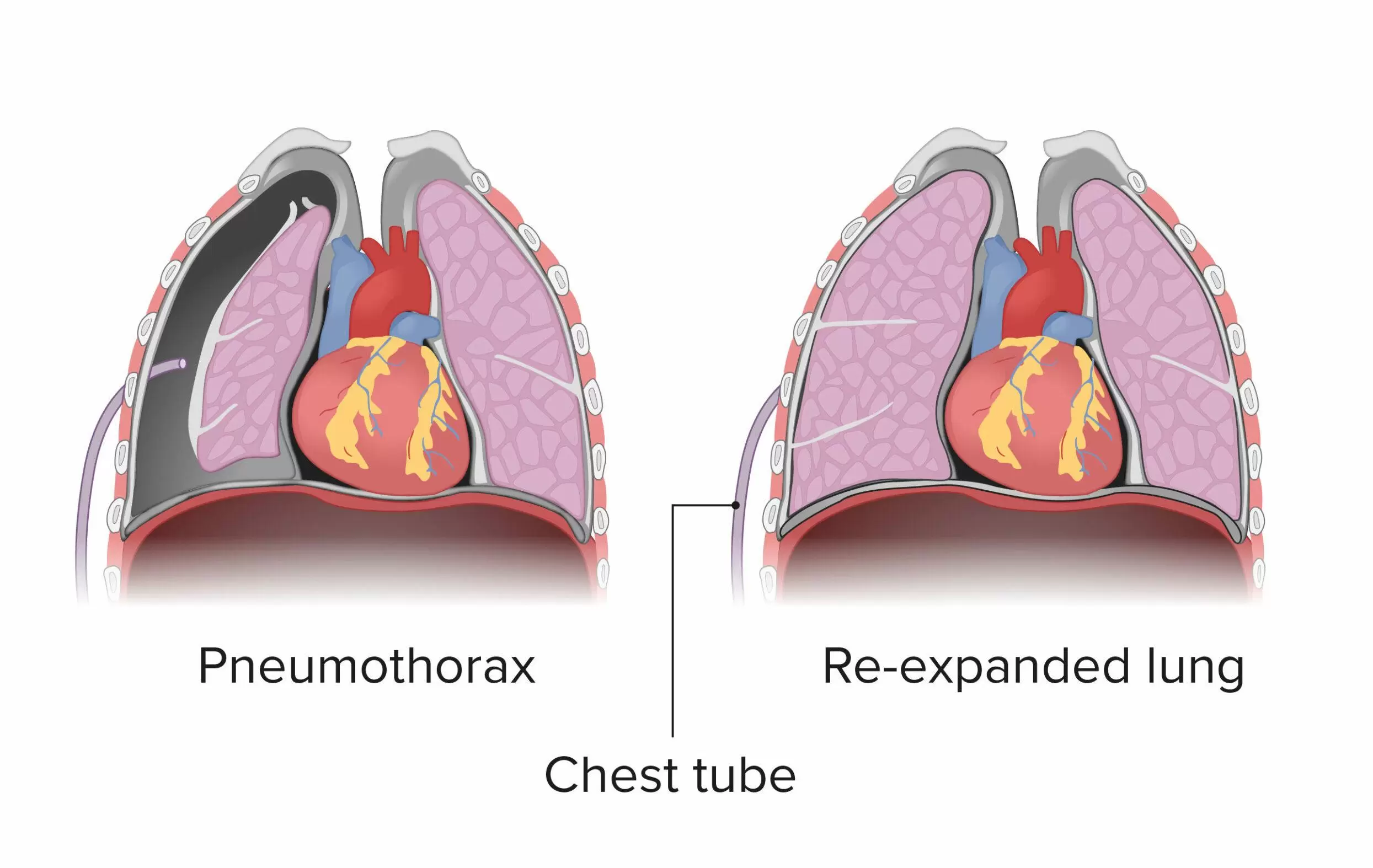
Breathing comfortably is essential for everyday health. However, when excess fluid accumulates in the space surrounding the lungs, even routine activities such as walking, climbing stairs or lying down can become difficult. This condition is known as pleural effusion. It can develop due to infections, tuberculosis, heart conditions, cancer and several other medical problems.
Early diagnosis and appropriate treatment are important to relieve symptoms and identify the underlying cause. Consulting an experienced pleural effusion specialist in mumbai can help patients understand their condition and explore suitable treatment options. Dr. Parthiv Shah, Consultant Chest Physician at Sparsh Super Speciality Lung Clinic, Borivali East, provides evaluation and treatment for pleural diseases and other respiratory conditions.
What Is Pleural Effusion?
The pleura is a thin membrane that covers the lungs and lines the inside of the chest cavity. A small amount of fluid normally exists between these layers, allowing the lungs to move smoothly during breathing.
Pleural effusion occurs when excess fluid collects in this space. As the fluid builds up, it can compress the lung and restrict its ability to expand fully.
The condition may affect one or both sides of the chest. Its severity depends on the amount of fluid, the underlying cause and the patient’s overall health. Some cases develop gradually, while others cause noticeable breathing difficulties over a short period.
What Causes Pleural Effusion?
Pleural effusion is not a disease by itself. It is usually a sign of an underlying medical condition that needs investigation.
Common causes include:
- Tuberculosis: TB can affect the pleura and cause fluid accumulation.
- Pneumonia: Lung infections may lead to inflammation and fluid collection around the lungs.
- Heart failure: Increased pressure and fluid retention can contribute to pleural effusion.
- Cancer: Lung cancer and cancers that spread to the pleura may cause recurrent fluid accumulation.
- Liver or kidney disease: Certain conditions can affect the body’s fluid balance.
- Pulmonary embolism: Blood clots in the lungs can sometimes cause pleural inflammation and fluid.
Identifying the cause is essential because treatment must address both the fluid and the underlying condition.
Symptoms of Pleural Effusion
Some patients with a small amount of pleural fluid may not experience noticeable symptoms. Larger fluid collections can cause discomfort and breathing problems.
Common symptoms include:
- Shortness of breath, particularly during physical activity.
- Chest pain that may become worse with deep breathing or coughing.
- Persistent dry cough.
- Fever or chills when an infection is present.
- Fatigue and reduced exercise tolerance.
- Difficulty lying flat in some cases.
Sudden or severe breathlessness, intense chest pain, fainting or bluish discoloration of the lips requires urgent medical attention. Do not delay evaluation if breathing becomes difficult.
How Is Pleural Effusion Diagnosed?
Diagnosis involves understanding the patient’s symptoms, medical history and imaging findings. A pulmonologist may recommend one or more of the following investigations.
1. Chest X-ray
A chest X-ray can reveal fluid accumulation around the lungs and provide an initial assessment of its extent.
2. Chest Ultrasound
Ultrasound helps identify the amount and location of fluid. It can also guide procedures such as pleural tapping.
3. CT Scan
A CT scan provides detailed images of the chest and may help identify underlying lung abnormalities, pleural thickening, infection or suspicious lesions.
4. Pleural Fluid Analysis
A procedure called thoracentesis or pleural tapping may be performed to collect a sample of fluid. Laboratory testing can help identify infection, inflammation, blood or malignant cells.
The investigations recommended depend on the patient’s symptoms and clinical findings.
Treatment Options for Pleural Effusion
Treatment depends on the cause, amount of fluid, symptoms and overall health of the patient. Not every pleural effusion requires the same procedure.
1. Medical Management
When fluid accumulation is related to conditions such as heart failure or infection, treatment may include medicines directed at the underlying condition. Antibiotics may be required for bacterial infections, while tuberculosis requires an appropriate anti-tuberculosis treatment plan.
2. Pleural Tapping (Thoracentesis)
Pleural tapping involves inserting a needle or catheter into the pleural space to remove excess fluid. It can help relieve breathlessness and provide a sample for diagnostic testing.
The procedure is commonly performed with imaging guidance to improve accuracy and safety.
3. Chest Tube Insertion
When a larger amount of fluid needs to be drained, or when the fluid is infected and forms a complicated collection, a chest tube may be recommended. A flexible tube is inserted between the ribs and connected to a drainage system.
The tube remains in place until the treating team determines that adequate drainage has occurred and removal is appropriate.
4. Thoracoscopy and Other Procedures
For selected patients with recurrent or complicated pleural effusion, thoracoscopy may help doctors examine the pleural space, obtain tissue samples or perform specific treatments.
In patients with recurrent malignant pleural effusion, procedures such as pleurodesis or placement of an indwelling pleural catheter may be considered. The choice depends on the cancer diagnosis, lung expansion and the patient’s overall condition.
Why Choose Dr. Parthiv Shah for Pleural Effusion Treatment?
Dr. Parthiv Shah is a Consultant Chest Physician with more than eight years of experience in respiratory medicine, according to his published professional profile.
His qualifications include MBBS, MD in Pulmonary Medicine, DNB in Pulmonary Medicine, a Fellowship in Pulmonary Diseases and Intensive Care from LTMG Hospital, Sion, Mumbai, and the European Diploma in Adult Respiratory Medicine (EDARM). His profile also lists FPCC among his professional qualifications.
His clinical expertise includes pleural diseases, asthma, COPD, pulmonary infections, MDR-TB, allergies and obstructive sleep apnoea. He performs procedures such as pleural tapping, bronchoscopy and thoracoscopy, and also offers allergy testing and sleep studies.
Patients looking for the Best Pulmonologist in Mumbai or a Chest Physician in Borivali can consider his respiratory medicine qualifications, procedural experience and approach to individualized patient care when choosing a specialist.
Sparsh Super Speciality Lung Clinic: Focused Respiratory Care
Sparsh Super Speciality Lung Clinic is located in Borivali East and is led by Dr. Parthiv Shah. The clinic focuses on respiratory health and the evaluation and management of lung conditions.
Patients can consult the doctor for concerns involving pleural effusion, persistent cough, breathlessness, asthma, COPD, tuberculosis and other respiratory disorders. The clinic’s published information highlights a patient-focused approach that emphasizes transparency, communication and avoiding unnecessary investigations.
The clinic also provides access to respiratory procedures and diagnostic services through the doctor’s practice. Depending on the patient’s condition, further investigations or hospital-based treatment may be recommended.
Consult a Pleural Effusion Specialist in Mumbai
Pleural effusion should never be treated as simply a fluid-related problem. Finding out why the fluid has accumulated is an important part of successful management. Timely evaluation can help relieve symptoms, guide appropriate treatment and identify potentially serious underlying conditions.
If you are experiencing breathlessness, persistent chest discomfort or have been diagnosed with fluid around your lungs, consult Dr. Parthiv Shah at Sparsh Super Speciality Lung Clinic. An individualized assessment can help determine the most suitable diagnostic and treatment approach.
📍 SparshSuper Speciality Lung Clinic
Contact the clinic to schedule an appointment and discuss your respiratory concerns.
Frequently Asked Questions
1. Is pleural effusion a serious condition?
Pleural effusion can range from mild to serious, depending on its cause and severity. It may be associated with infections, heart failure, tuberculosis or cancer. Medical evaluation is important to identify the cause and decide on treatment.
2. Can pleural effusion go away without surgery?
Some cases improve when the underlying condition is treated. Small fluid collections may only require monitoring, while larger or symptomatic effusions may need pleural tapping or chest tube drainage. Surgery is not required in every case.
3. Is pleural tapping painful?
Pleural tapping is generally performed using local anaesthesia to numb the area. Patients may experience pressure or temporary discomfort. The doctor explains the procedure, benefits and possible risks beforehand.
4. Can pleural effusion come back after treatment?
Yes. Fluid can reaccumulate if the underlying cause persists. Recurrent cases may require additional investigations or procedures such as pleurodesis or an indwelling pleural catheter, depending on the diagnosis.