
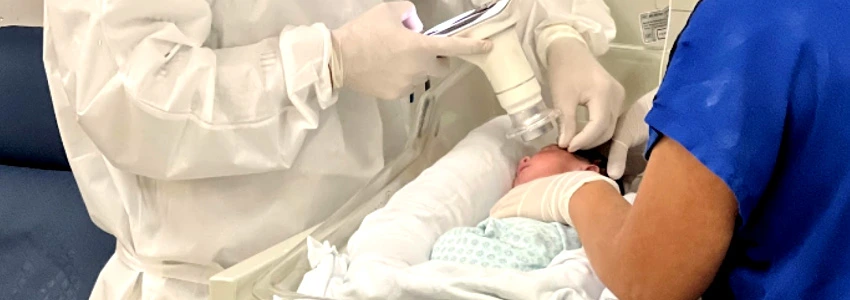
The birth of a premature baby brings happiness as well as additional healthcare responsibilities for parents. Since premature infants are born before their eyes and other organs have fully developed, they may face certain health complications that require specialised medical attention. One important condition parents should know about is Retinopathy of Prematurity (ROP), an eye disorder that can affect the normal development of the retina and potentially cause permanent vision loss if left undetected.
Timely screening is essential for identifying this condition and ensuring that appropriate treatment can be provided when required. If you are searching for ROP screening for premature babies Greater Noida, Dr. Tanima Bansal at Oculus Eye Clinic offers specialised ophthalmic care and retinal evaluation to help identify eye conditions in infants. Early diagnosis, regular monitoring and timely intervention play an important role in protecting a premature baby’s developing vision.
What Is Retinopathy of Prematurity (ROP)?
Retinopathy of Prematurity is an eye condition that primarily affects babies born prematurely. It develops when the blood vessels supplying the retina do not develop normally. The retina is the light-sensitive tissue at the back of the eye responsible for sending visual information to the brain.
In premature babies, retinal blood vessels may still be developing at the time of birth. This incomplete development can lead to abnormal blood vessel growth, which may cause bleeding, scar tissue formation and, in severe cases, retinal detachment.
Not every premature baby develops severe ROP. However, early screening is important because the condition may not produce noticeable symptoms during its initial stages.
Parents looking for ROP screening for premature babies Greater Noida should understand that regular examinations are necessary even when their baby appears comfortable and responds normally to light.
Why Is ROP Screening Important for Premature Babies?
ROP can progress without obvious external signs. Parents may not notice any changes in their baby’s eyes until the condition becomes advanced. This makes professional retinal examination extremely important.
The main benefits of timely ROP screening include:
- Early Detection: Identifies abnormal retinal blood vessel development before visible symptoms appear.
- Prevention of Vision Loss: Helps doctors identify babies who may require timely treatment.
- Monitoring Retinal Development: Allows specialists to observe whether ROP is improving, progressing or remaining stable.
- Timely Medical Intervention: Helps determine when treatments such as laser therapy or other appropriate procedures may be necessary.
- Better Visual Outcomes: Early identification and appropriate management can reduce the risk of serious vision complications.
ROP screening is not simply a routine eye check-up. It is a specialised examination that requires knowledge of premature infant eye development and appropriate retinal assessment.
Which Babies Need ROP Screening?
ROP screening is generally recommended for premature infants who meet established medical eligibility criteria.
Babies who may require screening include:
- Infants born before 31 weeks of gestation.
- Babies with a birth weight below 1,500 grams.
- Premature infants who have experienced an unstable clinical course.
- Babies requiring prolonged oxygen support or intensive neonatal care.
- Infants identified as high-risk by their neonatologist.
Some babies with higher birth weights or gestational ages may also need screening depending on their medical condition and neonatal history.
Parents should follow the screening recommendation provided by their neonatologist rather than waiting for symptoms to develop.
When Should ROP Screening Be Done?
The timing of the first ROP examination depends on the baby’s gestational age at birth and overall medical history.
In many cases, the initial examination is scheduled within the first few weeks after birth, commonly around four to nine weeks after birth depending on the infant’s risk profile and applicable screening protocol.
The ophthalmologist may use dilating eye drops to widen the pupils and obtain a clear view of the retina. A specialised examination helps assess retinal blood vessel development and identify any abnormal growth.
Regular follow-up examinations are equally important because ROP can change as the baby’s retina develops.
Parents searching for ROP screening for premature babies Greater Noida should arrange the first examination according to the schedule advised by their neonatologist and ophthalmologist.
How Is ROP Screening Performed?
ROP screening involves a specialised examination of the baby’s retina. The process generally includes the following steps:
1. Reviewing the Baby’s Medical History
The ophthalmologist reviews gestational age, birth weight, neonatal records, oxygen exposure and other relevant medical information to understand the baby’s risk factors.
2. Pupil Dilation
Special eye drops are administered to dilate the pupils. This allows the doctor to examine the retina more effectively.
3. Retinal Examination
Indirect ophthalmoscopy is commonly used to examine the retina with a specialised light source and lens. The doctor evaluates the development of retinal blood vessels and checks for abnormal growth.
4. Classification and Staging
ROP is classified into five stages depending on its severity:
- Stage 1: Mild abnormal blood vessel development.
- Stage 2: More pronounced abnormal development.
- Stage 3: Abnormal blood vessel growth extending into the vitreous.
- Stage 4: Partial retinal detachment.
- Stage 5: Total retinal detachment.
The doctor also evaluates the location and extent of the affected retina and whether additional high-risk features are present.
5. Follow-Up and Treatment Planning
Depending on the findings, the ophthalmologist recommends repeat examinations or treatment. Babies with treatment-requiring ROP need prompt intervention and continued monitoring.
Why Choose Dr. Tanima Bansal for ROP Screening in Greater Noida?
Choosing an experienced ophthalmologist is important when it comes to evaluating the developing eyes of premature infants.
Dr. Tanima Bansal is a highly qualified ophthalmologist and Co-Founder of Oculus Eye Clinic. She completed her MBBS as a Gold Medallist from Shri Ram Murti Smarak Institute, Bareilly, followed by an MS in Ophthalmology from Baroda Medical College, Vadodara.
She also received fellowship training at Dr. Shroff’s Charity Eye Hospital, New Delhi, and has specialised expertise in glaucoma and anterior segment surgery.
With more than 15 years of clinical experience and over 5,000 phacoemulsification surgeries, Dr. Bansal brings extensive ophthalmic knowledge and surgical experience to patient care.
Her approach emphasises careful examination, clear communication, identifying the underlying cause of eye problems and recommending treatment only when necessary.
Parents looking for the Best Eye Specialist in Greater Noida can consult Dr. Tanima Bansal for professional eye care and guidance regarding their child’s screening requirements.
Advanced Eye Care Environment at Oculus Eye Clinic
Oculus Eye Clinic is a dedicated eye care facility in Greater Noida, co-founded by Dr. Tanima Bansal and Dr. Payal Gupta. The clinic combines modern ophthalmic technology with a patient-focused approach to provide comprehensive eye care.
Its facilities and services include:
- Comprehensive eye examinations.
- Retina check-ups and diabetic retinopathy screening.
- Paediatric eye care.
- Glaucoma evaluation and management.
- Intraocular pressure testing.
- Cataract assessment and microincision cataract surgery.
- ROP screening for premature infants.
- Squint and lazy eye therapy.
The clinic focuses on creating a comfortable and reassuring environment for patients and families. Its friendly professional team and individualised treatment approach help parents understand examination findings and recommended follow-up care.
If you are looking for the Best Eye Clinic in Greater Noida, Oculus Eye Clinic offers a range of ophthalmic services for adults and children.
What Happens If ROP Is Detected?
Not every baby diagnosed with ROP requires treatment. Mild cases may improve naturally as the retinal blood vessels continue developing.
However, some babies may develop severe ROP that requires timely medical intervention.
Depending on the stage and clinical findings, treatment options may include:
- Laser Photocoagulation: Uses laser energy to treat areas of the retina where blood vessels have not developed normally.
- Anti-VEGF Injections: Certain medications may be injected into the eye to control abnormal blood vessel growth in selected cases.
- Surgical Treatment: Advanced cases involving retinal detachment may require specialised retinal surgery.
The choice of treatment depends on the baby’s condition and must be determined by an experienced ophthalmologist. Regular examinations are essential even after treatment to monitor retinal development and visual outcomes.
Book an Appointment for ROP Screening at Oculus Eye Clinic
A premature baby’s vision deserves special attention from the earliest stages of life. Since ROP may develop without noticeable symptoms, following the recommended screening schedule is essential for identifying potential complications before they become severe.
If you are searching for ROP screening for premature babies Greater Noida, consult Dr. Tanima Bansal at Oculus Eye Clinic for professional ophthalmic evaluation and guidance.
Clinic Contact Details:
📞 +91 9354259073
📧 eyeclinicoculus@gmail.com
Get Directions to the Clinic – Oculus Eye Clinic, Greater Noida
Contact the clinic today to schedule an appointment with Dr. Tanima Bansal. Timely screening and appropriate follow-up can make an important difference in protecting your premature baby’s developing vision.
Frequently Asked Questions (FAQs)
1. What is ROP screening in premature babies?
ROP screening is a specialised retinal examination performed to identify abnormal blood vessel development in premature infants. It helps detect Retinopathy of Prematurity early and determine whether monitoring or treatment is required.
2. When should premature babies undergo their first ROP screening?
The first examination is generally scheduled according to the baby’s gestational age and birth history, often within four to nine weeks after birth. Parents should follow the specific screening schedule advised by their neonatologist and ophthalmologist.
3. Can Retinopathy of Prematurity cause permanent blindness?
Yes. Severe untreated ROP can cause retinal detachment and permanent vision loss. However, timely screening and appropriate treatment can significantly reduce the risk of serious complications.
4. Where can parents get ROP screening in Greater Noida?
Parents can consult Dr. Tanima Bansal at Oculus Eye Clinic, located in Beta II, Greater Noida. Call +91 9354259073 to enquire about an appointment and screening requirements.