
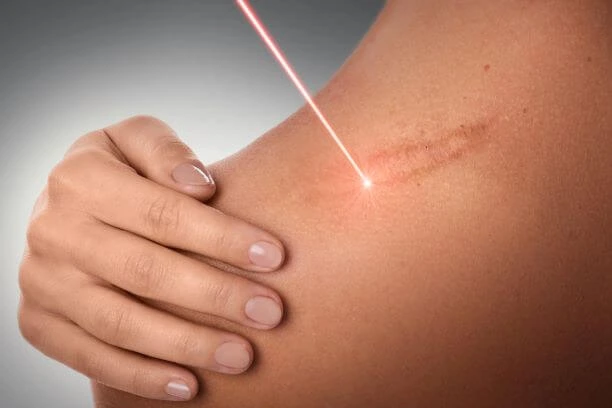
Scars can develop after injuries, accidents, burns, acne, infections, previous surgeries, or other skin conditions. While scars are a natural part of the healing process, some may remain prominent, raised, depressed, irregular, or uncomfortable. In certain cases, scars can also restrict movement or affect the function of nearby skin and tissues. Modern dermatological and aesthetic procedures can help improve the appearance and texture of selected scars, and Scar revision treatment in Mumbai can offer personalized options based on the type, location, and severity of the scar.
Scar revision treatment in Mumbai involves a personalized approach to reduce the visibility of scars and, where appropriate, improve associated functional concerns. The treatment selected depends on the scar’s type, location, size, depth, age, and the individual’s skin characteristics. At Viva Aesthetic Clinic, Dr. Deepam Shah evaluates the scar and recommends an appropriate treatment approach based on the patient’s concerns and clinical requirements.
What Is Scar Revision?
Scar revision refers to procedures designed to improve the appearance of an existing scar. The objective is not necessarily to erase a scar completely but to make it less noticeable, smoother, more even, or better integrated with the surrounding skin.
Some scars are treated for aesthetic reasons, while others may require intervention because they cause pain, discomfort, tightness, or restricted movement. Scar revision may involve repositioning a scar, reducing scar tissue, resurfacing the skin, or surgically removing and closing problematic scar tissue with careful suturing.
For individuals considering Scar revision treatment in Mumbai, an evaluation by a qualified dermatologist or aesthetic specialist can help determine which technique is appropriate.
Which Types of Scars Can Be Treated?
Different scars respond differently to treatment. Viva Aesthetic Clinic describes several scar types that may be considered for revision, including:
- Acne scars: These may include boxcar, rolling, ice-pick, or depressed scars.
- Burn scars: Burns can result in broad, puckered, or contracted scars.
- Facial scars: Scars on the face may be cosmetically noticeable or interfere with facial movement.
- Trauma scars: Injuries and previous surgeries may leave long, irregular, or prominent scars.
- Keloid scars: These are raised scars that extend beyond the original wound.
- Hypertrophic scars: These raised scars generally remain within the boundaries of the original injury.
- Contracture scars: These can tighten the skin and may restrict movement of nearby joints, muscles, or tendons.
- Infection-related scars: Certain infections, including chickenpox, can leave depressed or punched-out scars.
Because each scar is different, there is no single treatment suitable for every patient.
Treatment Options for Scar Revision
Depending on the type and severity of the scar, different techniques may be used individually or in combination.
Laser Treatment and Dermabrasion
Laser treatments and dermabrasion can be considered for selected depressed or superficial scars, particularly some acne scars. These procedures work by resurfacing the skin to improve its texture and create a more even appearance. They may be incorporated into a broader scar management plan.
Steroid Injections
Steroid injections may be used for certain raised scars, particularly keloids and some hypertrophic scars. They can help reduce the size and prominence of selected scars, although response varies between individuals.
Topical Treatments
Topical medications may form part of a scar management plan. They may be recommended alone or alongside other procedures depending on the scar and the patient’s skin condition.
Surgical Scar Revision
Surgical revision may be considered when a scar is large, broad, irregular, or unlikely to respond adequately to less-invasive approaches. During the procedure, scar tissue may be surgically removed or repositioned before the area is carefully closed with sutures designed to minimize the visibility of the new incision.
The choice between these approaches depends on the individual scar rather than simply its age or appearance.
What Happens During Scar Revision?
The treatment process begins with a consultation and assessment of the scar. The doctor considers its size, depth, location, texture, color, cause, and whether it affects movement or causes discomfort.
Some scar revision procedures are minimally invasive and may be performed using local anesthesia. Surgical revision can involve excision of scar tissue, repositioning of the scar, reduction of scar bulk, or refinement of the incision. Dissolvable sutures may be used where appropriate.
Laser treatment and dermabrasion may also require an anesthetic depending on the extent of treatment. Laser devices use controlled light energy to resurface the skin, while dermabrasion mechanically smooths irregular skin surfaces.
For appropriate candidates, Scar revision treatment in Mumbai can be tailored to the specific characteristics of the scar rather than relying on a one-size-fits-all procedure.
Recovery After Scar Revision
Recovery depends on the technique used and the size and location of the treated scar. According to Viva Aesthetic Clinic, some procedures may require only a few days of rest. Patients may initially notice that the scar appears more prominent before gradual improvement occurs during healing. Scar color can also fade as the healing process progresses.
Patients should follow all postoperative instructions regarding wound care, medications, activity restrictions, and follow-up visits. Protecting healing skin from excessive sun exposure may also be important, particularly when resurfacing procedures are performed.
The final appearance of a scar generally develops gradually, so patients should maintain realistic expectations and allow adequate time for healing.
Why Choose Dr. Deepam Shah for Scar Care?
Dr. Deepam Shah is an MD, DNB, FAM dermatologist, cosmetologist, and hair transplant surgeon practicing in South Mumbai. He completed his MBBS from the University of Bombay and subsequently obtained his DNB in Dermatology & Venereology from the University of Delhi. He also holds a Fellowship in Aesthetic Medicine, Hair Transplant, Dermatology, and Cosmetology from ILAMED. His recognitions include being a Best Post Graduate Student for the Galderma Institute and a Silver Medalist in the MUHS examination.
With more than a decade of experience in skin and hair treatments, Dr. Deepam Shah has expertise across dermatology, dermatosurgery, aesthetic medicine, laser treatments, cosmetology, and hair restoration. The clinic profile also describes his experience with numerous aesthetic procedures and more than 2,500 successful hair-transplant stories.
Viva Aesthetic Clinic is a 1,000-square-foot facility equipped with modern lasers, medical devices, and advanced aesthetic technology. The clinic emphasizes trained professionals, personalized care, and understanding the underlying cause of a patient’s concern before developing a treatment plan.
Patients looking for a Dermatologist in Mumbai for scar concerns can therefore discuss their individual skin condition and treatment expectations with Dr. Deepam Shah during a consultation.
What Makes a Good Scar Revision Plan?
A good treatment plan should consider the patient’s skin type, scar characteristics, medical history, and desired outcome. Not every scar needs surgery. Some may respond better to laser resurfacing, dermabrasion, topical treatment, or injections, while others may require surgical revision.
Consulting a qualified Skin Specialist in Mumbai can help determine whether the primary concern is pigmentation, texture, thickness, depression, or functional restriction. It also allows the treatment plan to be adjusted according to how the scar responds over time.
The goal of Scar revision treatment in Mumbai is generally improvement rather than complete scar elimination. Setting realistic expectations and following the recommended aftercare can contribute to a smoother recovery and more satisfactory outcome.
Frequently Asked Questions
1. Can every scar be completely removed?
No. Scar revision aims to make a scar less noticeable or improve its texture, size, color, or function. Complete removal cannot usually be guaranteed because scar formation is part of the body’s natural healing process.
2. Which treatment is best for acne scars?
The appropriate treatment depends on whether the acne scars are rolling, boxcar, ice-pick, depressed, or raised. Laser treatments and dermabrasion may be suitable for selected superficial or depressed scars, while other scar types may require different approaches.
3. How long does scar revision take?
The duration varies according to the treatment. Viva Aesthetic Clinic states that some scar revision procedures may take approximately 30 minutes and can be performed under local anesthesia, although more extensive procedures may require additional time.
4. How long does it take to recover?
Recovery varies according to the procedure. Some patients may need only a few days of rest, while healing and improvement of the scar continue over a longer period. The scar may initially appear more noticeable before gradually improving.
Consult Dr. Deepam Shah for Scar Revision
If a scar is affecting your confidence, appearance, comfort, or movement, professional evaluation can help identify the most appropriate treatment option. Dr. Deepam Shah and the Viva Aesthetic Clinic team provide personalized dermatological and aesthetic care using modern treatment technologies.
📞 +91 93245 89084 | 022 3573 1556
📧 clinicvivacosmetic@gmail.com
Get Directions to the Clinic: Viva Aesthetic Clinic, Mumbai
Book a consultation with Dr. Deepam Shah to understand your scar type and discuss suitable options for Scar revision treatment in Mumbai based on your individual skin needs.