
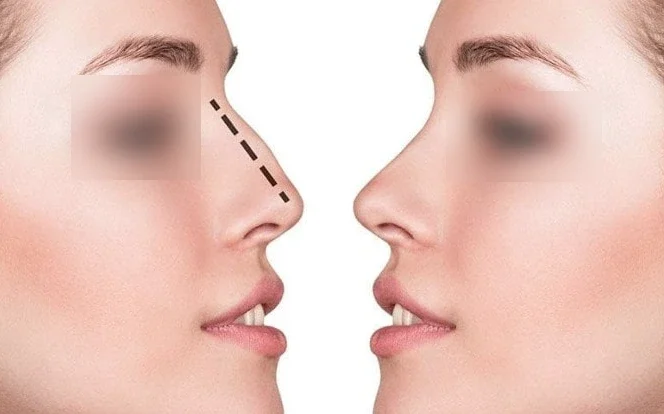
During my review of nasal breathing problems and their treatment options, Septoplasty surgery in Mumbai emerged as an important procedure for patients whose persistent nasal blockage is caused by a deviated nasal septum. A deviated septum can restrict airflow through one or both sides of the nose and may contribute to mouth breathing, snoring, recurrent sinus symptoms and disturbed sleep. At Kokilaben Dhirubhai Ambani Hospital, Dr. Shama S. Kovale evaluates nasal airway problems using clinical examination, nasal endoscopy and imaging when required before deciding whether septal correction is appropriate.
Septoplasty is primarily a functional procedure. Its objective is to straighten the nasal septum and improve airflow rather than change the external appearance of the nose.
What Is a Deviated Nasal Septum?
The nasal septum is the internal partition separating the right and left nasal passages. Ideally, it sits relatively centrally, allowing air to move efficiently through both sides.
In some people, the septum is naturally deviated. A deviation can also develop following an injury or trauma to the nose. The degree of deviation varies considerably, and not everyone with a deviated septum requires surgery.
Symptoms become more significant when the deviation interferes with breathing. Common complaints include persistent nasal blockage, difficulty breathing through one side of the nose, mouth breathing, snoring, dry mouth and recurrent nasal or sinus problems.
Septoplasty Surgery in Mumbai: When Is It Recommended?
Septoplasty surgery in Mumbai may be considered when a structural septal deviation causes persistent symptoms that do not adequately improve with appropriate medical treatment.
An ENT specialist may recommend evaluation when a patient experiences:
- Persistent or one-sided nasal congestion
- Difficulty breathing through the nose
- Frequent mouth breathing
- Snoring associated with nasal obstruction
- Recurrent sinus symptoms
- Dry mouth caused by prolonged mouth breathing
- Sleep disturbance related to poor nasal airflow
- Facial pressure associated with nasal obstruction
Not every blocked nose is caused by a deviated septum. Allergic rhinitis, enlarged turbinates, nasal polyps, chronic sinusitis and other conditions can also restrict airflow. Therefore, identifying the underlying cause is an important part of treatment planning.
How Is Septoplasty Diagnosed?
Diagnosis usually begins with a detailed history and examination of the nose. The doctor assesses the patient’s breathing pattern, symptoms, previous nasal injuries and response to medication.
At Dr. Shama Kovale’s practice, nasal endoscopy and high-definition imaging may be used to identify the location and extent of septal deviation and assess associated turbinate problems.
This assessment can also help determine whether another nasal condition is contributing to the symptoms. In some patients, septoplasty may be combined with turbinate reduction or sinus treatment when clinically appropriate.
How Is Septoplasty Performed?
Septoplasty involves correcting the deviated portions of the nasal septum to create a more functional nasal airway. The procedure is performed through the nose, so the objective is internal correction rather than an external cosmetic change.
The reference page describes septoplasty at Kokilaben Dhirubhai Ambani Hospital as a minimally invasive, daycare-based approach, with anaesthesia selected according to the patient’s circumstances and the complexity of the procedure.
The surgeon carefully preserves the structural support of the nose while correcting the portions of the septum responsible for obstruction.
In selected patients, turbinate volume reduction may also be performed to create additional space for airflow. If significant sinus disease is present, sinus treatment may be considered as part of the overall management plan.
Benefits of Septoplasty
The principal objective of Septoplasty surgery in Mumbai is to improve nasal airflow when a deviated septum is responsible for obstruction.
Potential benefits may include:
- Easier nasal breathing
- Reduced dependence on mouth breathing
- Better airflow during sleep
- Possible improvement in snoring when nasal obstruction contributes to it
- Improved sinus drainage in selected patients
- Reduced sensation of nasal blockage
- Better day-to-day comfort
However, the results depend on the actual cause of the patient’s symptoms. Septoplasty cannot treat every cause of nasal congestion, particularly when allergies or other inflammatory conditions are the primary problem.
Septoplasty and Turbinate Reduction
The nasal turbinates are structures inside the nose that help warm, humidify and filter inhaled air. When turbinates become enlarged, they can further narrow the nasal airway.
A patient may therefore have both a deviated septum and enlarged turbinates. In such situations, the treatment plan may include turbinate reduction along with septal correction.
Dr. Shama Kovale’s septoplasty approach specifically includes assessment of associated turbinate issues, with turbinate volume reduction considered where appropriate.
Recovery After Septoplasty
Recovery varies between individuals and depends on the extent of surgery and whether additional procedures are performed.
The reference information indicates that most patients can expect approximately 5–7 days before returning to work with light activities.
Post-operative care may include saline nasal rinses, breathing-related care and scheduled follow-up examinations. Patients should follow their surgeon’s instructions regarding physical activity, nasal care and medications.
It is important to remember that an improvement in airflow may occur progressively rather than immediately. Internal swelling during the early recovery period can temporarily make the nose feel blocked.
Risks and Limitations
Like any surgical procedure, septoplasty has potential risks. These may include bleeding, infection, persistent nasal obstruction, scarring, changes in smell or the possibility that symptoms may not completely resolve.
The likelihood of complications varies according to individual anatomy, health status and the complexity of surgery. A detailed consultation allows patients to understand the expected benefits and potential risks before making a treatment decision.
Septoplasty is also different from rhinoplasty. Septoplasty primarily addresses internal nasal function, while rhinoplasty focuses on reshaping the external nose. Some patients may require combined functional and cosmetic nasal surgery, but this is assessed individually.
Dr. Shama Kovale: Qualifications and Clinical Experience
Dr. Shama S. Kovale is a senior ENT surgeon and laryngologist practising at Kokilaben Dhirubhai Ambani Hospital, Andheri West. She has more than 23 years of clinical and surgical experience. Her qualifications include MBBS, DLO and MS in ENT from B.Y.L. Nair Hospital, Mumbai.
Her advanced training includes specialised training in voice and swallowing disorders at the University of California, Davis, a laryngology fellowship at Bombay Hospital and cochlear implant surgery training at P.D. Hinduja Hospital. Her clinical experience includes work at institutions such as Hinduja Hospital, Bhagwati Hospital and A.J.B. ENT Hospital.
Her areas of expertise extend across nose and sinus conditions, endoscopic sinus surgery, voice and swallowing disorders, airway problems, cochlear implant surgery and other advanced ENT procedures. She also heads the Voice and Swallowing Centre at Kokilaben Dhirubhai Ambani Hospital.
Clinic Environment and ENT Expertise
Kokilaben Dhirubhai Ambani Hospital in Andheri West provides the clinical setting for Dr. Shama Kovale’s ENT practice. Her profile describes a patient-centred approach involving detailed diagnosis, explanation of treatment choices and continued support during recovery.
For patients looking for an ENT Specialist in Mumbai, this multidisciplinary hospital environment can be relevant when nasal obstruction occurs alongside sinus, airway, voice or other ENT conditions.
Dr. Shama Kovale‘s expertise in endoscopic ENT procedures and nasal and sinus disorders provides a broader context for evaluating patients who may have multiple contributors to impaired nasal breathing.
Why Choose Septoplasty Over Long-Term Mouth Breathing?
Persistent mouth breathing can lead to dry mouth and may interfere with comfortable sleep. When structural nasal obstruction is the underlying problem, simply continuing to manage symptoms without evaluating the anatomy may not address the cause.
That does not mean surgery is appropriate for everyone. Medical treatment may be sufficient when allergies or inflammation are responsible for congestion. Septoplasty becomes relevant when a structural deviation is confirmed and symptoms remain significant.
A consultation with an experienced ENT Doctor in Mumbai can help determine whether the obstruction is structural and whether surgery is likely to provide meaningful improvement.
Book a Consultation with Dr. Shama Kovale
If persistent nasal blockage, mouth breathing, snoring or difficulty breathing through the nose is affecting your daily life, a specialist assessment can determine whether septoplasty or another treatment is appropriate.
📞 +91 91528 50769
📧 drshamakovaleent@gmail.com
Get Directions to the Clinic – Kokilaben Dhirubhai Ambani Hospital
FAQs
1. What is septoplasty used for?
Septoplasty is performed to correct a deviated nasal septum when the deviation causes significant nasal obstruction or related symptoms. It is primarily a functional procedure intended to improve nasal airflow.
2. Is septoplasty performed under general anaesthesia?
Septoplasty can be performed under local or general anaesthesia depending on the patient and procedure. The reference page notes that general anaesthesia may be preferred for patient comfort in appropriate cases.
3. How long does recovery take after septoplasty?
The reference information states that most patients can return to work with light activities within approximately 5–7 days. Individual recovery can vary, particularly when additional nasal procedures are performed.
4. Can septoplasty improve snoring?
Septoplasty may improve snoring when nasal obstruction from a deviated septum is a contributing factor. However, snoring can have several causes, including obstructive sleep apnea, so appropriate evaluation is important before surgery.