
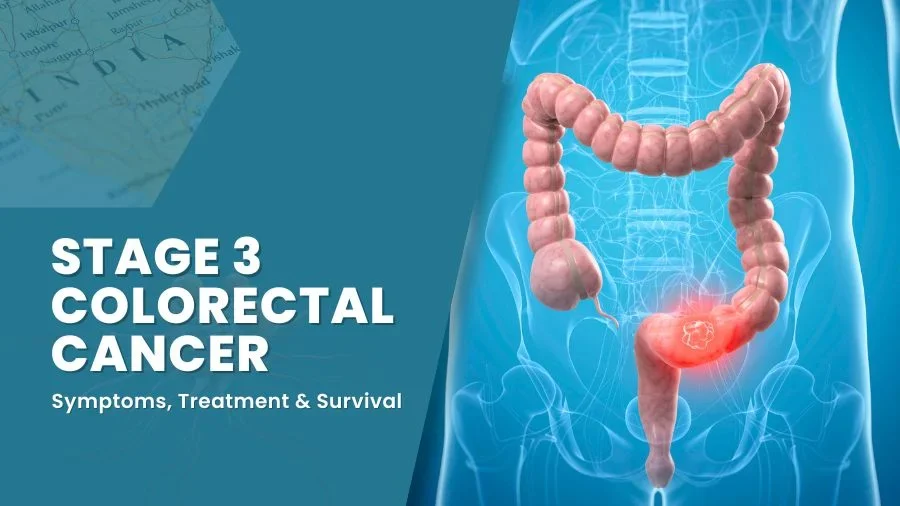
A diagnosis of Stage 3 colon cancer can be overwhelming for patients and their families. However, significant advances in cancer diagnosis, surgery, chemotherapy, and multidisciplinary care have greatly improved outcomes over the years. Understanding the available treatment options and survival rates can help patients make informed decisions and approach their treatment journey with confidence.
If you are looking for reliable information about Stage 3 colon cancer treatment and Survival, Dr. Chintamani Godbole, a highly experienced colorectal surgeon at Gadre Hospital, Mumbai, offers advanced and evidence-based treatment for colorectal cancers. His expertise in minimally invasive colorectal surgery and gastrointestinal disorders has helped numerous patients achieve better treatment outcomes and improved quality of life.
What Is Stage 3 Colon Cancer?
Colon cancer begins in the large intestine (colon) and typically develops from precancerous polyps over several years. Stage 3 colon cancer means that the cancer has spread beyond the wall of the colon and has reached nearby lymph nodes but has not spread to distant organs such as the liver or lungs.
Stage 3 colon cancer is generally divided into:
Stage 3A
Cancer has spread to a small number of nearby lymph nodes and may involve deeper layers of the colon wall.
Stage 3B
The tumor has grown through the colon wall and spread to multiple nearby lymph nodes.
Stage 3C
The cancer involves a larger number of lymph nodes and may have invaded nearby tissues.
Although Stage 3 disease is considered locally advanced, it remains potentially curable with timely and appropriate treatment.
Symptoms of Stage 3 Colon Cancer
Symptoms may vary depending on the location and extent of the tumor. Common signs include:
- Persistent changes in bowel habits
- Constipation or diarrhea
- Blood in stools
- Abdominal pain or cramping
- Unexplained weight loss
- Fatigue and weakness
- Feeling of incomplete bowel evacuation
- Iron deficiency anemia
Many patients may initially ignore these symptoms, resulting in delayed diagnosis. Early medical evaluation is essential for better outcomes.
Understanding Stage 3 Colon Cancer Treatment
The primary goal of treatment is complete removal of the cancer while reducing the risk of recurrence.
Surgery: The Cornerstone of Treatment
Surgery is the most important component of treatment for Stage 3 colon cancer. The affected segment of the colon and surrounding lymph nodes are removed to eliminate cancerous tissue.
Depending on the patient’s condition, surgery may be performed using:
- Conventional open surgery
- Laparoscopic colorectal surgery
- Minimally invasive surgical techniques
Minimally invasive procedures often offer:
- Smaller incisions
- Reduced pain
- Faster recovery
- Shorter hospital stay
- Better cosmetic outcomes
Chemotherapy After Surgery
Following surgery, most Stage 3 colon cancer patients are advised to undergo chemotherapy.
Adjuvant chemotherapy helps:
- Destroy remaining microscopic cancer cells
- Reduce recurrence risk
- Improve long-term survival
Treatment plans are customized based on the patient’s age, health condition, tumor characteristics, and lymph node involvement.
Personalized Follow-Up Care
Regular follow-up is crucial after treatment and may include:
- Clinical examinations
- Blood tests
- Colonoscopy
- CT scans
- Tumor marker monitoring
Close surveillance helps detect recurrence early and improves management outcomes.
Stage 3 Colon Cancer Survival Rates
One of the most common concerns among patients is survival after diagnosis.
The prognosis depends on several factors:
- Number of lymph nodes involved
- Tumor characteristics
- Patient’s overall health
- Response to chemotherapy
- Timeliness of treatment
With modern treatment protocols, many patients with Stage 3 colon cancer achieve long-term survival and remain cancer-free for years after treatment.
Current advancements in surgery, chemotherapy, and postoperative monitoring have significantly improved Stage 3 colon cancer treatment and Survival, making early diagnosis and expert management more important than ever.
Meet Dr. Chintamani Godbole
Dr. Chintamani Godbole is a highly respected Colorectal Surgeon in Mumbai with specialized expertise in colorectal surgery, gastrointestinal disorders, and minimally invasive procedures.
His qualifications include:
- MBBS
- MS (General Surgery)
- DNB (Surgical Gastroenterology)
- Advanced training in Colorectal Surgery and Gastrointestinal Surgery
Dr. Godbole has extensive experience in managing:
- Colon Cancer
- Rectal Cancer
- Colorectal Polyps
- Inflammatory Bowel Disease
- Hemorrhoids
- Fistula and Fissure
- Gastrointestinal Disorders
His commitment to evidence-based medicine and patient-centered care has made him a trusted specialist for complex colorectal conditions.
Why Choose Dr. Chintamani Godbole?
Specialized Expertise
As a dedicated colorectal surgeon, Dr. Godbole focuses extensively on diseases of the colon, rectum, and gastrointestinal tract.
Advanced Surgical Techniques
He performs minimally invasive colorectal procedures whenever clinically appropriate, helping patients recover faster with less discomfort.
Personalized Treatment Planning
Every patient receives an individualized treatment strategy based on their diagnosis, overall health, and treatment goals.
Comprehensive Cancer Care
From diagnosis and surgery to long-term follow-up, patients receive complete care under expert supervision.
State-of-the-Art Care at Gadre Hospital
Patients receive treatment at Gadre Hospital, a trusted healthcare facility known for delivering quality surgical and gastrointestinal care.
The hospital environment focuses on:
- Advanced diagnostic facilities
- Modern operation theatres
- Personalized patient support
- Comprehensive postoperative care
- Multidisciplinary treatment planning
This patient-centric approach ensures comfort, safety, and optimal treatment outcomes throughout the cancer journey.
Factors That Improve Survival Outcomes
Patients can improve their chances of successful recovery by:
- Seeking early diagnosis
- Following recommended treatment plans
- Completing chemotherapy as advised
- Attending regular follow-up visits
- Maintaining a healthy diet and lifestyle
- Staying physically active when appropriate
These factors contribute significantly to better long-term outcomes and quality of life.
Conclusion
A diagnosis of Stage 3 colon cancer is serious, but it is important to remember that effective treatment options are available. Advances in surgery, chemotherapy, and personalized cancer care have greatly improved survival rates and long-term outcomes.
If you or a loved one has been diagnosed with colon cancer, consulting an experienced specialist can make a meaningful difference. Dr. Chintamani Godbole combines advanced colorectal expertise, modern surgical techniques, and compassionate care to provide comprehensive treatment for patients facing colorectal cancer.
Book Your Consultation with Dr. Chintamani Godbole
📧 drchintamanigodbole@gmail.com
📍 Get Directions to Gadre Hospital
If you are experiencing symptoms of colorectal cancer or have been diagnosed with Stage 3 colon cancer, don’t delay seeking expert medical advice. Dr. Chintamani Godbole offers comprehensive evaluation, advanced surgical treatment, and personalized cancer care to help patients achieve the best possible outcomes.
Frequently Asked Questions (FAQs)
1. Is Stage 3 colon cancer curable?
Yes. Many patients with Stage 3 colon cancer achieve long-term remission and cure when treated with surgery and chemotherapy at an appropriate stage.
2. How long does treatment for Stage 3 colon cancer take?
Treatment duration varies depending on individual circumstances, but surgery followed by several months of chemotherapy is commonly recommended.
3. What is the survival rate for Stage 3 colon cancer?
Survival rates depend on multiple factors, including lymph node involvement, tumor biology, overall health, and response to treatment. Modern treatment has significantly improved outcomes.
4. Can minimally invasive surgery be used for Stage 3 colon cancer?
Yes. Many patients are candidates for laparoscopic or minimally invasive colorectal surgery, which may offer faster recovery and reduced postoperative discomfort.