
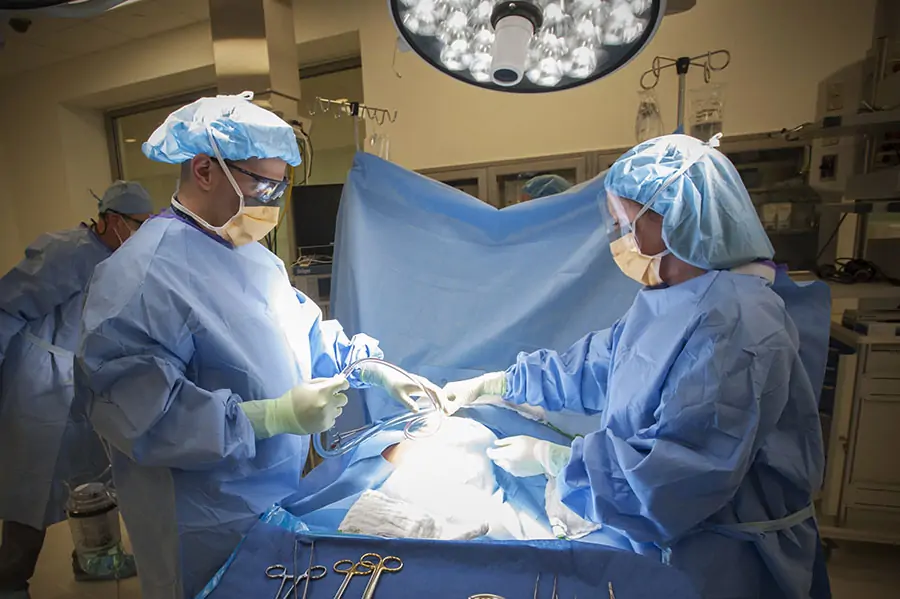
When cancer spreads from an abdominal organ to the peritoneum, the thin lining that covers the abdominal cavity and its organs, treatment can become more complex. This condition is known as peritoneal carcinomatosis or peritoneal surface malignancy. In carefully selected patients, Surgery for Cytoreduction may be considered to remove visible cancer deposits from the abdominal cavity, often followed by Hyperthermic Intraperitoneal Chemotherapy (HIPEC).
The procedure is different from conventional surgery for abdominal cancer because the surgeon may need to remove tumour deposits from multiple surfaces or organs. Careful patient selection, detailed imaging, multidisciplinary evaluation and specialist surgical expertise are important when considering this treatment.
Surgery for Cytoreduction: What Is the Procedure?
Surgery for Cytoreduction (CRS) aims to remove all visible cancer deposits from the peritoneal cavity. Depending on where the disease has spread, Surgery for Cytoreduction may involve removing affected portions of the peritoneum as well as selected organs or parts of organs.
The reference information explains that cytoreduction may be combined with HIPEC. During HIPEC, a heated chemotherapy solution is circulated inside the abdomen after the visible tumour has been surgically removed. The solution is maintained at approximately 42–43°C, with the objective of treating microscopic cancer cells that may remain after surgery.
This combined approach may be considered for selected patients with cancers such as:
- Appendiceal cancer
- Pseudomyxoma peritonei
- Colorectal cancer
- Gastric cancer
- Ovarian cancer
- Peritoneal mesothelioma
Whether CRS and HIPEC are appropriate depends on several factors, including the type and extent of cancer, the patient’s general health and whether complete or meaningful tumour removal is technically possible.
How Does Cytoreductive Surgery Work?
The primary objective of cytoreduction is to remove visible tumour deposits from the abdominal cavity. The extent of surgery varies considerably from patient to patient.
In some cases, the surgeon may need to remove affected sections of the small or large intestine, gallbladder, spleen or portions of the peritoneal lining. The exact procedure is determined after evaluating the location and spread of the cancer.
Once cytoreduction has been completed, HIPEC may be administered. Unlike intravenous chemotherapy, HIPEC delivers heated chemotherapy directly into the abdominal cavity. The treatment is then drained before the surgical incision is closed.
The combination of surgery and intraperitoneal chemotherapy is intended to address both visible and microscopic disease. However, not every patient with peritoneal cancer is suitable for this treatment.
Who May Need Cytoreductive Surgery?
Cytoreductive surgery may be considered for selected patients whose cancer has spread to the peritoneal surface but remains potentially treatable with an aggressive surgical approach.
A detailed evaluation is essential before recommending treatment. Doctors consider the primary cancer, extent and distribution of peritoneal disease, involvement of other organs, overall health and the possibility of achieving adequate tumour removal.
Because CRS and HIPEC are major treatments, patients may undergo imaging, laboratory investigations and other assessments before a final decision is made.
Benefits of Cytoreductive Surgery and HIPEC
For appropriately selected patients, cytoreduction combined with HIPEC may provide an additional treatment option when systemic chemotherapy alone may not adequately address peritoneal disease.
According to the reference information, cytoreductive surgery with HIPEC can provide better survival outcomes than intravenous systemic chemotherapy alone in carefully selected cases.
Potential goals of treatment include:
- Removing visible tumour deposits
- Reducing the overall tumour burden
- Treating microscopic cancer cells remaining in the abdomen
- Providing a potentially effective treatment option for selected peritoneal cancers
- Supporting longer-term disease control in appropriate patients
It is important to understand that these benefits depend on cancer type, disease extent, patient health and whether satisfactory cytoreduction can be achieved.
Risks and Recovery After Cytoreductive Surgery
Cytoreductive surgery with HIPEC is a major abdominal procedure and requires careful postoperative monitoring. The reference page identifies bleeding and infection among the more frequent complications. Other potential risks include blood clots, enterocutaneous fistula, anastomotic leakage and reduced calorie intake.
Recovery varies according to the extent of surgery and the patient’s overall condition. The procedure with HIPEC can take approximately 6–10 hours. Hospitalisation may last around 7–10 days or longer depending on the cancer and the surgery performed. Fatigue can continue for several weeks or months, and recovery should involve an appropriate balance of rest, nutrition and gradual physical activity.
Patients should follow their surgical team’s instructions regarding wound care, diet, medications, activity and follow-up appointments.
Why Choose Dr. Chintamani Godbole?
Dr. Chintamani Godbole is a super-specialist Colorectal Surgeon in Mumbai with a special interest in colorectal surgery and peritoneal surface oncology. His qualifications include MBBS and MS in General Surgery from Seth G. S. Medical College and KEM Hospital, Mumbai, followed by DNB in Surgical Gastroenterology from Jaslok Hospital and Research Centre. He also holds MRCS and FRCS from the Royal College of Surgeons of Edinburgh.
Dr. Chintamani Godbole spent five years in the United Kingdom receiving advanced colorectal surgery training. His fellowships included minimally invasive laparoscopic and robotic colorectal surgery, colorectal cancer surgery, peritoneal cytoreductive surgery and HIPEC. He also trained at the Basingstoke Peritoneal Malignancy Institute, a recognised centre for colorectal and peritoneal cancer surgery.
His clinical experience includes more than 200 minimally invasive colorectal surgeries and more than 50 cytoreductive surgeries and HIPEC procedures for advanced peritoneal cancers, according to his professional profile. His areas of expertise also include robotic and laparoscopic colorectal surgery, sphincter-preserving rectal cancer surgery, inflammatory bowel disease and complex fistula-in-ano.
Dr. Chintamani Godbole has also been involved in research in India and the UK and has published in peer-reviewed medical journals. His professional profile highlights personalised communication with patients and relatives as part of his approach to care.
Cytoreductive Surgery at Gadre Hospital
For patients seeking Colorectal Surgery in Mumbai,Dr. Chintamani Godbole consults at Gadre Hospital near Hindmata Cinema in Dadar East. The hospital provides a clinical setting where patients can discuss complex colorectal and peritoneal conditions with a specialist and understand their treatment options.
Dr. Chintamani Godbole is also affiliated with hospitals including Jaslok Hospital, Sir H. N. Reliance Foundation Hospital, Breach Candy Hospital and Wockhardt Hospitals in Mumbai.
His approach combines specialist colorectal expertise with experience in minimally invasive surgery, peritoneal oncology and advanced treatments such as CRS and HIPEC.
Is Cytoreductive Surgery Suitable for Every Patient?
No. Cytoreduction is not appropriate for every patient with peritoneal cancer. The treatment involves extensive surgery and is generally considered only after detailed assessment.
A specialist may evaluate whether the disease can be adequately removed, whether the patient is medically fit for major surgery and whether the expected benefits outweigh the potential risks. The cancer’s origin and extent are also important factors.
Patients and families should discuss the expected outcomes, possible complications, alternatives and recovery requirements with their treating cancer team before making a decision.
Book a Consultation With Dr. Chintamani Godbole
If you or a family member has been diagnosed with peritoneal cancer or has been advised to explore CRS and HIPEC, a specialist consultation can help clarify whether this treatment may be appropriate.
Dr. Chintamani Godbole provides consultation for colorectal and peritoneal surface cancers and can assess the available reports, understand the extent of disease and discuss possible treatment approaches.
📞+91 8108791470 | ☎️ +91 8451865944 (In case of emergency)
📧 drchintamanigodbole@gmail.com
📍Get Directions to the Clinic – Gadre Hospital, Mumbai
FAQs About Cytoreductive Surgery
1. What is cytoreductive surgery?
Cytoreductive surgery is a major procedure designed to remove visible cancer deposits from the peritoneal cavity in selected patients with peritoneal surface malignancy. It may be followed by HIPEC to treat microscopic cancer cells remaining in the abdomen.
2. Which cancers may be treated with CRS and HIPEC?
CRS and HIPEC may be considered for selected cases of appendiceal cancer, pseudomyxoma peritonei, colorectal cancer, gastric cancer, ovarian cancer and peritoneal mesothelioma. Suitability depends on individual disease characteristics.
3. How long does cytoreductive surgery with HIPEC take?
The reference information states that cytoreductive surgery with HIPEC can take approximately 6–10 hours. Hospitalisation may last 7–10 days or longer depending on the cancer and extent of surgery.
4. How long is recovery after cytoreductive surgery?
Recovery varies between patients. Fatigue may continue for approximately two to three months, while the duration of hospitalisation and return to normal activities depend on the extent of surgery and individual recovery.