
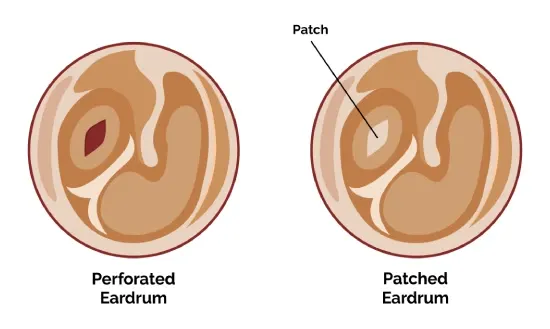
The eardrum plays an essential role in hearing by transmitting sound vibrations from the outer ear to the middle ear. When the eardrum becomes damaged or perforated due to infections, injuries, or other conditions, it can lead to hearing difficulties, recurring ear discharge, and discomfort. Although some small perforations heal naturally, others require surgical treatment to restore the eardrum’s structure and function.
Tympanoplasty surgery in Mumbai is a specialised procedure designed to repair a perforated eardrum, reduce recurrent infections, and potentially improve hearing. Dr. Shama Kovale, an experienced ENT surgeon at Kokilaben Dhirubhai Ambani Hospital, provides comprehensive evaluation and surgical care for patients experiencing persistent eardrum problems.
What Is Tympanoplasty Surgery?
Tympanoplasty is a surgical procedure performed to repair a hole or tear in the tympanic membrane, commonly known as the eardrum. The procedure involves placing a tissue graft over or beneath the perforation to help reconstruct the damaged membrane.
The primary objective is to restore the protective barrier between the outer and middle ear, reduce the risk of repeated infections, and improve sound transmission when possible.
Depending on the patient’s condition, tympanoplasty may also involve repairing damaged middle ear structures.
When Is Tympanoplasty Surgery Necessary?
Not every perforated eardrum requires surgery. Small perforations may heal independently, particularly when infections are treated appropriately.
However, an ENT specialist may recommend surgical intervention when the following problems persist:
- Persistent eardrum perforation: A hole that does not heal naturally after several weeks or months.
- Recurring ear infections: Repeated infections caused by bacteria entering through the perforation.
- Hearing difficulties: Reduced hearing associated with damage to the eardrum or middle ear.
- Chronic ear discharge: Persistent or recurring fluid drainage despite medical treatment.
- Traumatic eardrum injury: Damage caused by accidents, sudden pressure changes, or foreign objects.
Patients experiencing these symptoms should undergo a detailed ENT examination to determine whether surgery is appropriate.
Tympanoplasty Surgery in Mumbai: Step-by-Step Procedure
Tympanoplasty is performed using specialised surgical instruments and magnification to repair the damaged eardrum.
1. Preoperative Evaluation
Before surgery, the ENT surgeon examines the ear using an otoscope or microscope. Hearing tests, including pure-tone audiometry, help assess hearing function.
Additional investigations may be recommended if middle ear disease is suspected.
2. Anaesthesia
The procedure is commonly performed under general anaesthesia, although local anaesthesia with sedation may be appropriate for selected adults.
3. Accessing the Eardrum
The surgeon accesses the damaged eardrum through the ear canal or a small incision around or behind the ear, depending on the perforation’s location and size.
4. Graft Placement
A small tissue graft, commonly obtained from the patient’s own fascia or cartilage, is positioned to repair the perforation.
The graft provides support for healing and the formation of an intact eardrum.
5. Surgical Completion
The surgeon places protective packing inside the ear to support the graft during healing.
The procedure generally takes approximately one to two hours, although complex cases may require additional time.
Benefits of Tympanoplasty Surgery
Tympanoplasty surgery in Mumbai may offer several benefits for patients with persistent eardrum perforations.
Improved Hearing: Repairing the eardrum may improve sound transmission, particularly when the middle ear structures remain healthy.
Reduced Ear Infections: Closing the perforation helps protect the middle ear from water and microorganisms.
Prevention of Recurrent Discharge: Successful repair can reduce repeated episodes of ear discharge associated with the perforation.
Improved Daily Comfort: Patients may experience fewer interruptions caused by ear infections and hearing difficulties.
Better Quality of Life: Improved ear health can support communication, social interaction, and everyday activities.
However, hearing improvement is not guaranteed, and results depend on the condition of the middle ear and other individual factors.
Recovery and Aftercare Following Tympanoplasty
Recovery is an important part of successful eardrum repair. Patients undergoing Tympanoplasty surgery in Mumbai should carefully follow their surgeon’s postoperative instructions.
Important Recovery Guidelines
- Keep the operated ear dry until the surgeon confirms that water exposure is safe.
- Avoid swimming during the initial recovery period.
- Do not blow your nose forcefully or place unnecessary pressure on the ears.
- Sneeze with your mouth open to reduce pressure changes.
- Avoid heavy lifting and strenuous activities until medically cleared.
- Take prescribed medications as directed.
- Attend scheduled follow-up appointments to monitor graft healing.
Mild discomfort, temporary ear fullness, and reduced hearing caused by postoperative packing may occur initially.
Many patients return to light activities within approximately one week. Eardrum healing and hearing improvement generally take several weeks, and complete recovery may take longer.
Possible Risks and Complications
Although tympanoplasty is generally considered a safe and established procedure, every surgery carries potential risks.
Possible complications include infection, bleeding, graft failure, persistent perforation, temporary dizziness, altered taste, tinnitus, or changes in hearing. Significant hearing deterioration or facial nerve injury is uncommon but possible.
An experienced ENT surgeon evaluates these risks before surgery and explains the expected outcomes based on the patient’s medical condition.
About Dr. Shama Kovale – Experienced ENT Specialist in Mumbai
Dr. Shama S. Kovale is a Senior Consultant ENT Surgeon at Kokilaben Dhirubhai Ambani Hospital, Andheri West, Mumbai. She has over 23 years of clinical and surgical experience in diagnosing and treating ear, nose, throat, voice, swallowing, and airway disorders.
Qualifications and Professional Training
Dr. Shama Kovale completed her MBBS, Diploma in Otorhinolaryngology (DLO), and MS in ENT from B.Y.L. Nair Hospital, Mumbai.
Her advanced professional training includes:
- Specialised training in voice and swallowing disorders at UC Davis, USA.
- Fellowship training in laryngology and phonosurgery.
- Advanced cochlear implant surgery training at P.D. Hinduja Hospital, Mumbai.
- Training and experience in endoscopic ENT procedures and ear microsurgery.
As an experienced ENT Doctor in Mumbai, she manages conditions such as chronic ear infections, eardrum perforations, hearing loss, and complex ENT disorders.
Clinical Experience and Expertise
Dr. Shama Kovale‘s surgical expertise includes tympanoplasty, ear microsurgery, cochlear implants, endoscopic sinus procedures, and advanced voice and airway surgeries.
She also heads the dedicated Voice and Swallowing Centre at Kokilaben Dhirubhai Ambani Hospital.
Her approach focuses on detailed diagnosis, appropriate treatment selection, clear communication, and postoperative follow-up.
Hospital Environment and Patient Care
Kokilaben Dhirubhai Ambani Hospital provides a multidisciplinary clinical environment with ENT diagnostic facilities, surgical infrastructure, and postoperative monitoring services.
Patients receive individualised evaluations, hearing assessments, and treatment recommendations based on their symptoms and medical history.
For individuals considering Tympanoplasty surgery in Mumbai, Dr. Shama Kovale provides surgical consultations focused on restoring ear health and supporting long-term recovery.
Who Is a Suitable Candidate for Tympanoplasty?
Tympanoplasty may be recommended for adults and children with persistent eardrum perforations, repeated infections, or hearing problems related to eardrum damage.
Suitability depends on several factors, including the perforation’s size, middle ear condition, hearing assessment, and overall health.
Active infections or uncontrolled nasal allergies may need treatment before surgery.
An ENT examination is essential to determine the most appropriate treatment plan.
Frequently Asked Questions (FAQs)
1. Is tympanoplasty a painful surgery?
Tympanoplasty is performed under anaesthesia, so patients generally do not experience pain during the procedure. Mild discomfort or ear soreness may occur afterward and can usually be managed with prescribed medication.
2. How long does it take to recover from tympanoplasty?
Many patients resume light daily activities within a week. However, eardrum healing and hearing improvement commonly take four to six weeks or longer, depending on the surgical technique and individual recovery.
3. Can tympanoplasty permanently repair a perforated eardrum?
A successful graft can provide lasting closure of the perforation. However, future infections, injuries, or healing problems may occasionally cause another perforation.
4. What is the cost of tympanoplasty surgery in Mumbai?
The cost varies depending on the surgical technique, hospital charges, anaesthesia, diagnostic investigations, and whether additional middle ear procedures are necessary. Patients should request an individualised estimate after consultation.
Book Your Consultation with Dr. Shama Kovale
Are you experiencing hearing problems, repeated ear infections, or discomfort caused by a damaged eardrum? Consult Dr. Shama Kovale for a comprehensive ear examination and personalised treatment recommendations.
Contact Details:
+91 91528 50769
drshamakovaleent@gmail.com
Get Directions to the Clinic – Kokilaben Dhirubhai Ambani Hospital