
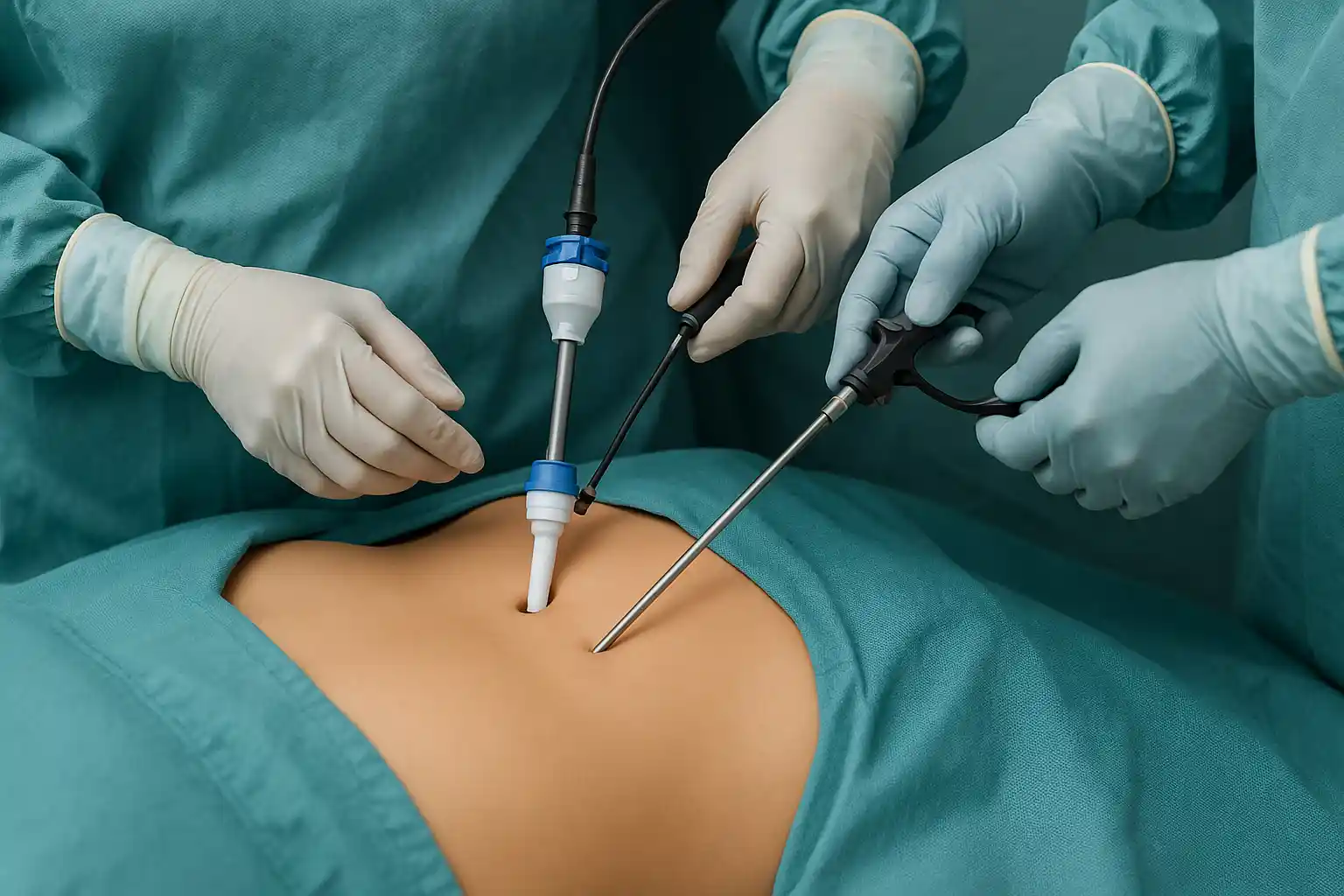
Urinary leakage can be an uncomfortable and often embarrassing problem, but it is not something women simply have to accept as a part of aging, childbirth or menopause. Urinary Incontinence Treatment in Mumbai now includes conservative therapies as well as minimally invasive procedures designed to address the underlying cause of bladder-control problems. Dr. Maitreyee Parulekar, a gynecological oncologist and minimally invasive surgeon associated with Kirit Nursing Home and other hospitals in Mumbai, provides evaluation and treatment for women experiencing urinary leakage and related pelvic-floor concerns.
What Is Urinary Incontinence?
Urinary incontinence refers to the involuntary leakage of urine. It can occur occasionally or become frequent enough to interfere with work, exercise, sleep and social activities.
The condition can take several forms:
- Stress incontinence: Urine leaks when coughing, sneezing, laughing, exercising or lifting something heavy.
- Urge incontinence: A sudden, strong urge to urinate is followed by leakage before reaching the bathroom.
- Overflow incontinence: The bladder does not empty completely, causing frequent dribbling.
- Mixed incontinence: Symptoms of stress and urge incontinence occur together.
Recognising the type of leakage is important because treatment is selected according to the symptoms, severity and underlying cause.
Common Causes and Symptoms
Several factors can affect bladder control. Pregnancy and childbirth may weaken the pelvic-floor muscles, while menopause-related hormonal changes can affect the tissues supporting the bladder and urethra. Ageing, obesity, chronic coughing, urinary tract infections, diabetes, neurological problems and previous pelvic surgery may also contribute to urinary-control difficulties.
Women should consider a gynecological evaluation if they experience:
- Urine leakage while coughing, sneezing or laughing
- Leakage during exercise or lifting
- Sudden urinary urgency
- Frequent urination or repeated nighttime bathroom visits
- Difficulty emptying the bladder completely
- Persistent dribbling
- Increasing anxiety about finding a restroom while travelling or socialising
Urinary leakage after childbirth or menopause should not automatically be considered “normal.” An appropriate medical assessment can determine whether the symptoms are related to pelvic-floor weakness, bladder dysfunction or another condition.
Urinary Incontinence Treatment in Mumbai: What Are the Options?
Treatment depends on the type and severity of incontinence. For many women, conservative measures are considered before surgery. Dr. Maitreyee Parulekar’s approach includes non-surgical management as well as minimally invasive procedures for appropriately selected patients.
Pelvic-Floor Exercises and Physiotherapy
Pelvic-floor strengthening is commonly used for stress incontinence. Kegel exercises can help strengthen muscles that support the bladder and urethra. A personalised physiotherapy programme may help women learn correct muscle activation and develop a consistent exercise routine.
Lifestyle Changes and Bladder Training
Reducing bladder irritants such as excessive caffeine and making appropriate dietary changes may help some women. Bladder training and timed voiding can also improve control over urinary urges. Maintaining a healthy weight can reduce pressure on the bladder and pelvic floor.
Laser Vaginal Therapy
According to the reference information, laser vaginal tightening is another non-surgical option considered for selected mild-to-moderate cases. The treatment uses laser energy to stimulate collagen production and may improve tissue support and urethral closure. Suitability should be determined during a clinical consultation.
Medications
Certain medications may be considered for specific forms of urinary incontinence, particularly when bladder overactivity or urgency is involved. Medication should only be taken after assessment by a qualified healthcare professional.
Laparoscopic Burch Colposuspension
For selected women with stress urinary incontinence who require surgery, laparoscopic Burch colposuspension is a mesh-free procedure designed to restore support around the urethra. The reference page describes it as a minimally invasive approach involving small incisions and reports that recovery may be relatively quick in suitable patients.
Laparoscopic Sling Procedure
A laparoscopic sling procedure can provide additional support beneath the urethra. According to the clinic’s information, this minimally invasive approach uses small keyhole incisions and is intended to reduce leakage associated with increased abdominal pressure. Patient selection is important, and the risks and expected outcomes should be discussed before surgery.
Urethral Bulking Injections
Urethral bulking is a minimally invasive, non-incisional option that may be considered for selected women with mild-to-moderate stress incontinence, recurrent symptoms or situations where surgery may not be appropriate. A bulking material is injected around the urethra to improve closure.
Why Choose Dr. Maitreyee Parulekar for Urinary Incontinence Care?
Dr. Maitreyee Parulekar is a gynecological oncologist and laparoscopic surgeon with training in advanced minimally invasive and robotic procedures. Her qualifications include an MS in Obstetrics and Gynecology from KEM, MRCOG (UK), and FMAS. She has also undertaken fellowship training in Gynecological Oncosurgery and Robotic Surgery at Seoul National University Hospital in South Korea and a visiting fellowship in Minimally Invasive Gynecology at Mount Sinai Hospital, Toronto.
Her profile also records a Gold Medal from GSMC & KEMH and international clinical and research exposure. Her expertise extends across gynecological oncology, laparoscopic surgery, robotic surgery, endometriosis, fibroids, fertility-preserving procedures and urinary incontinence.
At Kirit Nursing Home and her other Mumbai practice locations, patients can discuss urinary leakage, pelvic-floor concerns and available treatment pathways in a clinical setting focused on minimally invasive gynecological care. Her listed practice locations include Kirit Nursing Home, Gleneagles Hospital, Nalini Speciality Hospital, AllCure SuperSpeciality Hospital, Criticare Hospital and Surya Hospitals.
For women searching for a Gynecologist In Vile Parle, Mumbai, Dr. Maitreyee Parulekar’s profile also highlights her broader gynecological and minimally invasive surgical expertise. Her experience in complex gynecological procedures provides a useful clinical foundation when urinary symptoms occur alongside other pelvic or gynecological conditions.
Benefits and Considerations of Minimally Invasive Treatment
Minimally invasive procedures generally involve smaller incisions than conventional open surgery. Depending on the procedure, potential advantages can include less postoperative discomfort, smaller scars, shorter hospitalisation and a quicker return to routine activities.
However, no procedure is suitable for every patient. Possible risks can include infection, bleeding, urinary difficulties, anaesthesia-related complications, recurrence or other procedure-specific problems. A specialist evaluation is therefore essential before deciding on surgery.
Recovery and Aftercare
Recovery depends on the treatment selected. Women undergoing conservative treatment may gradually build pelvic-floor strength over several weeks or months. Following a procedure, the doctor may recommend avoiding strenuous activity and heavy lifting for a specified period.
Dr. Maitreyee Parulekar’s reference information notes that some laparoscopic procedures may allow women to return to routine activities within a few days, although recovery varies according to the procedure and individual health.
Patients should follow prescribed medications, attend follow-up appointments and promptly report unusual bleeding, fever, worsening pain, difficulty urinating or other concerning symptoms.
When Should You See a Specialist?
Urinary leakage deserves medical attention when it is persistent, worsening or affecting daily life. Early assessment can help identify the type of incontinence and determine whether lifestyle changes, pelvic-floor therapy, medication or a minimally invasive procedure is appropriate.
Women looking for a Top Gynae Oncologist In Mumbai can discuss their urinary symptoms with Dr. Maitreyee Parulekar as part of a comprehensive gynecological consultation. The goal is not simply to manage leakage but to identify its cause and select an evidence-informed treatment approach suited to the individual patient.
Frequently Asked Questions
1. Can urinary incontinence be treated without surgery?
Yes. Depending on the type and severity, treatment may include pelvic-floor exercises, physiotherapy, bladder training, lifestyle modifications and medicines. Some selected patients may also be candidates for non-surgical procedures such as urethral bulking.
2. Is urinary leakage after childbirth normal?
Urinary leakage can occur after pregnancy and childbirth because the pelvic-floor muscles and supporting tissues may become weakened. However, persistent leakage should not be dismissed as something a woman must live with. A gynecological assessment can identify appropriate treatment options.
3. How long does recovery take after minimally invasive surgery?
Recovery varies according to the procedure, overall health and individual healing. The clinic’s information indicates that some laparoscopic procedures may allow a return to routine activities within approximately 3–5 days, but the treating surgeon should provide personalised recovery instructions.
4. Can urinary incontinence return after treatment?
Recurrence is possible with some forms of incontinence because bladder function and pelvic-floor health can change over time. Maintaining a healthy weight, following pelvic-floor exercises when advised and attending follow-up appointments may support long-term management.
Take the First Step Towards Better Bladder Control
Living with urinary leakage can affect confidence, exercise, sleep and everyday freedom. The good news is that several treatment approaches are available, ranging from pelvic-floor rehabilitation and lifestyle changes to minimally invasive procedures for appropriately selected patients. Dr. Maitreyee Parulekar combines gynecological, laparoscopic and robotic surgical expertise with an individualised approach to women’s health.
If you are considering Urinary Incontinence Treatment in Mumbai, schedule a consultation to understand the cause of your symptoms and discuss suitable treatment options.
📞 +91 72087 27500 | +91 97023 58222
📧 info@drmaitreyeegynec.in
Get Directions to the Clinic – Kirit Nursing Home, Vile Parle