
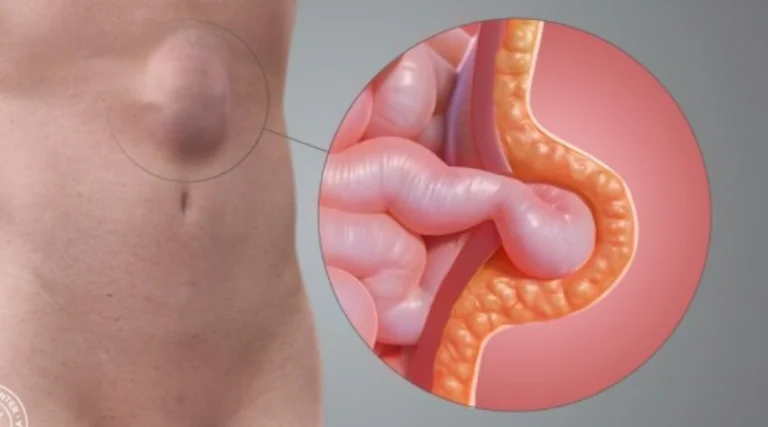
A hernia is a common surgical condition that occurs when an internal organ or tissue pushes through a weak area in the surrounding muscle or connective tissue. Although some hernias may remain painless in the early stages, they generally do not heal on their own and can enlarge over time, increasing the risk of complications. Modern minimally invasive techniques have made hernia repair safer and more comfortable for many patients. If you are considering Laparoscopic hernia surgery in Mumbai, choosing an experienced surgeon is essential for achieving the best possible outcome.
At Dhanvantari Hospital, Dr. Bhavesh Doshi offers advanced laparoscopic hernia repair with a patient-centered approach that emphasizes safety, precision, and faster recovery. His extensive experience in minimally invasive and pediatric surgery enables him to provide individualized treatment plans for both children and adults whenever appropriate.
Why Choose Laparoscopic Hernia Surgery in Mumbai?
Laparoscopic hernia surgery in Mumbai is a minimally invasive procedure performed through small incisions using a laparoscope—a thin instrument equipped with a camera and specialized surgical instruments.
Compared with conventional open surgery in selected patients, laparoscopic repair may offer several advantages:
- Smaller incisions
- Reduced postoperative pain
- Shorter hospital stay
- Faster recovery
- Lower risk of wound complications
- Earlier return to daily activities
- Improved cosmetic outcomes
The most appropriate surgical technique depends on the patient’s hernia type, size, medical history, and overall health.
What Is a Hernia?
A hernia develops when an internal organ or fatty tissue protrudes through a weak area in the abdominal wall or surrounding muscles.
Common types include:
- Inguinal hernia
- Umbilical hernia
- Femoral hernia
- Incisional hernia
- Epigastric hernia
- Hiatal hernia
Early diagnosis and timely treatment help prevent complications such as obstruction or strangulation of the herniated tissue.
Common Symptoms of a Hernia
Patients may experience:
- A visible or palpable swelling
- Pain while lifting heavy objects
- Discomfort during coughing
- Pressure or heaviness in the abdomen
- Groin pain
- Swelling that increases with standing
- Burning sensation near the hernia
Emergency medical attention is required if severe pain, vomiting, fever, or inability to push the swelling back occurs.
Meet Dr. Bhavesh Doshi
Dr. Bhavesh Doshi is a highly respected Pediatric Surgeon in India with extensive expertise in pediatric surgery, minimally invasive procedures, and laparoscopic surgery.
His professional profile includes:
- MBBS
- MS (General Surgery)
- MCh in Pediatric Surgery
- Advanced expertise in laparoscopic surgery
- Extensive experience in neonatal, pediatric, and minimally invasive surgical procedures
- Management of congenital anomalies, pediatric urological conditions, gastrointestinal disorders, and abdominal surgeries
Throughout his career, Dr. Bhavesh Doshihas successfully performed numerous complex laparoscopic procedures with a strong focus on patient safety, precision, and long-term outcomes.
Dhanvantari Hospital – Modern Surgical Care
Dhanvantari Hospital provides comprehensive surgical care in a modern and patient-friendly environment equipped with advanced technology.
Patients benefit from:
- Modern operation theatres
- Advanced laparoscopic equipment
- Comprehensive preoperative evaluation
- Experienced surgical and anesthesia teams
- Strict infection control protocols
- Comfortable inpatient facilities
- Personalized postoperative care
Every treatment plan is customized according to the patient’s condition and recovery goals.
Who Is a Suitable Candidate?
Laparoscopic hernia repair may be recommended for:
- Inguinal hernias
- Bilateral hernias
- Recurrent hernias
- Umbilical hernias
- Selected incisional hernias
However, not every patient is suitable for laparoscopic surgery. The decision depends on the size of the hernia, previous surgeries, medical history, and overall health.
How Is Laparoscopic Hernia Surgery Performed?
The procedure generally includes:
- Administration of anesthesia
- Small abdominal incisions
- Insertion of the laparoscope
- Identification of the hernia
- Return of the protruding tissue to its normal position
- Reinforcement of the abdominal wall, often using a surgical mesh when clinically appropriate
- Closure of the small incisions
The procedure is performed using minimally invasive techniques to minimize tissue trauma while achieving effective hernia repair.
Benefits of Laparoscopic Hernia Repair
Potential benefits include:
- Less postoperative discomfort
- Smaller scars
- Faster recovery
- Earlier return to work
- Reduced hospital stay
- Better visualization during surgery
- Simultaneous repair of bilateral hernias in selected cases
Clinical suitability varies among individuals, and the surgeon recommends the most appropriate approach after evaluation.
Recovery After Surgery
Most patients recover gradually over the following weeks.
Postoperative instructions typically include:
- Walk regularly as advised
- Avoid heavy lifting for a specified period
- Keep the incision clean and dry
- Eat a balanced, high-fiber diet
- Stay hydrated
- Attend follow-up appointments
- Follow prescribed medications
Recovery time varies depending on the patient’s overall health and the complexity of the surgery.
Why Patients Trust Dr. Bhavesh Doshi
Patients choose Dr. Bhavesh Doshi because of his compassionate approach, meticulous surgical technique, and commitment to evidence-based care. His expertise in minimally invasive and pediatric surgery enables him to perform complex procedures with precision while prioritizing patient safety and comfort. He believes in educating patients and their families, ensuring they understand the diagnosis, treatment options, and recovery process before surgery. At Dhanvantari Hospital, patients receive comprehensive care from consultation through recovery in a supportive clinical environment focused on achieving the best possible outcomes.
When Should You Seek Medical Advice?
Consult a surgeon if you notice:
- A persistent swelling in the abdomen or groin
- Increasing pain
- Difficulty performing routine activities
- Enlargement of the hernia
- Symptoms that worsen with physical activity
Early treatment often reduces the risk of complications and simplifies surgical management.
Book Your Consultation Today
If you suspect you have a hernia or have already been diagnosed, consult Dr. Bhavesh Doshi for a comprehensive evaluation and individualized treatment plan.
Contact Dhanvantari Hospital
📞 9820565205 ☎️ 022 28338378
📧 info@drbhaveshdoshi.com
Get directions to the clinic – Dhanvantari Hospital
Take the first step toward safe and effective hernia treatment with Dr. Bhavesh Doshi at Dhanvantari Hospital. Schedule your consultation today for a detailed evaluation, personalized surgical recommendations, and advanced laparoscopic care.
Frequently Asked Questions (FAQs)
1. What is laparoscopic hernia surgery?
Laparoscopic hernia surgery is a minimally invasive procedure performed through small incisions using a laparoscope and specialized instruments to repair the hernia while minimizing tissue damage.
2. Is laparoscopic hernia surgery better than open surgery?
Both approaches have advantages. Laparoscopic surgery may offer smaller incisions, less pain, and faster recovery in suitable patients, while open surgery may be recommended for certain complex hernias. Your surgeon will determine the most appropriate technique.
3. How long does recovery take after laparoscopic hernia surgery?
Many patients return to light daily activities within a few days, although complete recovery varies depending on the type of hernia, the procedure performed, and individual healing.
4. Can a hernia return after surgery?
Although modern surgical techniques significantly reduce recurrence rates, no procedure can completely eliminate the possibility. Following postoperative instructions and avoiding heavy lifting during recovery can help reduce the risk.