
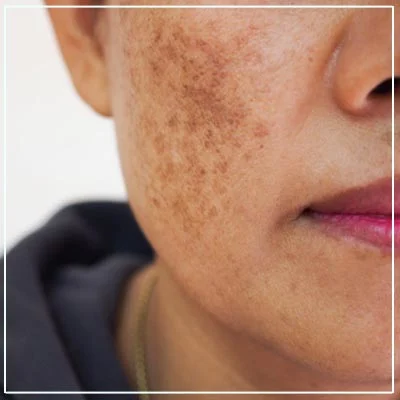
Melasma is a common skin condition that causes brown, grey-brown, or darker patches, particularly on the cheeks, forehead, nose, and upper lip. Although it is harmless in most cases, the uneven pigmentation can affect confidence and may persist without appropriate care. Sun exposure, hormonal changes, and genetic factors can contribute to its development. If you are looking for Melasma treatment in Mumbai, a dermatologist can assess your skin, identify contributing factors, and recommend a personalized treatment plan.
Dr. Deepam Shah is a dermatologist, cosmetologist, and hair transplant surgeon who founded Viva Aesthetic Clinic. He holds an MBBS, DNB in Dermatology and Venereology, and a Fellowship in Aesthetic Medicine (FAM). With over a decade of clinical experience, he provides specialised care for pigmentation, acne, hair disorders, and aesthetic skin concerns. Viva Aesthetic Clinic offers dermatological consultations and modern treatment technologies to help patients manage melasma and other pigmentation conditions.
What Is Melasma and Why Does It Develop?
Melasma is a form of hyperpigmentation in which the skin produces or deposits excess melanin, the pigment responsible for skin colour. It commonly appears as symmetrical patches on the face, although other sun-exposed areas may also be affected.
Several factors can contribute to melasma:
- Sun exposure: Ultraviolet radiation and visible light can trigger or worsen pigmentation.
- Hormonal changes: Pregnancy, hormonal contraception, and other hormonal influences may contribute to melasma.
- Genetic predisposition: A family history can increase susceptibility.
- Heat and environmental exposure: Heat and sunlight may aggravate pigmentation in some individuals.
- Skin irritation: Inflammation from unsuitable products or aggressive procedures can worsen dark patches.
Melasma can affect different skin types and tones. Melasma treatment in Mumbai may help improve pigmentation, but melasma can recur, particularly with sun exposure or hormonal triggers. A dermatologist can distinguish melasma from other causes of facial pigmentation and determine the most appropriate treatment approach based on your skin type and condition.
Signs That You May Need Melasma Treatment in Mumbai
Melasma generally appears as flat, irregular patches that are darker than the surrounding skin. Commonly affected areas include the cheeks, forehead, bridge of the nose, upper lip, and chin.
Unlike acne or certain inflammatory skin conditions, melasma usually does not cause pain or itching. However, other pigmentation disorders can look similar, so an accurate diagnosis is important before beginning treatment.
You may benefit from a dermatology consultation if you notice:
- Brown or grey-brown patches developing gradually on the face.
- Pigmentation that becomes darker after sun exposure.
- Uneven skin tone that persists despite a regular skincare routine.
- Dark patches that return after previous treatment.
- Pigmentation that worsens after using irritating skincare products.
A dermatologist can examine the affected areas, review your skincare routine and medical history, and discuss treatment options based on the pattern and severity of pigmentation.
Dr. Deepam Shah: Qualifications and Clinical Experience
Dr. Deepam Shah is the founder of Viva Aesthetic Clinic and has over a decade of experience in dermatology, cosmetology, and aesthetic treatments.
His qualifications include an MBBS from the University of Bombay, Mumbai, completed in 2010, followed by a DNB in Dermatology and Venereology from the University of Delhi in 2014. He also completed a Fellowship in Aesthetic Medicine, Hair Transplant, Dermatology, and Cosmetology at the Institute of Laser and Aesthetic Medicine (ILAMED) in 2014.
His professional recognitions include a silver medal in the MUHS examination and recognition as a postgraduate student by the Galderma Institute. Alongside his clinical practice, he participates in educational activities, conferences, and seminars relating to dermatology and aesthetic medicine.
His expertise includes medical dermatology, skin pigmentation, laser treatments, aesthetic procedures, and hair restoration. This background helps him evaluate pigmentation concerns and consider both medical skincare and procedure-based options where appropriate.
How Is Melasma Diagnosed?
Effective treatment begins with understanding the type and depth of pigmentation. During a consultation, the dermatologist reviews when the patches first appeared, whether they change with sunlight, any history of pregnancy or hormonal medication, and the products currently being used.
The examination may include a visual assessment of the pigmentation and, when appropriate, specialised tools to evaluate pigment distribution. Not every patient requires laboratory tests or imaging.
The dermatologist also considers whether the patches are caused by melasma, post-inflammatory hyperpigmentation, sun spots, or another skin condition. This distinction matters because treatments suitable for one type of pigmentation may be ineffective or irritating for another.
Patients should mention any previous chemical peels, laser procedures, allergies, pregnancy, breastfeeding, and prescription medications before starting treatment. These details help the dermatologist select an appropriate and safe plan.
Treatment Options for Melasma
Treatment aims to reduce visible pigmentation, limit further darkening, and maintain more even-looking skin. Results vary, and melasma often requires ongoing maintenance.
1. Prescription lightening creams
Dermatologists may recommend topical treatments containing ingredients such as azelaic acid, hydroquinone, or other pigment-regulating agents, depending on the patient’s skin and medical history. These products should be used according to professional advice because inappropriate use can cause irritation or other side effects.
2. Retinoids and exfoliating ingredients
Selected patients may benefit from retinoids or alpha hydroxy acids that support skin renewal. These ingredients can irritate sensitive skin and may not be appropriate for everyone. A dermatologist can advise on suitability and use.
3. Chemical peels
Chemical peels use carefully selected solutions to exfoliate the skin and may help improve pigmentation in suitable patients. Peel strength, skin type, and the risk of post-inflammatory hyperpigmentation must be considered, particularly in darker skin tones.
4. Laser and light-based treatments
Certain laser or light-based procedures may be considered for selected cases that do not respond adequately to other measures. They are not suitable for everyone, and melasma can worsen after poorly selected or overly aggressive treatment. A specialist should explain the potential benefits, risks, and alternatives before proceeding.
5. Individualised combination treatment
Some patients may benefit from a combination of topical products, sun protection, and carefully selected procedures. Treatment should be adjusted according to skin response and tolerance rather than following a standard plan for everyone.
At Viva Aesthetic Clinic, Dr. Deepam Shah evaluates pigmentation concerns and can discuss suitable options based on the patient’s skin condition and treatment goals.
Why Sun Protection Is Essential
Sun protection is one of the most important parts of managing melasma. Without consistent protection, pigmentation may return or become more noticeable even after successful treatment.
Helpful measures include:
- Apply a broad-spectrum sunscreen with SPF 30 or higher every day.
- Consider a tinted sunscreen containing iron oxides to help protect against visible light.
- Reapply sunscreen outdoors according to the product instructions, especially after sweating.
- Wear a wide-brimmed hat and seek shade during strong sunlight.
- Avoid harsh scrubs, unverified bleaching products, and skincare routines that cause irritation.
Patients should follow their dermatologist’s aftercare instructions following peels or laser procedures. Additional sun protection may be necessary while the skin is recovering.
What Makes Viva Aesthetic Clinic a Consideration?
Viva Aesthetic Clinic is a dermatology and aesthetic practice founded by Dr. Deepam Shah. Its approximately 1,000-square-foot clinic at Opera House in South Mumbai is equipped with modern lasers and medical devices. The clinic offers skin, hair, and aesthetic services delivered by Dr. Deepam Shah and trained supporting professionals.
The clinic’s treatment facilities include technologies used for selected pigmentation and skin concerns. The choice of equipment or procedure should always follow a clinical assessment rather than a preference for the newest technology.
Patients should expect a consultation that considers their medical history, skin type, current skincare products, treatment goals, and tolerance for potential downtime. Clear guidance on costs, expected results, follow-up, and maintenance is also important when planning care.
Book a Consultation with Dr. Deepam Shah
If persistent facial pigmentation is affecting your confidence, arrange a dermatology consultation to understand its cause and available treatment options. Dr. Deepam Shah provides skin consultations at Viva Aesthetic Clinic in South Mumbai.
As an experienced Dermatologist in Mumbai and Skin Specialist in Mumbai, he can assess melasma and other pigmentation concerns and recommend a personalised management plan.
Contact Details
+91 93245 89084 | 022 3573 1556
clinicvivacosmetic@gmail.com
Get Directions to the Clinic: Viva Aesthetic Clinic, Mumbai
With accurate diagnosis, consistent sun protection, and an appropriate treatment plan, many patients can improve the appearance of melasma and manage recurrences more effectively.
Frequently Asked Questions
1. What causes melasma on the face?
Melasma is associated with increased melanin production and can be influenced by sunlight, hormonal changes, and genetic factors. It commonly appears as brown or grey-brown patches on the cheeks, forehead, nose, and upper lip.
2. Which treatments are available for melasma?
Treatment may include prescription creams, selected exfoliating ingredients, chemical peels, and certain laser or light-based procedures. The best option depends on the skin type, pigmentation depth, medical history, and risk of irritation or worsening pigmentation.
3. Is melasma treatment permanent?
Melasma can improve significantly, but it may recur because of sun exposure, hormonal influences, and other triggers. Consistent sun protection, appropriate skincare, and dermatologist-recommended maintenance are important for managing recurrence.
4. How can I book an appointment with Dr. Deepam Shah?
You can call 93245 89084 or 022 3573 1556, or email clinicvivacosmetic@gmail.com. Viva Aesthetic Clinic is located at Panchratna Building, next to Roxy Theatre, Opera House, Mumbai. Contact the clinic to confirm appointment availability.