
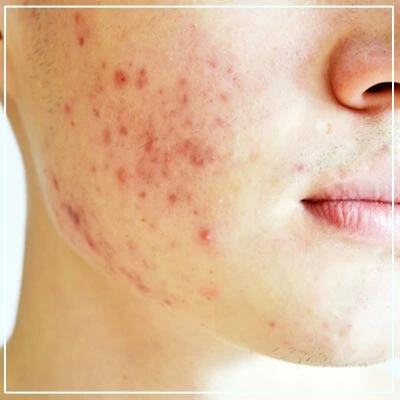
Acne is one of the most common skin concerns affecting teenagers and adults. While occasional pimples may resolve on their own, persistent or severe acne can lead to inflammation, pigmentation, and permanent acne scars. Choosing the right Acne Treatment depends on the type and severity of acne, skin type, underlying causes, and whether scarring is already present. At Ambrosia Aesthetics, Dr. Niketa Sonavane provides personalized dermatological care for acne, acne scars, pigmentation, and other skin concerns, with treatment plans designed according to individual skin requirements.
Acne Treatment: Understanding the Causes and Available Options
Acne develops when hair follicles become blocked with oil, dead skin cells, and other debris. Increased oil production, hormonal fluctuations, inflammation, and bacterial activity can contribute to breakouts.
Acne may appear as:
- Blackheads and whiteheads
- Small red bumps
- Pus-filled pimples
- Painful nodules
- Deep cystic lesions
The face is commonly affected, but acne can also occur on the chest, back, shoulders, and other areas.
Several factors may contribute to acne, including hormonal changes, genetics, certain medications, stress, and skincare or cosmetic products. Identifying the underlying factors can help a dermatologist select an appropriate treatment approach.
Dr. Niketa Sonavane – Dermatologist in Mumbai
Dr. Niketa Sonavane is a qualified dermatologist and aesthetic physician based in Mumbai. She has completed her MBBS and MD in Dermatology, Venereology and Leprosy and has undergone advanced training in cosmetic dermatology and aesthetic procedures.
As a Dermatologist in Mumbai, Dr. Niketa Sonavane’s areas of expertise include acne and acne scar management, pigmentation, anti-ageing treatments, laser procedures, chemical peels, skin rejuvenation, injectables, and other cosmetic dermatology procedures.
Her approach focuses on understanding the patient’s skin condition and developing a customized treatment plan. Acne management may involve a combination of prescription medications, clinical procedures, skincare, and lifestyle-related recommendations depending on the patient’s individual needs.
People looking for a Top Dermatologist in Mumbai can consult a qualified specialist to understand the cause of persistent acne and the most appropriate treatment options.
What Types of Acne Need Medical Treatment?
Not every pimple requires professional intervention. Mild acne may sometimes improve with appropriate skincare and over-the-counter products. However, professional evaluation becomes more important when acne is persistent, painful, widespread, or leaving marks and scars.
A dermatologist may recommend medical assessment for:
- Persistent breakouts
- Moderate or severe inflammatory acne
- Painful cysts or nodules
- Acne that is leaving dark spots
- Recurrent acne
- Acne associated with hormonal changes
- Acne that is causing visible scarring
- Acne that has not improved with basic skincare
Early management can be useful because controlling active inflammation may help reduce the risk of developing additional acne scars.
How Is Acne Diagnosed?
A dermatologist generally examines the skin and evaluates the type, severity, distribution, and duration of acne. Medical history, previous treatments, medications, menstrual or hormonal patterns, and skincare routines may also be discussed.
The dermatologist may determine whether the acne is primarily comedonal, inflammatory, nodular, cystic, or associated with another skin condition.
The treatment plan is then customized according to the patient’s age, skin type, severity of acne, and risk of scarring.
Acne Treatment Options
The appropriate Acne Treatment varies from person to person. Depending on the diagnosis, a dermatologist may recommend topical or oral medications, procedures, or a combination of approaches.
Topical Treatments
Topical medications may include ingredients that help unclog pores, reduce inflammation, control oil production, or limit acne-causing bacterial activity.
Oral Medications
For moderate to severe acne, oral medication may sometimes be recommended. These medicines should only be taken under medical supervision because the appropriate drug, dosage, duration, and monitoring requirements vary between patients.
Chemical Peels
Certain chemical peels may be used as part of acne management or to improve the appearance of post-acne marks. The type and concentration of peel should be selected according to skin type and the condition being treated.
Laser and Light-Based Procedures
Certain laser or light-based treatments may be considered for selected acne and acne-scar concerns. These procedures should be performed after appropriate assessment because not every laser treatment is suitable for every skin type.
Personalized Skin Care
A dermatologist may also recommend a simple skincare routine involving appropriate cleansing, moisturization, and sun protection. Avoiding unnecessary or harsh products can help reduce irritation.
Acne Scars: Why Early Treatment Matters
Acne scars can develop when inflammation damages deeper layers of the skin. Picking or squeezing pimples can also increase the risk of scarring.
Acne scars can be broadly categorized into different types, including:
- Ice-pick scars
- Boxcar scars
- Rolling scars
- Hypertrophic or raised scars
Post-inflammatory pigmentation is different from a true scar but can remain visible after acne has healed.
The earlier active acne is controlled, the more effectively new lesions and potential scarring can be managed. Existing scars may require a separate treatment strategy after active acne has been brought under control.
Treating Acne Scars
Once active acne is adequately controlled, treatment can focus on improving the appearance of established scars.
Depending on the type and depth of scarring, dermatologists may consider:
- Chemical peels
- Microneedling
- Fractional laser treatments
- Subcision
- Dermal fillers for selected depressed scars
- Combination procedures
No single procedure works equally well for every type of acne scar. A dermatologist evaluates the scar pattern, depth, skin type, pigmentation tendency, and previous treatments before recommending a procedure.
Multiple sessions may sometimes be required, and improvement generally occurs gradually.
Benefits and Possible Risks
Professional acne care can help control active breakouts, reduce inflammation, minimize the development of new lesions, and address post-acne marks or scars.
However, dermatological treatments can have potential side effects. Depending on the medication or procedure, patients may experience dryness, redness, temporary irritation, sensitivity, pigmentation changes, or other reactions.
Certain prescription acne medications also require medical monitoring and should not be used without professional guidance.
A consultation with a qualified Dermatologist in Mumbai can help establish whether a particular treatment is appropriate for your skin.
Skin Care During Acne Treatment
An effective skincare routine can complement medical treatment. General measures may include:
- Cleanse the skin gently
- Avoid excessive scrubbing
- Use non-comedogenic skincare products when recommended
- Apply sunscreen regularly
- Avoid squeezing or picking pimples
- Keep makeup tools clean
- Follow the dermatologist’s prescribed routine consistently
Patients should avoid repeatedly changing acne products without professional guidance, as excessive use of active ingredients can irritate the skin and potentially worsen inflammation.
Clinic Environment at Ambrosia Aesthetics
Ambrosia Aesthetics provides dermatological and aesthetic treatments in a professional clinical environment. Dr. Niketa Sonavane’s practice focuses on individualized skin assessment and customized treatment planning for concerns including acne, acne scars, pigmentation, ageing, and other aesthetic skin conditions.
A consultation provides an opportunity to discuss the duration and severity of acne, previous treatments, skincare habits, and concerns about scarring. The treatment plan can then be tailored to the patient’s specific skin condition.
For patients seeking a Top Dermatologist in Mumbai, selecting a clinic with appropriate dermatological expertise and individualized treatment planning is an important consideration.
When Should You Consult Dr. Niketa Sonavane?
Consider a dermatology consultation if acne is persistent, painful, recurring, or leaving marks and scars. Professional care can be particularly useful when basic skincare has not produced adequate improvement.
Dr. Niketa Sonavane can assess active acne and existing scars and determine whether medications, procedures, skincare changes, or a combination approach may be appropriate.
Book an Appointment With Dr. Niketa Sonavane
If you are looking for professional Acne Treatment, consult Dr. Niketa Sonavane at Ambrosia Aesthetics for a personalized evaluation of your skin.
📞 9930993600 | 9930992400
📧 dr.niketa@live.com
Get Directions to the Clinic – Ambrosia Aesthetics, Mumbai
Frequently Asked Questions
1. What is the best Acne Treatment for persistent acne?
There is no single treatment that works for everyone. The appropriate option depends on the type and severity of acne, skin type, underlying causes, and whether scarring or pigmentation is present. A dermatologist can develop an individualized plan.
2. Can Acne Treatment prevent acne scars?
Early and appropriate management of inflammatory acne may help reduce the risk of new acne scars. Avoiding squeezing or picking pimples is also important.
3. Can acne scars be completely removed?
Existing acne scars can often be improved, but complete removal is not always possible. Treatment depends on the scar type, depth, skin characteristics, and previous treatments. Multiple procedures may be recommended for better improvement.
4. How long does acne treatment take to show results?
The timeframe varies according to acne severity and the treatment used. Some treatments may require several weeks before noticeable improvement occurs. Consistency with the recommended treatment plan is important.