
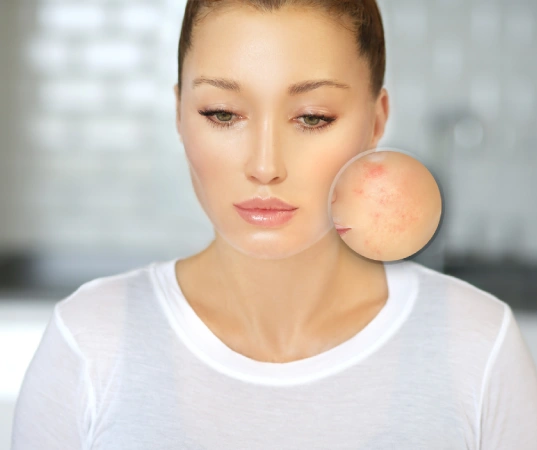
Scars are a natural part of the skin’s healing process following injuries, acne, burns, or surgical procedures. While some scars gradually fade, others remain raised, depressed, discoloured, or uneven, affecting skin texture and sometimes confidence. Advances in dermatology and plastic surgery have introduced several techniques to improve scar appearance and skin quality. Scar removal Treatment focuses on reducing scar visibility through medical, minimally invasive, and surgical approaches. At Jewel Aesthetic Centre in Juhu, Mumbai, Dr. Devayani Barve provides individualised scar assessment and treatment options based on scar type, severity, and skin characteristics.
Understanding Scars and Their Formation
Scars develop when the skin repairs damaged tissue by producing collagen. The appearance of a scar depends on the depth of injury, wound healing, genetics, skin type, and location.
Some scars become less noticeable over time, while others may remain prominent or cause discomfort.
Common types include:
- Acne scars: Depressed or uneven marks caused by inflammatory acne.
- Hypertrophic scars: Raised scars that remain within the original wound boundaries.
- Keloid scars: Thickened scar tissue extending beyond the original injury.
- Surgical scars: Marks resulting from medical or cosmetic procedures.
- Burn scars: Scars that may cause pigmentation changes, tightness, or restricted movement.
- Traumatic scars: Marks caused by accidents, cuts, or other injuries.
Identifying the type of scar is essential because different scars respond to different treatments.
When Should You Consider Scar Removal Treatment?
Scar correction may be considered when scars affect appearance, cause discomfort, or interfere with normal movement.
Common reasons for seeking treatment include:
- Persistent acne scars affecting facial texture.
- Raised or thickened scars after surgery.
- Visible scars following injuries or burns.
- Uneven skin pigmentation around healed wounds.
- Scars causing itching, tightness, or tenderness.
- Scar contractures restricting movement.
Not every scar requires medical intervention. A specialist may recommend observation, silicone-based products, or other conservative treatments before considering procedures.
Different Types of Scar Correction Procedures
Modern scar management includes several treatment options selected according to scar depth, age, location, and individual skin characteristics.
1. Laser Scar Treatment
Fractional laser procedures create controlled areas of skin injury to stimulate collagen remodelling and improve scar texture.
Laser treatment may be useful for certain acne scars, surgical scars, and uneven skin surfaces. Multiple sessions may be necessary.
2. Radiofrequency Microneedling
Radiofrequency microneedling combines fine needles with controlled radiofrequency energy to stimulate collagen production.
Dr. Devayani Barve’s treatment information describes Morpheus8 as one option for improving scar texture and encouraging tissue remodelling.
This approach may be considered for selected acne scars and postoperative scars.
3. Surgical Scar Revision
Surgical revision may be recommended for wide, deep, irregular, or poorly positioned scars.
The procedure involves removing or repositioning scar tissue and carefully closing the wound to create a potentially less noticeable scar.
Surgical revision does not eliminate scarring completely.
4. Chemical Peels and Microneedling
Chemical peels encourage controlled exfoliation, while microneedling stimulates collagen production through small skin punctures.
These techniques may help improve selected superficial scars and uneven skin texture.
5. Steroid Injections and Silicone Therapy
Raised hypertrophic scars and certain keloids may respond to corticosteroid injections or silicone gels and sheets.
These treatments aim to soften, flatten, or reduce scar thickness. Recurrence is possible, particularly with keloids.
Benefits and Risks of Scar Removal Treatment
Scar correction aims to improve skin appearance while maintaining normal skin function.
Potential Benefits
- Reduced visibility of certain scars.
- Improved skin texture and surface irregularities.
- Softening of raised or thickened scar tissue.
- Improved flexibility in selected restrictive scars.
- Reduced discomfort associated with certain scars.
- Improved satisfaction with skin appearance.
Possible Risks and Limitations
Depending on the procedure, possible complications include:
- Temporary redness, swelling, or irritation.
- Post-inflammatory hyperpigmentation or hypopigmentation.
- Infection or delayed wound healing.
- Changes in skin texture.
- Recurrence of hypertrophic or keloid scars.
- Formation of additional scars following surgical revision.
Complete scar removal is generally not possible. Treatment aims to improve appearance rather than restore the skin to its original condition.
Dr. Devayani Barve: Academic Qualifications and Professional Background
Dr. Devayani Barve is a plastic, aesthetic, and reconstructive surgeon practising at Jewel Aesthetic Centre in Juhu, Mumbai.
Her official professional profile describes more than 18 years of medical and surgical experience, along with advanced training in India and the United States.
Academic Qualifications
- MBBS (2007): KEM Hospital, Mumbai.
- MS in General Surgery (2010): KEM Hospital, Mumbai.
- M.Ch in Plastic Surgery (2013): Postgraduate Institute of Medical Education and Research (PGIMER), Chandigarh.
- ECFMG Certification (2015): United States.
- ASAPS International Aesthetic Fellowship (2016–2017).
Advanced Training and Clinical Experience
Dr. Devayani Barve completed additional fellowship training in aesthetic and breast surgery in Miami, USA, and participated in the VEST programme at the University of Miami.
Her professional experience includes serving as an Assistant Professor of Plastic Surgery at Christian Medical College, Vellore.
She is associated with professional organisations including the Association of Plastic Surgeons of India and the Indian Association of Aesthetic Plastic Surgeons.
Her clinical interests include reconstructive procedures, body contouring, facial aesthetic surgery, and non-surgical skin treatments.
Her website describes her as a Celebrity Plastic Surgeon in Mumbai, India. As a plastic surgeon in Mumbai, India, she evaluates scars from both aesthetic and reconstructive perspectives, considering their appearance and functional impact.
Jewel Aesthetic Centre: Clinic Environment and Expertise
Jewel Aesthetic Centre is located in Juhu, Mumbai, and provides consultations for surgical and non-surgical aesthetic treatments.
According to the clinic’s published information, it offers a private consultation environment supported by an all-women team.
The centre’s treatment portfolio includes radiofrequency microneedling, laser-based skin treatments, and surgical scar revision.
Patients considering Scar removal Treatment undergo assessment of scar characteristics, skin type, medical history, and treatment expectations.
Dr. Devayani Barve is also associated with Nanavati Max Super Speciality Hospital and Lilavati Hospital in Mumbai, supporting access to hospital-based surgical care when appropriate.
Approximate Cost of Scar Removal Treatment in Mumbai
The cost of scar correction depends on the type of scar, treatment technique, number of sessions, and complexity of the procedure.
Indicative costs in Mumbai may include:
- Chemical peels: ₹2,000–₹6,000 per session.
- Microneedling: ₹3,000–₹10,000 per session.
- Laser scar treatment: ₹5,000–₹20,000 per session.
- Radiofrequency microneedling: ₹10,000–₹30,000 per session.
- Surgical scar revision: ₹15,000–₹60,000 or more.
These are broad estimates, not verified prices at Jewel Aesthetic Centre. An individual quotation is necessary to determine the expected treatment expense.
Precautions and Aftercare Advice
Appropriate aftercare supports skin healing and helps minimise complications.
Patients are generally advised to:
- Avoid direct sun exposure and use broad-spectrum sunscreen.
- Keep the treated area clean according to medical instructions.
- Avoid scratching, picking, or rubbing healing skin.
- Use prescribed moisturisers or medications.
- Avoid harsh exfoliating products until the skin recovers.
- Attend follow-up appointments.
- Report increasing redness, pain, swelling, or discharge.
Recovery varies according to the procedure. Superficial treatments may involve a few days of downtime, while surgical revision may require several weeks of initial healing.
Frequently Asked Questions (FAQs)
1. Can scars be removed permanently?
Scars cannot usually be erased completely. However, laser therapy, microneedling, injections, and surgical revision may significantly improve their appearance. Results depend on scar characteristics and individual healing responses.
2. How many sessions are required for scar treatment?
The number of sessions depends on the scar type, depth, and treatment selected. Some patients may benefit from two to four sessions, while deeper scars may require additional procedures.
3. Is scar removal painful?
Most minimally invasive procedures cause mild to moderate discomfort. Numbing creams or local anaesthesia may be used. Surgical revision is performed with appropriate anaesthesia.
4. Can old scars be treated successfully?
Yes. Older scars may respond to laser resurfacing, radiofrequency microneedling, or surgical revision. However, improvement varies, and complete disappearance should not be expected.
Book a Consultation with Dr. Devayani Barve
If you are concerned about acne scars, surgical marks, burn scars, or injury-related scarring, consult Dr. Devayani Barve at Jewel Aesthetic Centre for an assessment and personalised treatment guidance.
+91 91673 34189 | +91 91360 41545 | +91 90823 98791
doctorbarve@gmail.com
Get Directions to the Clinic – Jewel Aesthetic Centre, Mumbai