
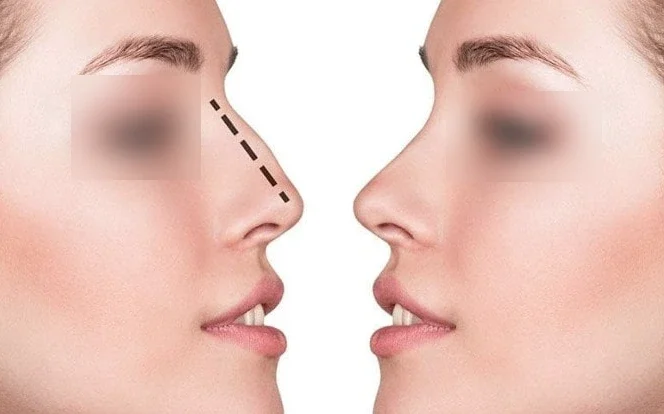
Breathing comfortably through the nose is essential for restful sleep, physical activity, and overall respiratory health. However, a deviated nasal septum can obstruct airflow, causing persistent nasal congestion, mouth breathing, snoring, and difficulty sleeping. While medications may help control associated inflammation, structural nasal problems sometimes require surgical correction. Septoplasty surgery in Mumbai is a procedure designed to straighten the nasal septum and improve airflow through the nasal passages. At Kokilaben Dhirubhai Ambani Hospital, Dr. Shama Kovale provides ENT consultations and surgical management for patients experiencing nasal obstruction and related conditions.
Understanding Septoplasty Surgery
Septoplasty is a surgical procedure performed to correct a deviated nasal septum. The nasal septum is the wall of cartilage and bone separating the two nasal passages. Ideally, it lies near the centre, allowing air to pass through both sides of the nose.
However, the septum may become displaced due to congenital differences, nasal injuries, or developmental changes. A significant deviation can narrow one or both nasal passages, making breathing difficult.
Septoplasty involves repositioning or reshaping the affected cartilage and bone to improve nasal airflow. Unlike cosmetic rhinoplasty, its primary purpose is to improve nasal function rather than change external appearance.
When Is Septoplasty Surgery in Mumbai Recommended?
Not every deviated septum requires surgery. Many individuals have minor deviations without experiencing significant symptoms. Surgery is generally considered when nasal obstruction affects daily activities and does not improve sufficiently with appropriate medical treatment.
Common indications include:
- Persistent nasal blockage affecting one or both nostrils.
- Difficulty breathing through the nose during sleep.
- Frequent mouth breathing and associated dryness.
- Recurrent nasal congestion despite medication.
- Nasal obstruction following an injury.
- Difficulty tolerating certain sleep-related breathing treatments.
A deviated septum may also coexist with sinusitis, allergies, or enlarged nasal turbinates. An ENT evaluation helps determine whether septal deviation is the main cause of symptoms.
How Is Septoplasty Surgery Performed?
Patients considering Septoplasty surgery in Mumbai generally undergo a detailed examination before the procedure. The ENT specialist reviews symptoms, previous treatments, medical history, and nasal anatomy.
Step 1: Preoperative Evaluation
The surgeon examines the nasal passages using appropriate instruments. Nasal endoscopy may help identify septal deviation, enlarged turbinates, polyps, or other abnormalities.
CT imaging may be recommended when associated sinus disease or complex anatomy requires further assessment.
Step 2: Anaesthesia
Septoplasty is commonly performed under general anaesthesia, although local anaesthesia with sedation may be appropriate in selected cases.
The anaesthesia plan depends on the patient’s health, surgical requirements, and medical recommendations.
Step 3: Septal Correction
The surgeon usually makes an incision inside the nose to access the septum. Deviated cartilage and bone are carefully reshaped, repositioned, or partially removed while preserving adequate structural support.
Additional procedures, such as turbinate reduction, may be performed when medically necessary.
Step 4: Postoperative Monitoring
Internal splints or absorbable packing may be used depending on the surgical technique.
Many patients return home the same day, while others may require overnight observation. The procedure commonly takes approximately 30–90 minutes, although combined surgeries may take longer.
Benefits and Risks of Septoplasty Surgery
Septoplasty aims to improve nasal airflow by correcting structural obstruction.
Potential Benefits
- Improved breathing through the nose.
- Reduced symptoms of persistent nasal obstruction.
- Better comfort during sleep.
- Less dependence on mouth breathing.
- Improved airflow during physical activities.
- Potential improvement in symptoms associated with structural blockage.
However, septoplasty does not directly cure allergies or guarantee resolution of snoring or sleep apnoea.
Possible Risks
As with any surgical procedure, septoplasty carries certain risks, including:
- Bleeding or postoperative infection.
- Temporary nasal swelling and congestion.
- Persistent or recurrent nasal obstruction.
- Septal perforation.
- Changes in nasal shape.
- Temporary numbness affecting the upper teeth or nose.
- Rare complications associated with anaesthesia.
Discussing expected benefits, limitations, and possible complications with the surgeon is essential before proceeding.
Dr. Shama Kovale: Academic Qualifications and Professional Background
Dr. Shama S. Kovale is a consultant ENT surgeon at Kokilaben Dhirubhai Ambani Hospital, Mumbai, with more than two decades of clinical experience in diagnosing and treating ear, nose, and throat disorders.
Academic Qualifications
Her educational background includes:
- MBBS: B.Y.L. Nair Hospital and T.N. Medical College, Mumbai.
- DLO/DORL: Postgraduate diploma training in otorhinolaryngology.
- MS (ENT): B.Y.L. Nair Hospital and T.N. Medical College, Mumbai.
Advanced Training and Clinical Experience
Dr. Shama Kovale has undertaken advanced training in voice and swallowing disorders at the University of California, Davis, USA. Her additional fellowship experience includes phonosurgery and cochlear implant surgery.
Her clinical expertise includes endoscopic sinus surgery, nasal disorders, airway conditions, ear surgery, and specialised voice and swallowing treatments.
She has been associated with institutions including P.D. Hinduja Hospital, Asian Heart Institute, and Global Hospital.
As an ENT Specialist in Mumbai, Dr. Shama Kovale evaluates patients with nasal obstruction and other ENT conditions. Individuals seeking an ENT Doctor in Mumbai may consult her to understand whether medical treatment or surgical intervention is appropriate.
Her clinical profile also describes academic contributions, professional recognition, and involvement in complex ENT surgical procedures.
Clinic Environment and Surgical Facilities
Dr. Shama Kovale practices at Kokilaben Dhirubhai Ambani Hospital in Andheri West, Mumbai.
The hospital has a multidisciplinary ENT department supported by diagnostic technology, endoscopic systems, surgical equipment, and specialist medical teams.
Patients undergoing Septoplasty surgery in Mumbai may require coordinated care involving ENT surgeons, anaesthesiologists, nursing professionals, and postoperative support teams.
The hospital’s ENT services include evaluation and treatment of nasal obstruction, sinus disorders, ear conditions, and voice-related problems. These facilities support comprehensive assessment and individualised treatment planning.
Approximate Cost of Septoplasty Surgery in Mumbai
The cost of septoplasty varies depending on the hospital, surgeon’s fees, anaesthesia, complexity of the deviation, and whether additional procedures are required.
As a general estimate, septoplasty in Mumbai may cost approximately ₹40,000–₹1,20,000 or more.
Factors influencing the overall cost include:
- Preoperative consultations and diagnostic investigations.
- Surgical and anaesthesia charges.
- Hospital room category and duration of admission.
- Additional procedures such as turbinate reduction.
- Medications and postoperative follow-up visits.
These figures are indicative market estimates, not verified charges at Kokilaben Dhirubhai Ambani Hospital. Patients considering Septoplasty surgery in Mumbai should request a personalised estimate after clinical evaluation. Insurance coverage may be available when the procedure is medically necessary, depending on policy terms.
Precautions and Aftercare Following Septoplasty
Following the surgeon’s postoperative instructions is important for recovery and reducing complications.
Before Surgery
Patients should inform their doctor about existing medical conditions, allergies, medications, and previous nasal surgeries. Blood-thinning medicines may require adjustment under medical supervision.
After Surgery
- Avoid forcefully blowing the nose until permitted.
- Keep the head elevated while resting.
- Avoid strenuous exercise and heavy lifting during early recovery.
- Use prescribed nasal saline sprays or rinses as instructed.
- Avoid smoking and exposure to dust or irritants.
- Attend scheduled follow-up appointments.
- Avoid inserting objects into the nasal passages.
Initial recovery commonly takes one to two weeks, although internal healing may continue for several months. Patients should seek prompt medical attention for heavy bleeding, high fever, worsening pain, or breathing difficulties.
Frequently Asked Questions (FAQs)
1. Is septoplasty surgery painful?
Septoplasty is performed under anaesthesia, so patients should not experience pain during surgery. Mild discomfort, congestion, and pressure may occur afterward and are generally managed with prescribed medications.
2. How long does recovery take after septoplasty?
Many patients resume routine, non-strenuous activities within approximately one to two weeks. Complete internal healing takes longer, and recovery varies depending on the procedure and individual health.
3. Does septoplasty change the shape of the nose?
Septoplasty primarily corrects internal nasal structures and generally does not intentionally change the external appearance. However, changes in nasal shape are a possible complication, and some patients may require combined septorhinoplasty.
4. Is septoplasty a permanent solution for nasal blockage?
Septoplasty can provide long-lasting improvement when septal deviation is the main cause of obstruction. However, allergies, turbinate enlargement, or other nasal conditions may continue to cause symptoms.
Book a Consultation with Dr. Shama Kovale
If you are experiencing persistent nasal congestion, difficulty breathing through your nose, or symptoms associated with a deviated septum, consult Dr. Shama Kovale for an ENT assessment and personalised treatment guidance.
+91 91528 50769
drshamakovaleent@gmail.com
Get Directions to the Clinic – Kokilaben Dhirubhai Ambani Hospital