
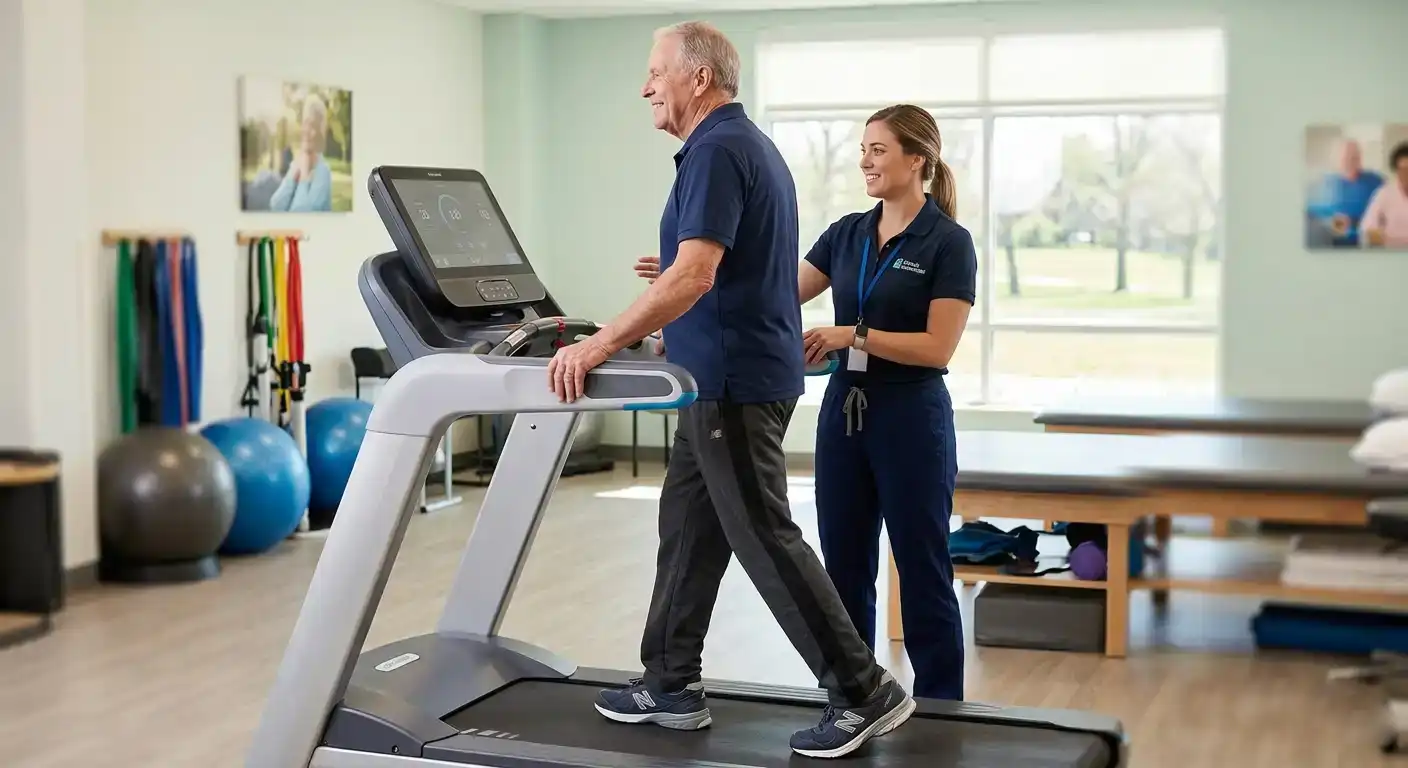
Lumbar canal stenosis is a common spinal condition that can affect mobility, comfort and quality of life, particularly as people grow older. It occurs when the spinal canal in the lower back becomes narrower, putting pressure on the nerves responsible for movement and sensation in the legs. Patients may experience lower back pain, leg weakness, numbness, tingling and difficulty walking for extended periods. Seeking Lumbar canal stenosis treatment in Mumbai at the right time can help manage these symptoms, relieve nerve compression and improve overall mobility through appropriate medical care.
Timely diagnosis and appropriate treatment can help manage symptoms and improve everyday functioning. At Synapse Spine, patients can access comprehensive spine care, including conservative management and advanced surgical solutions. Choosing the right Lumbar canal stenosis treatment in Mumbai involves understanding the severity of nerve compression and identifying a treatment approach suited to individual needs.
Synapse Spine brings together experienced spine surgeons and neurosurgeons who focus on accurate diagnosis, personalised treatment planning and patient-centred care.
Understanding Lumbar Canal Stenosis and Its Causes
The lumbar spine consists of five vertebrae in the lower back. These vertebrae protect the spinal nerves that travel towards the legs. The spinal canal provides space for these nerves to function properly.
When this canal becomes narrow, the nerves may get compressed, resulting in lumbar spinal stenosis.
Common causes include:
- Age-related degeneration: Natural wear and tear can affect spinal structures over time.
- Thickened ligaments: Ligaments surrounding the spinal canal may become thicker and reduce available space.
- Bone spurs: Extra bone growth around spinal joints can contribute to narrowing.
- Degenerative disc changes: Disc deterioration may alter spinal alignment and contribute to nerve compression.
- Arthritis: Changes in the spinal joints can reduce the space available for nerves.
- Spondylolisthesis: Slippage of one vertebra over another may contribute to spinal canal narrowing.
Recognising these causes helps spine specialists determine the appropriate management strategy.
Lumbar Canal Stenosis Treatment in Mumbai: Symptoms and Treatment Options
People with lumbar canal stenosis may experience different symptoms depending on the location and severity of nerve compression. One characteristic symptom is neurogenic claudication, which causes discomfort while standing or walking.
Common symptoms include:
- Persistent lower back pain.
- Pain spreading from the lower back to the buttocks and legs.
- Numbness or tingling in the legs and feet.
- Weakness in one or both legs.
- Difficulty walking for long distances.
- Relief from symptoms when sitting or bending forward.
- Reduced balance and difficulty performing routine activities.
Some patients notice that they can walk more comfortably while leaning forward or pushing a shopping trolley. This happens because bending forward can temporarily increase the space available for compressed nerves.
If symptoms progressively worsen or interfere with daily activities, consulting a spine specialist for Lumbar canal stenosis treatment in Mumbai is important to receive timely diagnosis and appropriate medical care.
Lumbar Canal Stenosis Treatment in Mumbai at Synapse Spine
At Synapse Spine, treatment focuses on identifying the cause of spinal canal narrowing and understanding how it affects the patient’s mobility and quality of life. The treatment approach depends on the patient’s age, symptoms, medical history, imaging findings and overall spinal health.
The available treatment options may include:
1. Physiotherapy and Exercise
Physiotherapy is often recommended for patients with mild to moderate symptoms. A customised exercise programme can strengthen the abdominal and back muscles, improve flexibility and support spinal stability.
Specific exercises may include:
- Core strengthening exercises.
- Pelvic tilts.
- Gentle stretching.
- Stationary cycling.
- Controlled mobility exercises.
A trained physiotherapist can recommend exercises according to the patient’s condition and physical capacity.
2. Medications for Pain Management
Doctors may prescribe appropriate medications to manage pain, inflammation and nerve-related symptoms. Medication selection depends on the patient’s health condition and the severity of symptoms. Patients should avoid self-medication and follow professional advice.
3. Spinal Injections
In selected cases, spinal injections may help reduce inflammation around irritated nerves and provide temporary symptom relief. Depending on the diagnosis, specialists may recommend epidural steroid injections or targeted nerve root blocks.
These procedures are generally considered alongside other treatment options rather than as a permanent solution to structural narrowing.
4. Minimally Invasive Spine Surgery
When conservative treatments do not provide sufficient relief, minimally invasive procedures may be considered. These techniques use specialised instruments and smaller incisions to access the affected spinal area.
Potential advantages include:
- Smaller surgical incisions.
- Reduced muscle disruption.
- Less blood loss in suitable cases.
- Potentially shorter hospital stays.
- Earlier mobilisation in selected patients.
The suitability of surgery depends on the extent and location of spinal narrowing.
5. Lumbar Decompression Surgery
Decompression surgery aims to create more space for compressed spinal nerves. A procedure such as laminectomy may involve removing a portion of the vertebral bone or thickened tissue that is contributing to nerve compression.
The main objective is to relieve pressure on the nerves and improve symptoms such as leg pain, numbness and walking difficulty.
6. Spinal Fusion Surgery
If lumbar canal stenosis is accompanied by spinal instability or significant vertebral slippage, spinal fusion may be considered. This procedure joins selected vertebrae to provide stability.
Not every patient with spinal stenosis requires fusion. The decision depends on individual spinal anatomy, instability and clinical findings.
How Is Lumbar Canal Stenosis Diagnosed?
An accurate diagnosis is essential before selecting treatment. A spine specialist generally begins with a detailed medical history and physical examination.
Diagnostic assessments may include:
- Neurological examination: Evaluates muscle strength, sensation, reflexes and walking ability.
- MRI scan: Helps identify narrowed spinal spaces and nerve compression.
- X-rays: Assess spinal alignment, degenerative changes and possible vertebral slippage.
- CT scan: Provides detailed information about bones and spinal structures.
- Additional investigations: May be recommended when symptoms suggest other conditions.
The results help doctors understand the severity of the condition and recommend an appropriate treatment plan.
Why Choose Synapse Spine for Spine Care in Mumbai?
Synapse Spine brings together orthopaedic spine surgeons and neurosurgeons to provide comprehensive care for different spinal conditions. The team focuses on evidence-based treatment, accurate diagnosis and individualised management.
Some of the specialists associated with the team include:
- Dr. Nandan Marathe: An orthopaedic spine surgeon with MBBS and MS Orthopaedics qualifications from Seth GS Medical College and KEM Hospital, Mumbai. He has completed advanced fellowship training in complex spine surgery and deformity at the University of Toronto, with additional training in spinal tumours in Italy and minimally invasive and endoscopic spine surgery in South Korea. His profile also highlights extensive research contributions.
- Dr. Anuj Bhide: A brain and spine surgeon with MBBS, MS General Surgery and MCh Neurosurgery qualifications. He is a gold medallist from Grant Medical College and JJ Hospitals and has completed fellowship training in skull base and vascular surgery at Fujita Health University, Japan. He has over nine years of experience as a consultant brain and spine surgeon.
- Dr. Aditya Raj: An orthopaedic spine surgeon with MBBS and MS Orthopaedics qualifications. He has completed advanced spine fellowships at the University of Toronto and Stavya Spine Hospital, along with specialised training in minimally invasive and endoscopic spine surgery in South Korea.
- Dr. Medha Vyas: A neurosurgeon with MBBS and DNB Neurosurgery qualifications. Her profile highlights experience with more than 1,000 brain and spine surgeries and expertise in minimally invasive neurosurgical procedures.
The team includes specialists from orthopaedic and neurosurgical backgrounds, supporting a multidisciplinary approach to complex spinal conditions.
Patient-Centred Clinic Environment
Synapse Spine has a network of consultation centres across Mumbai and the Mumbai Metropolitan Region, including Andheri, Bandra, Chembur, Goregaon, Malad, Borivali and other locations.
Patients can access consultations and specialist guidance through its clinic network and affiliated hospitals. The focus is on clear communication, personalised treatment planning and coordinated care throughout the treatment journey.
The clinic’s approach aims to help patients understand their condition, available treatment choices and expected recovery requirements before making important decisions.
Tips for Managing Lumbar Canal Stenosis in Daily Life
Along with medical treatment, certain lifestyle modifications may help patients manage symptoms and maintain mobility.
- Avoid standing in one position for prolonged periods.
- Take short breaks during walking activities.
- Use supportive seating that allows comfortable forward bending.
- Consider low-impact activities such as stationary cycling, if approved by your doctor.
- Follow prescribed physiotherapy exercises.
- Maintain a healthy body weight to reduce additional stress on the spine.
- Avoid heavy lifting and movements that aggravate symptoms.
Following these precautions and attending regular medical reviews can help patients manage their condition more effectively.
When Should You Consult a Spine Specialist?
You should consult a specialist if lower back pain, leg numbness or walking difficulties persist or gradually worsen. Early medical assessment can help identify nerve compression and prevent unnecessary delays in treatment.
Patients experiencing progressive leg weakness, new bladder or bowel control problems, or numbness around the groin and saddle region require urgent medical assessment.
If you are experiencing these symptoms, consulting a Spine specialist Doctor in Mumbai can help you understand the available treatment options and make informed decisions about your spinal health.
Contact Synapse Spine
📞 +91 81698 45056 | +91 93726 71858 | +91 93211 24611
📧 synapsespine@gmail.com
Get Directions to the Clinic – Synapse Spine, Mumbai
Book your appointment today and get expert guidance for your spine health.
Frequently Asked Questions (FAQs)
1. What is the best treatment for lumbar canal stenosis?
The best treatment depends on the severity of spinal narrowing and the patient’s symptoms. Mild cases may improve with physiotherapy, medications and lifestyle modifications. Severe cases involving persistent nerve compression may require decompression surgery or other surgical procedures.
2. Can lumbar canal stenosis be treated without surgery?
Yes. Many patients can manage their symptoms through physiotherapy, prescribed medications, spinal injections and appropriate lifestyle changes. Surgery is generally considered when conservative treatment does not provide sufficient relief or neurological symptoms progress.
3. Is lumbar canal stenosis surgery safe?
Lumbar canal stenosis surgery is commonly performed when medically indicated. However, like every surgical procedure, it involves potential risks, including infection, bleeding, nerve injury and complications related to anaesthesia. An experienced surgeon evaluates the patient’s health and spinal condition before recommending surgery.
4. How long does recovery take after lumbar stenosis surgery?
Recovery varies depending on the type of procedure, the patient’s general health and the severity of nerve compression. Some patients can begin walking shortly after surgery, while complete recovery and rehabilitation may take several weeks or longer.