
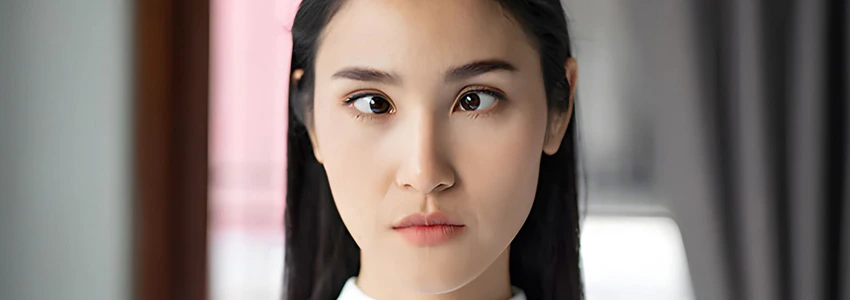
Healthy vision depends on both eyes working together in proper alignment. However, some children and adults experience a condition in which their eyes point in different directions. This condition is medically known as strabismus or squint. It can affect visual development, depth perception and everyday activities if left untreated. Early diagnosis and appropriate care are important for maintaining healthy vision and preventing complications.
If you are looking for Squint treatment in Greater Noida, Dr. Tanima Bansal at Oculus Eye Clinic provides specialised ophthalmic care and comprehensive eye evaluations. With expertise in ophthalmology, glaucoma and anterior segment procedures, she focuses on accurate diagnosis and personalized treatment according to each patient’s visual needs.
What Is Squint and Why Does It Occur?
Squint, also called strabismus, is an eye condition in which both eyes do not look in the same direction simultaneously. While one eye focuses on an object, the other may turn inward, outward, upward or downward. The condition may be constant or appear occasionally.
Normally, six muscles around each eye work together to coordinate eye movements. When these muscles or the nerves controlling them do not function in coordination, eye misalignment can develop.
Squint can occur during infancy or childhood, although adults can also develop it due to medical conditions, injuries or nerve-related problems.
Types of Squint
Understanding the different types of squint helps doctors determine the appropriate treatment approach.
1. Esotropia: One or both eyes turn inward towards the nose. This type is commonly seen in children and may be associated with farsightedness.
2. Exotropia: One eye turns outward, away from the nose. It may become more noticeable when a person is tired, unwell or looking at distant objects.
3. Hypertropia: One eye turns upward in relation to the other eye, affecting normal visual alignment.
4. Hypotropia: One eye turns downward compared with the other eye.
Each type requires an individual assessment because the underlying cause, severity and treatment requirements can differ.
Common Causes of Squint
Several factors can contribute to the development of strabismus. Identifying the cause is an important part of planning treatment.
- Muscle Imbalance: Weakness or overactivity of the muscles responsible for eye movement can affect alignment.
- Nerve Problems: Conditions affecting the nerves that control eye muscles may lead to abnormal eye movements.
- Refractive Errors: Uncorrected farsightedness can cause the eyes to turn inward in some children.
- Genetic Factors: A family history of squint may increase the likelihood of developing the condition.
- Congenital Conditions: Some children are born with squint or develop it during early infancy.
- Medical Conditions: Cerebral palsy, Down syndrome, neurological disorders and head injuries may be associated with eye misalignment.
Early consultation with an ophthalmologist can help identify these contributing factors and determine whether further investigations are required.
Symptoms of Squint You Should Not Ignore
Squint symptoms can vary depending on the patient’s age, the type of eye misalignment and its severity. Some children may not recognise that their vision is affected, making regular eye examinations particularly important.
Common symptoms include:
- One or both eyes turning in different directions.
- Double vision or seeing two images of an object.
- Frequent eye strain or discomfort.
- Tilting or turning the head to focus on objects.
- Difficulty judging distances and depth.
- Closing one eye while reading or looking at bright light.
- Reduced vision in one eye due to amblyopia (lazy eye).
In children, untreated squint may interfere with the normal development of vision. Adults may experience double vision, headaches and difficulties with activities requiring accurate depth perception.
How Is Squint Diagnosed?
An accurate diagnosis helps determine the type of misalignment and the most appropriate treatment. During an eye examination, the ophthalmologist evaluates eye movements, visual clarity and coordination.
The following tests may be recommended:
1. Visual Acuity Test: Measures how clearly each eye can see objects at different distances.
2. Ocular Alignment Test: Checks whether both eyes are positioned correctly and move together.
3. Cover Test: One eye is covered and uncovered while the patient focuses on an object. This helps identify eye misalignment.
4. Retinoscopy: Evaluates refractive errors such as farsightedness, nearsightedness and astigmatism.
5. Comprehensive Eye Examination: Assesses the overall health of the eyes and helps identify associated conditions.
Depending on the symptoms, additional investigations may be recommended to evaluate nerve or muscle-related causes.
Treatment Options for Squint
Treatment depends on the patient’s age, type of squint, severity of misalignment and underlying cause. Not every patient requires surgery. An ophthalmologist may recommend one or more of the following approaches.
1. Prescription Glasses
If squint is associated with refractive errors, particularly farsightedness, prescription glasses may help improve eye alignment in selected patients.
2. Amblyopia Therapy
When one eye develops weaker vision, treatment may include patching the stronger eye or other prescribed methods to encourage the weaker eye to function properly. This is particularly important during childhood.
3. Vision Therapy
Certain eye exercises may be recommended for specific types of eye coordination problems. Their suitability depends on the diagnosis, and they are not a universal treatment for every squint.
4. Prisms
Special prism lenses may help manage double vision in selected patients by adjusting the direction of incoming light.
5. Squint Surgery
When eye misalignment cannot be adequately managed with non-surgical methods, squint surgery may be considered. The procedure involves adjusting the position or tension of selected eye muscles to improve alignment.
The treatment plan should be individualised after a detailed examination. Early Squint treatment in Greater Noida can be particularly important for children because timely management may help prevent or address amblyopia and support visual development.
Why Choose Oculus Eye Clinic for Squint Care?
Choosing an appropriate eye care centre is important when managing eye alignment disorders, particularly in children. Oculus Eye Clinic in Greater Noida offers comprehensive ophthalmic services in a patient-focused clinical environment.
The clinic is led by experienced ophthalmologists Dr. Tanima Bansal and Dr. Payal Gupta. It combines modern diagnostic facilities, personalised consultations and a range of eye care services.
Key features include:
- Comprehensive eye examinations for children and adults.
- Assessment and management of squint and lazy eye conditions.
- Computerised testing for refractive errors.
- Advanced ophthalmic diagnostic facilities.
- Glaucoma and anterior segment care.
- Cataract and other specialised eye procedures.
- A friendly and professional team.
- Individualised treatment recommendations.
The clinic provides a comfortable and supportive environment where patients can discuss their vision concerns and understand their treatment options.
Meet Dr. Tanima Bansal – Experienced Ophthalmologist in Greater Noida
Dr. Tanima Bansal is a qualified ophthalmologist at Oculus Eye Clinic with extensive training and surgical experience in eye care. Her educational qualifications include:
- MBBS (Gold Medallist): Shri Ram Murti Smarak Institute of Medical Sciences, Bareilly.
- MS in Ophthalmology: Baroda Medical College, Vadodara.
- Specialised Training: Fellowship in Glaucoma and Anterior Segment.
Dr. Tanima Bansal has performed approximately 5,000 phacoemulsification procedures and has experience in phaco-trabeculectomy, trabeculectomy, transscleral cyclophotocoagulation and pterygium excisions with autograft.
Her clinical expertise includes glaucoma management, anterior segment disorders, cataract procedures and comprehensive ophthalmic care.
For squint and strabismus-related concerns, Oculus Eye Clinic also has Dr. Payal Gupta, whose additional qualifications include a fellowship in paediatric ophthalmology and strabismus from Sadguru Netra Chikitsalaya, Chitrakoot.
This combined clinical expertise allows the clinic to provide patients with access to appropriate eye assessments and treatment recommendations based on their individual conditions.
Patients seeking Squint treatment in Greater Noida can benefit from a detailed evaluation, clear explanations and personalised guidance regarding available treatment options.
When Should You Consult an Eye Specialist?
Parents should consider an eye examination if they notice that their child’s eyes are not aligned properly, even if the child does not complain about vision problems.
Adults should also seek medical attention if they experience sudden eye misalignment, double vision, headaches or difficulty focusing. Sudden-onset squint, especially with severe headache, weakness or other neurological symptoms, requires urgent medical assessment.
Timely consultation with the Best Eye Specialist in Greater Noida can help identify the underlying condition and determine suitable treatment.
Early intervention can improve the chances of managing visual complications and supporting better eye coordination.
Frequently Asked Questions (FAQs)
1. Can squint be corrected without surgery?
Yes. Some types of squint can be managed using prescription glasses, amblyopia therapy or prism lenses. The treatment depends on the cause and severity of the condition. Surgery may be recommended when other treatments are insufficient.
2. Is squint treatment suitable for children?
Yes. Children can receive squint treatment after a comprehensive eye examination. Early diagnosis is particularly important because untreated squint may lead to lazy eye (amblyopia) and affect normal visual development.
3. Is squint surgery safe?
Squint surgery is an established procedure that aims to improve eye alignment by adjusting the eye muscles. Like other surgical procedures, it carries potential risks. An ophthalmologist will explain the benefits, limitations and possible complications before recommending surgery.
4. Where can I consult a doctor for squint treatment in Greater Noida?
You can visit Oculus Eye Clinic in Beta II, Greater Noida. Dr. Tanima Bansal and Dr. Payal Gupta provide comprehensive ophthalmic services, including evaluation of squint and other eye conditions. Contact the clinic to arrange an appointment.
Book Your Eye Consultation with Dr. Tanima Bansal
Good vision plays an important role in learning, working and enjoying everyday activities. Squint should not be ignored, especially in children, as early evaluation can help prevent long-term visual complications.
If you notice eye misalignment, double vision or difficulty focusing, consult an experienced ophthalmologist at Oculus Eye Clinic. Dr. Tanima Bansal and her team offer comprehensive eye examinations and personalised guidance for managing different eye conditions.
For professional guidance regarding Squint treatment in Greater Noida, contact Oculus Eye Clinic and schedule an eye consultation.
+91 9354259073
eyeclinicoculus@gmail.com
Get Directions to the Clinic – Oculus Eye Clinic, Greater Noida