
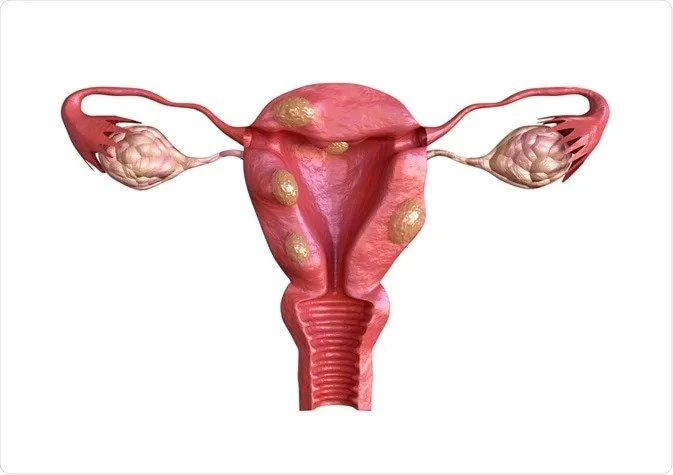
Uterine fibroids are common, non-cancerous growths that develop in or around the uterus. They can affect women during their reproductive years and may cause symptoms such as heavy menstrual bleeding, pelvic discomfort, abdominal pressure and fertility-related concerns. While some fibroids remain small and do not require immediate treatment, others may grow in size or interfere with everyday activities and reproductive health.
If you are looking for Uterine fibroid treatment in Thane, Dr. Arohi Tasgaonkar at Dr. Arohi’s Complete Women’s Care offers comprehensive gynaecological evaluation and personalised treatment options. With specialised training in gynaecological endoscopy, laparoscopic and robotic surgery, she focuses on helping women understand their condition and choose appropriate treatment according to their health needs and future pregnancy plans.
What Are Uterine Fibroids?
Uterine fibroids, medically known as leiomyomas, are muscular growths that develop within the uterine wall or on its outer surface. They can vary in size, ranging from small growths that are difficult to detect to larger fibroids that may change the shape of the uterus.
Fibroids are generally benign and are not cancerous. They may develop individually or in multiple numbers. Their growth and symptoms can vary from one woman to another.
Hormonal influences, particularly oestrogen and progesterone, are believed to play an important role in fibroid development. Genetic factors and family history may also contribute to their occurrence.
Types of Uterine Fibroids
Understanding the location of fibroids helps gynaecologists determine the most suitable treatment.
1. Intramural Fibroids: These develop within the muscular wall of the uterus. They are among the most common types and may cause heavy periods or pelvic pressure when they increase in size.
2. Subserosal Fibroids: These grow on the outer surface of the uterus. Larger growths may press against nearby organs, causing abdominal discomfort or frequent urination.
3. Submucosal Fibroids: These develop beneath the inner uterine lining and may extend into the uterine cavity. They can contribute to heavy menstrual bleeding and may affect fertility in some women.
4. Pedunculated Fibroids: These fibroids are attached to the uterus through a narrow stalk. They can develop on either the inner or outer surface of the uterus.
Common Symptoms of Uterine Fibroids
Some women with uterine fibroids experience no noticeable symptoms and discover them during routine gynaecological examinations. However, larger or strategically located fibroids may cause various health concerns.
Common symptoms include:
- Heavy menstrual bleeding or prolonged periods.
- Severe menstrual cramps.
- Pelvic pain, pressure or discomfort.
- Frequent urination due to pressure on the bladder.
- Constipation or difficulty passing stools.
- Lower back pain or leg discomfort.
- Abdominal swelling or a feeling of fullness.
- Difficulty conceiving in certain cases.
Excessive menstrual bleeding may also lead to iron-deficiency anaemia, resulting in tiredness, weakness and dizziness.
Women experiencing these symptoms should consult a gynaecologist for proper evaluation rather than assuming that the symptoms are a normal part of menstruation.
Uterine Fibroid Treatment in Thane: Diagnosis and Evaluation
Accurate diagnosis is essential for understanding the number, size and location of fibroids. During the consultation, the gynaecologist reviews menstrual history, symptoms, reproductive plans and relevant medical conditions.
Depending on the patient’s requirements, the following investigations may be recommended:
1. Pelvic Ultrasound: Uses sound waves to identify fibroids and evaluate their size, number and location. It may be performed abdominally or transvaginally.
2. MRI Scan: Provides detailed images of the uterus and surrounding structures. It may be recommended when additional information is needed for treatment planning.
3. Hysteroscopy: A thin instrument with a camera is inserted through the cervix to examine the uterine cavity. It is particularly useful for evaluating submucosal fibroids.
4. Blood Tests: A complete blood count may be recommended to check for anaemia caused by heavy menstrual bleeding.
The investigations are selected according to the patient’s symptoms and clinical requirements.
Treatment Options for Uterine Fibroids
Treatment depends on the size and location of fibroids, severity of symptoms, age, overall health and whether the woman wishes to have children in the future. Not every fibroid requires surgery. Some women may only need regular monitoring.
1. Medical Management
Medication may help manage symptoms such as heavy menstrual bleeding, menstrual pain and hormonal-related concerns. Depending on the diagnosis, the doctor may recommend:
- Hormonal medications to control menstrual bleeding.
- Non-steroidal anti-inflammatory medicines for pain relief.
- Iron supplements when heavy bleeding causes anaemia.
- Gonadotropin-releasing hormone (GnRH) medications in selected cases to temporarily reduce fibroid size.
These treatments may control symptoms, but they do not necessarily provide permanent removal of fibroids.
2. Myomectomy
Myomectomy is a surgical procedure that removes fibroids while preserving the uterus. It may be recommended for women experiencing significant symptoms or those who wish to retain their fertility.
Depending on fibroid size and location, myomectomy can be performed through different techniques:
- Hysteroscopic Myomectomy: Removes suitable fibroids inside the uterine cavity without abdominal incisions.
- Laparoscopic Myomectomy: Uses small abdominal incisions and specialised instruments to remove fibroids.
- Open Myomectomy: May be recommended for selected patients with large, multiple or complex fibroids.
3. Laparoscopic and Robotic Fibroid Surgery
Minimally invasive procedures can be suitable for selected patients. Laparoscopic and robotic-assisted myomectomy use specialised instruments and small abdominal incisions to remove fibroids.
Robotic-assisted surgery provides the surgeon with magnified three-dimensional visualisation and wristed instrument movements. Potential benefits in appropriately selected cases include smaller incisions, reduced postoperative discomfort and shorter hospital stays compared with open surgery.
However, the best surgical technique depends on the patient’s condition, fibroid characteristics and the surgeon’s assessment.
4. Hysterectomy
Hysterectomy involves surgical removal of the uterus. It is a definitive treatment for uterine fibroids but permanently removes the ability to carry a pregnancy.
It may be considered for women with severe symptoms who do not wish to have future pregnancies and for whom other treatment options are unsuitable.
5. Uterine Artery Embolisation
This procedure reduces the blood supply to fibroids, causing them to shrink over time. It is performed by an interventional radiologist and may be an option for selected patients. Its suitability should be discussed carefully, particularly when future pregnancy is desired.
Why Choose Dr. Arohi Tasgaonkar for Fibroid Treatment?
Choosing an experienced gynaecologist is important when managing uterine fibroids, especially when treatment involves fertility preservation or surgery.
Dr. Arohi Tasgaonkar is an Obstetrician and Gynaecologist practising at Dr. Arohi’s Complete Women’s Care in Thane. Her qualifications include:
- MS in Obstetrics and Gynaecology: Grant Medical College and Sir J.J. Group of Hospitals, Mumbai.
- DNB in Obstetrics and Gynaecology: National Board of Examinations.
- Fellowship in Gynaecological Endoscopy: Under Dr. Haresh Vaghasia.
She has been registered with the Maharashtra Medical Council since 2006 and has extensive clinical experience in women’s healthcare.
Her areas of expertise include fibroid treatment, menstrual disorders, endometriosis, ovarian cysts, laparoscopic surgery, hysteroscopic procedures and robotic gynaecological surgery.
Dr. Arohi Tasgaonkar believes in ethical, empathetic and patient-centred care. Her practice supports women through different stages of life, from adolescence and reproductive years to menopause.
Dr. Arohi’s Complete Women’s Care provides a welcoming, professional and family-friendly clinical environment. Patients receive individual attention, clear explanations and guidance regarding investigations and treatment options. The practice also offers access to modern diagnostic and minimally invasive surgical care through its associated hospital facilities.
Women seeking Uterine fibroid treatment in Thane can discuss both medical and surgical approaches with Dr. Arohi, including options that may help preserve the uterus when clinically appropriate.
Can Uterine Fibroids Affect Pregnancy?
Some women with uterine fibroids conceive and have healthy pregnancies without complications. However, the effect of fibroids depends on their size, number and location.
Fibroids that distort the uterine cavity may sometimes interfere with implantation or increase the risk of certain pregnancy complications. Depending on their location, they may also contribute to discomfort, abnormal fetal positioning or delivery-related concerns.
Women planning pregnancy should undergo an appropriate evaluation before deciding on fibroid treatment. Myomectomy may be considered in selected cases, particularly when fibroids affect the uterine cavity or reproductive outcomes.
A personalized consultation helps determine whether treatment is necessary before attempting conception.
Frequently Asked Questions (FAQs)
1. Can uterine fibroids disappear without surgery?
Some fibroids may shrink naturally, particularly after menopause when hormone levels decline. Small, symptom-free fibroids may only require regular monitoring. Medication can help manage symptoms, while other treatments may be considered depending on their size and location.
2. Is myomectomy better than hysterectomy for fibroid treatment?
The choice depends on individual requirements. Myomectomy removes fibroids while preserving the uterus and may be suitable for women who wish to retain fertility. Hysterectomy permanently removes the uterus and is generally considered when future pregnancy is not desired.
3. Can uterine fibroids affect fertility?
Yes, certain fibroids, particularly those that distort the uterine cavity, may affect fertility or pregnancy outcomes. However, many women with fibroids conceive naturally. A gynaecologist can assess whether treatment is necessary.
4. When should I consult a gynaecologist for uterine fibroids?
Consult a gynaecologist if you experience heavy menstrual bleeding, prolonged periods, pelvic pressure, frequent urination, persistent abdominal discomfort or difficulty conceiving. Sudden severe pelvic pain or very heavy bleeding requires prompt medical attention.
Book Your Consultation with Dr. Arohi Tasgaonkar
Uterine fibroids can affect menstrual health, daily comfort and reproductive planning. However, appropriate diagnosis and individualised treatment can help women manage the condition effectively.
If you are experiencing symptoms or have been diagnosed with fibroids, consult Dr. Arohi Tasgaonkar at Dr. Arohi’s Complete Women’s Care. As an experienced Gynecologist in Thane, she provides comprehensive gynaecological care and discusses medical, laparoscopic, hysteroscopic and robotic treatment options according to individual needs.
For expert guidance on Uterine fibroid treatment in Thane, schedule an appointment and take an informed step towards better reproductive health.
+91 98330 74977
arohi.tasgaonkar@gmail.com
Get Directions to the Clinic – Dr. Aorohi’s Complete Women’s Care