
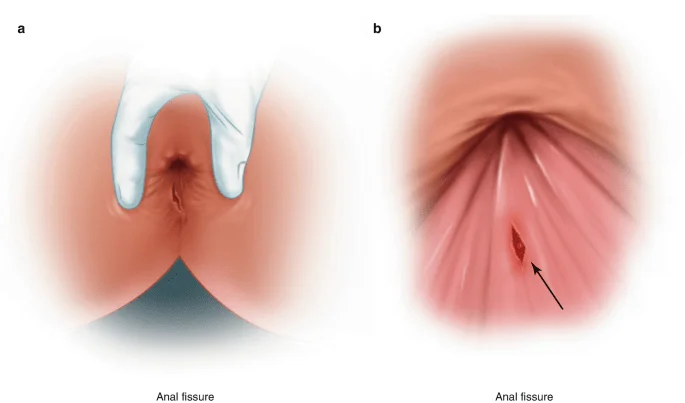
An anal fissure is a small tear or crack in the lining of the anal canal that can cause considerable discomfort, particularly during and after bowel movements. It commonly develops after passing hard or large stools and may also be associated with constipation, straining, chronic diarrhoea or other factors. For persistent or recurrent symptoms, consulting an Anal fissure specialist Mumbai can help with accurate diagnosis and appropriate treatment. Typical symptoms include sharp anal pain, bright red bleeding, itching, irritation and, in some cases, a small skin tag near the fissure.
While many acute fissures improve with conservative measures, persistent or recurrent fissures may require further medical evaluation. Consulting an Anal fissure specialist Mumbai patients can rely on can help identify the cause of symptoms and determine whether dietary changes, medication, topical treatment or surgery is appropriate.
Anal fissure specialist Mumbai: When Should You See One?
Anal fissures can occur at any age and are frequently associated with constipation and hard stools. Pain during bowel movements may sometimes continue for several hours afterwards, making patients anxious about passing stools and potentially contributing to further constipation.
You should consider consulting an Anal fissure specialist Mumbai if you experience:
- Persistent or severe pain during bowel movements
- Bright red blood on toilet paper or the surface of the stool
- Recurrent anal discomfort or irritation
- A visible crack around the anal opening
- A small lump or skin tag near the affected area
- Symptoms that continue despite dietary or lifestyle changes
- Repeated episodes of anal fissure
An examination can help distinguish an anal fissure from other causes of anal pain or rectal bleeding. This is particularly important when symptoms are persistent, recurrent or accompanied by other concerning changes.
What Causes Anal Fissures?
One of the most common causes is passing hard or large stools. Constipation and excessive straining can place pressure on the anal lining and contribute to a tear. Chronic diarrhoea can also irritate the area and increase the risk of fissure formation. Pregnancy is another recognised contributing factor.
Other factors can contribute depending on the individual. Therefore, treatment should address not only the fissure itself but also factors that may delay healing or encourage recurrence.
Symptoms That Should Not Be Ignored
The most characteristic symptom is pain during or after bowel movements. The pain can range from mild discomfort to severe pain and may persist for several hours. Bright red blood on the stool or toilet paper is another common symptom. Some patients may notice itching, irritation, a visible tear or a small skin tag near the fissure.
Rectal bleeding should not automatically be assumed to be caused by a fissure. Persistent or unexplained bleeding warrants appropriate medical assessment to determine its source.
How Is an Anal Fissure Diagnosed?
Diagnosis is often possible through an outpatient clinical examination. The doctor reviews the symptoms and examines the affected area to identify a fissure and assess whether it appears acute or chronic.
Additional investigations are not always necessary. However, tests such as colonoscopy may be recommended in selected patients, particularly when there are relevant risk factors, gastrointestinal symptoms or a need to investigate another possible cause of bleeding.
Non-Surgical Treatment for Anal Fissure
Many anal fissures can initially be treated without surgery. The treatment approach may include increasing dietary fibre, drinking sufficient fluids, using stool softeners or laxatives when prescribed, and applying appropriate topical medications. The reference treatment page states that conservative medical therapy can cure a substantial proportion of anal fissures.
The objective is to keep stools soft and reduce trauma during bowel movements, allowing the fissure to heal. Avoiding excessive straining and maintaining regular bowel habits can also support recovery.
Patients should follow their doctor’s recommendations rather than using over-the-counter products for prolonged periods without assessment, particularly if symptoms continue.
When Is Fissure Surgery Recommended?
If an anal fissure does not respond adequately to conventional treatment or becomes chronic, surgery may be considered. A persistent fissure can be associated with poor healing, recurrent symptoms and changes such as a sentinel pile or hypertrophied anal papilla.
One established surgical treatment is lateral internal sphincterotomy (LIS). During this procedure, a portion of the internal anal sphincter is divided to reduce muscle spasm and allow the fissure to heal. According to the reference treatment page, the procedure can be performed as day surgery in appropriate cases.
The decision to undergo surgery depends on factors such as symptom duration, response to medical management, recurrence, clinical findings and the patient’s overall health.
Why Consult Dr. Chintamani Godbole?
Dr. Chintamani Godbole is a specialist in colorectal and gastrointestinal surgery with a particular interest in colorectal surgery and peritoneal surface oncology. His qualifications include MBBS, MS in General Surgery, DNB in Surgical Gastroenterology and FRCS from Edinburgh.
He completed his undergraduate and general surgical training at Seth G. S. Medical College and KEM Hospital, Mumbai, followed by super-speciality training in gastrointestinal surgery at Jaslok Hospital and Research Centre. He subsequently spent five years in the UK receiving advanced training in colorectal surgery, including minimally invasive laparoscopic and robotic surgery.
His fellowships include Robotic Colorectal Surgery in Coventry and Colorectal and Peritoneal Oncology at the Basingstoke Peritoneal Malignancy Institute in the UK. He has also worked as a General and Colorectal Surgical Consultant at University Hospitals Coventry.
Dr. Chintamani Godbole’s expertise includes colorectal surgery, minimally invasive colorectal procedures, surgery for colorectal cancer, pelvic floor problems and complex fistula-in-ano, in addition to inflammatory bowel disease and other colorectal conditions. His profile also records experience with more than 200 minimally invasive colorectal surgeries.
For patients looking for an Anal fissure specialist Mumbai, his dedicated colorectal practice allows anal and rectal conditions to be assessed within the broader field of colorectal surgery.
Patient-Centred Care at Gadre Hospital
Dr. Chintamani Godbole practices at Gadre Hospital near Hindmata Cinema in Dadar East, Mumbai. His professional profile highlights personalised direct communication with patients and relatives and a dedicated focus on colorectal care.
Patients seeking Colorectal Surgery in Mumbai can consult him for the assessment and management of conditions affecting the colon, rectum and anus. As a Colorectal Surgeon in Mumbai, his practice includes both surgical and minimally invasive approaches to a range of colorectal conditions.
Preventing Anal Fissure Recurrence
After an anal fissure has healed, maintaining healthy bowel habits is important because fissures can recur. A fibre-rich diet, adequate fluid intake and prevention of constipation can help reduce excessive pressure during bowel movements.
Patients should also avoid repeatedly delaying bowel movements or straining excessively. If pain or bleeding returns, early evaluation can help determine whether another fissure has developed or whether another condition is responsible.
Frequently Asked Questions
1. How do I know if I have an anal fissure?
Typical symptoms include sharp pain during or after bowel movements, bright red blood on toilet paper or stool, itching, irritation and sometimes a visible crack or skin tag around the anus. A clinical examination can confirm the diagnosis.
2. Can an anal fissure heal without surgery?
Yes. Many fissures improve with conservative measures such as increased fibre, adequate fluids, stool-softening treatment and appropriate topical medications. Chronic or non-healing fissures may require additional treatment.
3. When might surgery be needed?
Surgery may be considered when a fissure persists despite conventional medical treatment or becomes chronic and continues to cause significant symptoms. Lateral internal sphincterotomy is one surgical option used for selected non-healing fissures.
4. Should rectal bleeding always be checked by a doctor?
Yes. Although bright red bleeding can occur with anal fissures, rectal bleeding can have several causes. Persistent, recurrent or unexplained bleeding should be medically evaluated rather than automatically attributed to a fissure.
Book a Consultation with Dr. Chintamani Godbole
If you are experiencing persistent anal pain, bleeding or discomfort during bowel movements, an early consultation can help identify the cause and guide appropriate treatment. Dr. Chintamani Godbole provides specialised colorectal care and personalised evaluation for anal fissures and other colorectal conditions.
📞+91 8108791470 | ☎️ +91 8451865944 (In case of emergency)
📧 drchintamanigodbole@gmail.com
📍Get Directions to the Clinic – Gadre Hospital, Mumbai