
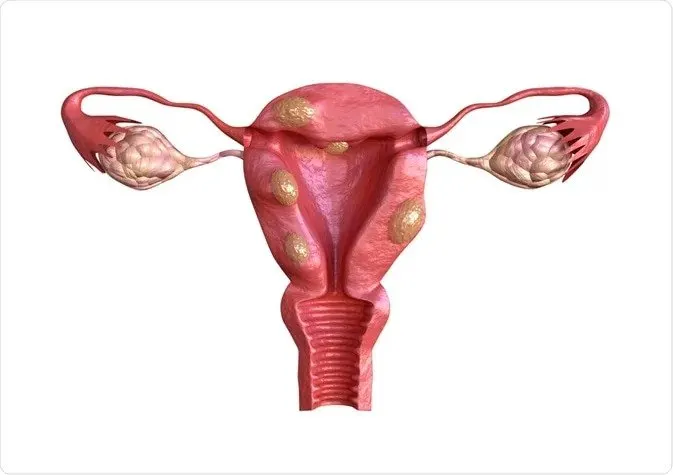
Uterine fibroids are common non-cancerous growths that develop in or around the uterus. While some women may have fibroids without experiencing any symptoms, others may experience heavy or prolonged menstrual bleeding, pelvic pain, pressure, frequent urination, bowel discomfort or fertility-related concerns. The symptoms can vary depending on the number, size and location of the fibroids, making Fibroid Removal in Mumbai an option to consider when symptoms significantly affect daily life or reproductive health.
When fibroids begin affecting daily activities, reproductive plans or overall wellbeing, a gynaecological evaluation can help determine whether observation, medication or surgery is appropriate. Fibroid Removal in Mumbai can involve different surgical approaches depending on the characteristics of the fibroid and the patient’s individual needs.
Fibroid Removal in Mumbai: When Is Surgery Considered?
Not every fibroid requires surgery. Small or asymptomatic fibroids may sometimes be monitored through regular examinations and imaging. However, treatment may be considered when fibroids cause heavy menstrual bleeding, persistent pelvic pain or pressure, recurrent discomfort, fertility difficulties or significant enlargement of the uterus.
Ultrasound and, when required, MRI can help determine the number, size and precise location of fibroids. This information allows the gynaecologist to understand whether a fibroid is located within the uterine cavity, within the uterine muscle or on the outer surface of the uterus and select an appropriate treatment strategy.
What Are the Different Surgical Options?
The appropriate surgical technique depends on factors such as fibroid size, location, number, symptoms, previous surgeries and whether the patient wishes to preserve fertility.
Myomectomy:
A myomectomy removes fibroids while preserving the uterus. It may be considered for women who wish to retain their uterus or potentially plan a future pregnancy. Depending on the location and characteristics of the fibroid, myomectomy may be performed through laparoscopic, robotic or hysteroscopic techniques.
Hysteroscopic myomectomy:
When a fibroid projects into the uterine cavity, a hysteroscopic approach may allow the surgeon to access and remove it through the vagina and cervix without abdominal incisions.
Robotic myomectomy:
Robotic surgery can be considered for selected complex or difficult fibroids. The reference treatment page highlights the use of 3D visualisation and precise robotic instruments to assist with removal while aiming to preserve healthy uterine tissue.
Hysterectomy:
In selected patients who do not wish to preserve fertility, hysterectomy may be considered. This involves removal of the uterus and eliminates the possibility of future uterine fibroids. The decision depends on the patient’s age, symptoms, reproductive plans, medical history and clinical assessment.
Which Fibroids Can Be More Difficult to Treat?
Some fibroids require more specialised surgical planning. Large fibroids, multiple fibroids, cervical fibroids and broad-ligament fibroids can present additional technical challenges because of their size, location or proximity to important pelvic structures. Submucosal fibroids can also cause significant bleeding because they project into the uterine cavity.
Robotic technology may provide enhanced visualisation and instrument control in appropriately selected complex cases. However, the choice between robotic, laparoscopic, hysteroscopic or open surgery should be made after a detailed evaluation rather than based on the surgical method alone.
Is Fibroid Removal Possible Without Removing the Uterus?
Yes. Myomectomy is specifically designed to remove fibroids while retaining the uterus. This can be an important consideration for women who wish to preserve their reproductive potential.
Robotic myomectomy may be used in selected cases where the location or complexity of the fibroids makes minimally invasive surgery challenging. The reference page notes that layered suturing of the uterine muscle can be performed after fibroid excision to repair the uterine wall.
However, preserving fertility depends on several factors, including the woman’s age, ovarian reserve, the number and location of fibroids, other fertility factors and the condition of the uterus. A personalized consultation is therefore important.
Recovery After Surgery
Recovery depends on the surgical approach, number and size of fibroids removed and the patient’s overall health. Minimally invasive procedures generally involve smaller abdominal incisions than traditional open surgery. The reference page notes that patients undergoing robotic procedures may experience less postoperative discomfort and shorter hospital stays, although recovery varies between individuals.
Patients may be advised to rest initially, gradually resume daily activities and attend scheduled follow-up appointments. The surgeon will provide specific instructions regarding exercise, lifting, sexual activity, work and future pregnancy planning.
Meet Dr. Maitreyee Parulekar
Dr. Maitreyee Parulekar is a gynaecological surgeon with specialised expertise in gynaecological oncology and minimally invasive surgery. Her qualifications include MBBS, MS in Obstetrics and Gynaecology from KEM Hospital, MRCOG (UK) and FMAS. She also completed a Fellowship in Gynaecological Oncosurgery and Robotic Surgery at Seoul National University Hospital, South Korea, and trained as a Visiting Scholar in Minimally Invasive Gynaecology at Mount Sinai Hospital and Women’s College Hospital in Toronto.
She received a University Gold Medal after completing her Master’s degree in Obstetrics and Gynaecology at Seth G.S. Medical College and K.E.M. Hospital, Mumbai. Her professional profile also highlights clinical and research work in minimally invasive surgery, robotic surgery and gynaecological oncology, along with publications in national and international peer-reviewed journals.
For women looking for a Top Gynae Oncologist In Mumbai, Dr. Maitreyee Parulekar offers expertise in advanced laparoscopic and robotic techniques for both benign and malignant gynaecological conditions. Her treatment portfolio includes fibroid surgery, fertility-preserving surgery, hysterectomy, hysteroscopic procedures and robotic procedures.
Women seeking a Gynecologist In Vile Parle, Mumbai can consult Dr. Maitreyee Parulekar for evaluation of fibroids and other gynaecological conditions. Her practice is associated with multiple hospitals across Mumbai, including Kirit Nursing Home, Gleneagles Hospital, Nalini Speciality Hospital, AllCure SuperSpeciality Hospital, Criticare Hospital and Surya Hospitals.
Why Personalised Treatment Planning Matters
Fibroid Removal in Mumbai should not be approached as a one-size-fits-all procedure. Two women with fibroids of similar size may require different treatments because their symptoms, fibroid locations, reproductive goals and medical histories can be different.
A detailed consultation can include a review of symptoms, menstrual history, fertility plans, previous surgeries and imaging reports. Based on these findings, the doctor can discuss whether monitoring, medical management, hysteroscopic treatment, laparoscopic surgery, robotic myomectomy or another surgical option is appropriate.
Risks and Important Considerations
Like other surgical procedures, fibroid surgery can involve risks such as bleeding, infection, injury to surrounding organs, anaesthesia-related complications and the possibility of conversion from minimally invasive surgery to open surgery in selected situations. The specific risks depend on the procedure and individual circumstances.
Fibroids can also recur after treatment because removing existing fibroids does not necessarily eliminate the underlying tendency to develop new ones. Regular follow-up may help monitor the uterus and identify recurrent or newly developing fibroids.
Frequently Asked Questions
1. When should I consider fibroid surgery?
Surgery may be considered when fibroids cause significant bleeding, pelvic pain or pressure, fertility problems, recurrent symptoms or substantial enlargement. The decision depends on symptoms, fibroid characteristics and individual treatment goals.
2. Can my uterus be preserved during fibroid surgery?
Yes. Myomectomy removes fibroids while preserving the uterus. It may be appropriate for selected women who wish to preserve fertility or retain their uterus.
3. Is robotic surgery suitable for every fibroid?
No. Robotic surgery is not appropriate for every patient or every fibroid. The size, number and location of fibroids, previous surgeries, overall health and reproductive goals must be considered before selecting the surgical approach.
4. Can fibroids return after surgery?
Yes. New fibroids can develop after removal of existing fibroids. Regular follow-up and appropriate imaging may be recommended depending on the patient’s individual situation.
Book a Consultation with Dr. Maitreyee Parulekar
If fibroids are causing heavy periods, pelvic discomfort, pressure or fertility concerns, an evaluation can help you understand the available treatment options. Dr. Maitreyee Parulekar provides advanced gynaecological and minimally invasive surgical care with treatment planning based on individual clinical needs.
📞 +91 72087 27500 | +91 97023 58222
📧 info@drmaitreyeegynec.in
Get Directions to the Clinic – Kirit Nursing Home, Vile Parle