
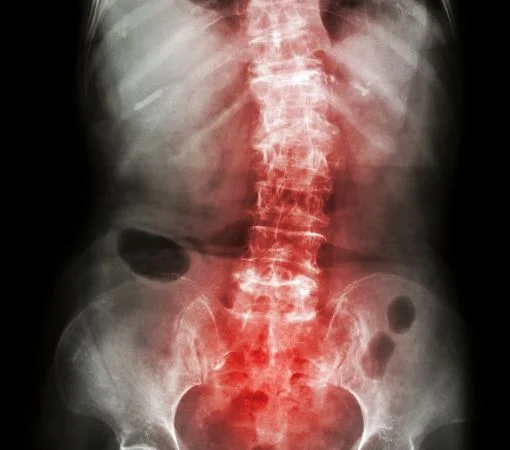
Spondylitis and spondylosis can cause persistent neck or back pain, stiffness, restricted movement, numbness, tingling and, in some cases, nerve-related symptoms. Getting an accurate diagnosis is important because treatment depends on the part of the spine affected, the severity of degeneration and whether nerves or the spinal cord are involved. If you are looking for doctors for spondylitis treatment in mumbai, Synapse Spine provides access to a multidisciplinary team of orthopaedic spine surgeons and neurospine surgeons who manage a broad range of spinal conditions.
What Is Spondylosis?
Spondylosis is a degenerative condition of the spine commonly associated with age-related wear and tear affecting the discs, joints and other spinal structures. Over time, changes may include disc degeneration, narrowing of spaces between vertebrae, thickening of ligaments and the development of bone spurs.
Although some people may have degenerative changes without significant symptoms, others can experience chronic pain, stiffness and reduced flexibility. If a nerve becomes compressed, symptoms may extend into the arms or legs and include numbness, tingling or weakness. In advanced cases involving the spinal cord, neurological symptoms may require prompt specialist assessment.
Common Causes and Symptoms of Spondylitis
Several factors may contribute to degenerative spinal changes. Age is a major factor, while genetics, repetitive physical stress, previous spinal injuries, smoking and excess body weight may also influence spinal health.
Common symptoms include:
- Persistent neck or back pain
- Morning or activity-related stiffness
- Reduced spinal flexibility
- Difficulty bending, twisting or turning the neck
- Pain radiating into an arm or leg
- Numbness or tingling
- Muscle weakness
- Headaches associated with cervical spine problems in some cases
Symptoms vary considerably between individuals. Severe neurological symptoms, including new loss of bladder or bowel control or significant weakness, require urgent medical assessment.
How Is Spondylosis Diagnosed?
A spine specialist generally begins with a detailed medical history and physical and neurological examination. Depending on the symptoms, imaging and other investigations may be recommended.
X-rays can help identify changes such as reduced disc spaces and bone spurs. MRI scans provide more detailed information about discs, nerves, ligaments and possible nerve or spinal cord compression. CT scans can provide detailed images of the bony structures of the spine. In selected patients, electromyography and nerve conduction studies may be used to assess nerve function. Blood tests may also be considered when another condition, such as inflammatory arthritis or infection, needs to be ruled out.
An accurate diagnosis helps the specialist determine whether conservative management, injections or surgery may be appropriate.
Treatment Options for Spondylitis
Treatment is individualized according to symptoms, examination findings and imaging results. Surgery is not automatically required for degenerative spine conditions.
Non-Surgical Treatment
Many patients can initially be managed without surgery. Depending on the condition, treatment may include:
- Appropriate pain-relieving medication
- Heat or cold therapy
- Activity modification
- Physiotherapy and rehabilitation
- Exercises to improve strength and mobility
- Bracing in selected situations
- Spinal or facet joint injections when clinically appropriate
Synapse Spine emphasizes personalized care and a treatment philosophy that prioritizes non-surgical options whenever appropriate, with surgery considered when it is medically necessary.
Surgical Treatment
When significant nerve or spinal cord compression, structural instability or other specific problems do not respond adequately to conservative treatment, surgery may be considered. Depending on the diagnosis, procedures can include laminectomy, discectomy, removal of osteophytes, spinal fusion or disc replacement.
Synapse Spine also provides advanced minimally invasive and endoscopic spine care. Its stated facilities and surgical technologies include endoscopic spine surgery, operating microscopes, neuromonitoring and an ultrasonic bone scalpel.
Why Choose Synapse Spine for Spondylitis Care?
Synapse Spine brings together doctors from orthopaedic spine and neurosurgical backgrounds. The current team includes Dr. Nandan Marathe, Dr. Anuj Bhide, Dr. Ajit Mishra, Dr. Aditya Raj, Dr. Abhishek Kulkarni, Dr. Medha Vyas, Dr. Kunal S. Singh, Dr. Sushant Nadkarni and Dr. Falgun Yadav Dhawale, with expertise spanning orthopaedic spine surgery, neurospine surgery, brain and spine surgery and pain management.
The doctors have trained at leading institutions in India and abroad. For example, Dr. Nandan Marathe holds MBBS and MS Orthopaedics qualifications from Seth GS Medical College and KEM Hospital and has completed advanced fellowships and training in complex spine surgery, deformity, spinal tumours and minimally invasive spine surgery in Canada, Italy and South Korea.
Dr. Ajit Mishra has MBBS, MS General Surgery and MCh Neurosurgery qualifications, including MCh training at NIMHANS, where he was a Gold Medalist. His listed areas of expertise include spinal tumours and endoscopic spinal surgery.
Other members of the team bring complementary experience in neurospine surgery, orthopaedic spine surgery, minimally invasive procedures, pain management and complex spinal conditions. This combination allows patients to access specialist expertise according to their individual diagnosis.
Clinic Environment and Patient-Centred Approach
Synapse Spine has developed a network of clinics across Mumbai and surrounding areas, including locations in Andheri, Bandra, Vile Parle, Malad, Borivali, Mira Road, Bhayandar, Vasai and Virar, along with a Vile Parle location at Nanavati Max.
The organization describes its approach as combining modern technology, clinical expertise and patient-centred care. Its doctors are involved not only in clinical practice but also in research, academic teaching and other professional activities. The stated philosophy is to combine orthopaedic spine and neurospine expertise while focusing on personalized treatment and minimally invasive solutions where appropriate.
For patients searching for a spine specialist Doctor in Mumbai, this multidisciplinary model can be useful when symptoms involve more than one aspect of spinal health.
When Should You See a Spine Specialist?
Persistent neck or back pain should not always be dismissed as ordinary muscular discomfort, particularly when symptoms continue, worsen or interfere with daily activities. A specialist consultation is especially important when pain is accompanied by numbness, tingling, weakness, radiating pain or difficulty with movement.
If conservative treatment has not provided adequate relief, or if imaging has identified significant degeneration, spinal stenosis, nerve compression or another structural problem, a specialist can explain the available treatment options.
Patients looking for a spine surgeon in mumbai can consult the Synapse Spine team for evaluation of degenerative spine conditions and other spinal disorders. The appropriate treatment should be decided after reviewing the individual’s symptoms, examination and diagnostic findings.
Get Directions to Synapse Spine
If persistent neck or back pain is affecting your mobility, work or everyday activities, consider arranging a specialist evaluation rather than continuing to manage symptoms without a diagnosis.
Contact Synapse Spine to identify the most convenient clinic location and schedule an appointment with an appropriate spine specialist.
Frequently Asked Questions
1. What is the difference between spondylitis and spondylosis?
The terms are sometimes used interchangeably, but they can refer to different conditions. Spondylosis generally describes degenerative, age-related changes in the spine, while spondylitis can refer to inflammation of spinal structures. A specialist evaluation can help determine the underlying cause of symptoms.
2. Does spondylosis always require surgery?
No. Many patients can initially be managed with non-surgical measures such as medication, physiotherapy, activity modification and selected injections. Surgery may be considered when there is a specific structural or neurological problem that requires surgical treatment.
3. Which tests are commonly used to diagnose spondylosis?
Depending on the symptoms, doctors may recommend X-rays, MRI or CT scans. Electromyography and nerve conduction studies may be useful in selected cases involving suspected nerve dysfunction. Blood tests can sometimes help rule out other conditions.
4. When should I consult a spine specialist for neck or back pain?
Consider specialist evaluation when pain is persistent, recurrent or associated with numbness, tingling, weakness, radiating pain or restricted movement. New or severe neurological symptoms should be assessed promptly.