
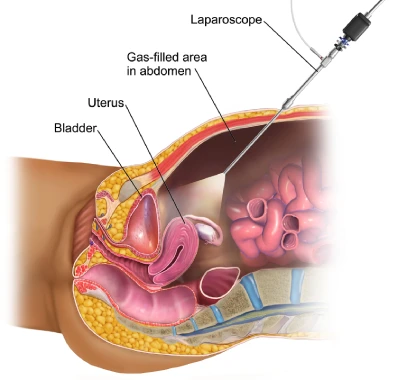
Women experiencing persistent heavy menstrual bleeding, uterine fibroids, adenomyosis, endometriosis, chronic pelvic pain, or certain gynecological cancers may sometimes require removal of the uterus. Depending on the medical condition, a minimally invasive approach may be considered. Laparoscopic hysterectomy in Mumbai is an advanced surgical option that uses small abdominal incisions and a camera-assisted technique to remove the uterus when hysterectomy is medically recommended.
Dr. Maitreyee Parulekar is a gynecological oncologist and minimally invasive gynecological surgeon with specialized training in laparoscopic and robotic surgery. She provides gynecological surgical care at multiple Mumbai locations, including Kirit Nursing Home. Her training includes gynecological oncology and robotic surgery in South Korea and minimally invasive gynecology training in Toronto.
What Is a Laparoscopic Hysterectomy?
A hysterectomy is a surgical procedure to remove the uterus. Depending on the patient’s condition, the procedure may involve removal of the uterus alone or may be combined with removal of the cervix, fallopian tubes or ovaries.
In a laparoscopic hysterectomy, the surgeon generally makes small incisions through which a camera and specialized surgical instruments are introduced. The camera provides magnified visualization of the pelvic organs, allowing the surgeon to perform the procedure through smaller access points than traditional open surgery.
The exact surgical approach depends on factors such as the size and location of fibroids, previous surgeries, endometriosis, pelvic anatomy, suspected or confirmed cancer, overall health and the patient’s individual treatment requirements.
When Is a Hysterectomy Recommended?
Hysterectomy may be considered when other treatments are not suitable, have not adequately controlled symptoms, or when definitive surgical management is medically appropriate.
Some conditions in which hysterectomy may be considered include:
- Large or symptomatic uterine fibroids
- Adenomyosis
- Severe or persistent abnormal uterine bleeding
- Endometriosis in selected patients
- Certain uterine or cervical conditions
- Precancerous or cancerous gynecological conditions
- Chronic pelvic conditions where other treatment options are unsuitable
A hysterectomy permanently ends the ability to become pregnant, so fertility considerations should be discussed carefully before surgery. In appropriate patients, alternatives or fertility-preserving procedures may be explored before proceeding with hysterectomy.
Benefits of the Laparoscopic Approach
One of the main features of laparoscopic surgery is the use of smaller incisions compared with conventional open abdominal surgery. Depending on the procedure and the individual patient’s circumstances, minimally invasive surgery may be associated with less postoperative discomfort, reduced wound-related problems and an earlier return to normal activities.
However, recovery varies from patient to patient. Surgical complexity, the underlying condition, the patient’s health and whether additional procedures are required can all affect recovery.
Dr. Parulekar’s practice focuses on minimally invasive gynecological surgery, including laparoscopic and robotic techniques for both benign and oncological conditions. Her official profile highlights her training in advanced minimally invasive surgery and her focus on precision-driven surgical care.
What Happens Before Laparoscopic Hysterectomy?
Before recommending surgery, the gynecologist evaluates the patient’s symptoms, medical history and reproductive goals. A pelvic examination and imaging may be required to understand the uterus and surrounding structures.
Depending on the reason for surgery, investigations may include:
- Pelvic ultrasound
- MRI when additional anatomical detail is required
- Blood tests
- Cervical screening where appropriate
- Endometrial evaluation or biopsy when indicated
- Additional investigations for suspected gynecological cancer
The doctor also discusses the planned procedure, potential risks, expected recovery and whether the ovaries and cervix need to be removed or preserved.
This preoperative discussion is particularly important for women who are considering surgery for a benign condition because treatment should be tailored to their individual circumstances.
Why Choose Dr. Maitreyee Parulekar?
Dr. Maitreyee Parulekar has a strong academic and specialist background in obstetrics and gynecology, gynecological oncology and minimally invasive surgery.
Her qualifications include MBBS, MS in Obstetrics and Gynecology from Seth G.S. Medical College and K.E.M. Hospital, MRCOG (UK), and FMAS. She completed a fellowship in gynecological oncosurgery and robotic surgery at Seoul National University Hospital in South Korea and undertook specialized training as a Visiting Scholar in Minimally Invasive Gynecology at Mount Sinai Hospital and Women’s College Hospital in Toronto.
She also completed fellowship training in minimally invasive gynecology and gynecological oncology at the Galaxy Care Laparoscopy Institute in Pune. Her academic achievements include a University Gold Medal for her master’s degree in Obstetrics and Gynecology and recognition through several professional awards.
Her expertise includes laparoscopic hysterectomy and fibroid surgery, robotic surgery for gynecological cancers, treatment of ovarian, uterine and cervical cancers, endometriosis and PCOD, as well as preventive women’s health screening and counselling.
Patients searching for a Top Gynae Oncologist In Mumbai can therefore consider her specialist background when seeking consultation for complex gynecological or minimally invasive surgical concerns.
Clinical Experience and Areas of Expertise
Dr. Parulekar combines gynecological oncology with advanced minimally invasive surgical training. Her clinical and research work has included publications in national and international peer-reviewed journals, with research interests involving minimally invasive techniques, surgical outcomes and gynecological cancer management.
Her professional training has exposed her to advanced laparoscopic and robotic procedures, including the management of complex gynecological conditions. Her practice includes both benign and malignant gynecological conditions, allowing treatment planning to be based on the specific diagnosis rather than a one-size-fits-all approach.
Her website describes her approach as patient-centred, with an emphasis on precision, minimally invasive techniques and modern surgical technology. The clinic’s treatment offerings include general gynecology, gynecological oncology, minimally invasive procedures, laparoscopy, hysteroscopy and robotic surgery.
Clinic Environment at Kirit Nursing Home
Kirit Nursing Home is one of the locations where Dr. Maitreyee Parulekar provides consultations and gynecological care. The practice is designed around women’s health services, including minimally invasive gynecological procedures and specialist surgical consultations. Her official website lists Kirit Nursing Home among her practicing locations along with other hospitals and specialty centres across Mumbai.
Women looking for a Robotic Gynecologist In Vile Parle, Mumbai can consult Dr. Parulekar regarding appropriate minimally invasive treatment options. Whether laparoscopic, robotic or another surgical approach is suitable depends on the patient’s diagnosis and clinical assessment.
Recovery After Laparoscopic Hysterectomy
Recovery following hysterectomy varies according to the surgical technique, the reason for surgery and whether additional procedures were performed. Patients are generally advised to follow postoperative instructions regarding wound care, physical activity, medications and follow-up appointments.
During recovery, patients should report concerning symptoms such as persistent fever, increasing abdominal pain, heavy bleeding, wound problems, breathing difficulty or other symptoms specifically identified by their surgical team.
Regular follow-up allows the doctor to monitor healing and address questions about returning to work, exercise and other daily activities.
Book a Consultation with Dr. Maitreyee Parulekar
Choosing whether to undergo a hysterectomy is an important medical decision. A consultation can help determine the cause of symptoms, review available treatment options and understand whether minimally invasive surgery is appropriate.
For women considering Laparoscopic hysterectomy in Mumbai, Dr. Maitreyee Parulekar offers specialist gynecological and minimally invasive surgical consultation at Kirit Nursing Home.
📞 Call: +91 72087 27500
📧 Email: info@drmaitreyeegynec.in
📍 Get directions to Kirit Nursing Home
Book Your Consultation Today
Contact Dr. Maitreyee Parulekar’s team to discuss your symptoms, diagnosis and treatment options. During your consultation, you can ask whether laparoscopic surgery is suitable for your condition and understand the expected surgical and recovery process.
Frequently Asked Questions
1. Is laparoscopic hysterectomy suitable for every woman?
No. The suitability of laparoscopic surgery depends on factors such as the underlying condition, uterine size, previous surgeries, pelvic anatomy, medical history and whether cancer is suspected or confirmed. The surgeon determines the safest appropriate approach after evaluation.
2. Does laparoscopic hysterectomy remove the ovaries?
Not necessarily. Removal of the ovaries depends on the patient’s age, medical condition, reason for surgery and surgical plan. In some cases, the ovaries may be preserved. Your gynecologist will explain the benefits and considerations before surgery.
3. How long does recovery take after laparoscopic hysterectomy?
Recovery varies between patients and depends on the complexity of surgery and overall health. Your surgeon will provide individualized instructions about returning to work, exercise and other activities.
4. Can hysterectomy be performed for fibroids?
Yes. Hysterectomy can be a treatment option for women with symptomatic fibroids when definitive removal of the uterus is appropriate. Depending on the size and location of the fibroids and other factors, a laparoscopic approach may be considered.