
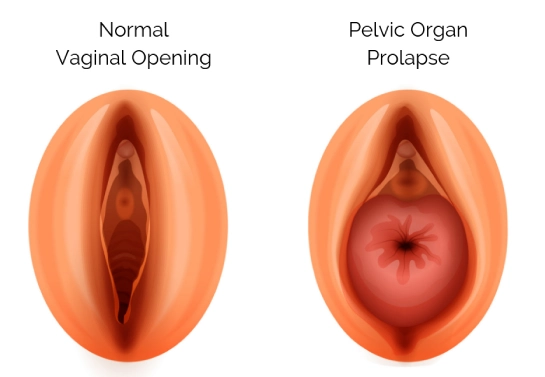
Pelvic organ prolapse is a common gynaecological condition that can affect a woman’s comfort, confidence, and daily activities. It occurs when the muscles and tissues supporting the pelvic organs become weak, allowing the bladder, uterus, rectum, or vaginal walls to descend from their normal position. Although the condition may feel uncomfortable or difficult to discuss, effective treatment options are available.
Women experiencing vaginal bulging, pelvic heaviness, urinary difficulties, or pressure in the lower abdomen should consider consulting a qualified gynaecologist. Depending on the severity of the condition, treatment may include pelvic floor exercises, a vaginal pessary, or surgery.
For women considering pelvic organ prolapse surgery in mumbai, Dr. Maitreyee Parulekar at Kirit Nursing Home offers specialist gynaecological assessment and expertise in minimally invasive and robotic surgical techniques. Understanding the condition and available treatment options is an important first step towards making an informed decision.
What Is Pelvic Organ Prolapse?
Pelvic organ prolapse develops when the muscles, ligaments, and connective tissues that support the pelvic organs become weakened or stretched. These structures normally help keep the bladder, uterus, rectum, and vagina in their correct positions.
When pelvic support weakens, one or more organs may descend into the vaginal canal. The type of prolapse depends on the affected structure.
Common types include:
- Uterine prolapse: The uterus descends into the vaginal canal.
- Cystocele: The bladder bulges against the front wall of the vagina.
- Rectocele: The rectum pushes against the back wall of the vagina.
- Vaginal vault prolapse: The upper part of the vagina descends, sometimes following a hysterectomy.
The severity can range from mild prolapse with few symptoms to more advanced cases that interfere with everyday activities. A gynaecological examination helps determine the type and extent of the condition.
Common Symptoms of Pelvic Organ Prolapse
Symptoms vary from person to person. Some women notice only mild pressure, while others experience discomfort that affects work, exercise, or social activities.
Common symptoms include:
- A feeling of heaviness or pressure in the pelvis.
- A visible or noticeable bulge in or around the vagina.
- Discomfort that becomes more pronounced after prolonged standing.
- Difficulty emptying the bladder completely.
- Urinary leakage or an increased need to urinate.
- Difficulty passing stools or a feeling of incomplete bowel emptying.
- Discomfort during sexual activity.
- Lower abdominal or pelvic discomfort.
Symptoms may become more noticeable towards the end of the day or after physical exertion. However, these signs do not automatically indicate prolapse, as other conditions can cause similar problems. A medical assessment is necessary to establish the diagnosis and guide treatment.
What Causes Pelvic Organ Prolapse?
Pelvic organ prolapse usually develops because the structures supporting the pelvic organs have weakened over time. Several factors may contribute to this condition.
Pregnancy and childbirth: Pregnancy and vaginal delivery can place considerable pressure on the pelvic floor muscles and supporting tissues.
Ageing and menopause: Changes in tissue strength and hormonal levels may contribute to reduced pelvic support.
Chronic constipation: Repeated straining during bowel movements can increase pressure on the pelvic floor.
Chronic coughing: Persistent coughing may place additional strain on pelvic support structures.
Heavy lifting: Repeated heavy lifting, particularly when combined with poor lifting technique, may aggravate symptoms.
Previous pelvic surgery: Certain procedures, including hysterectomy, may affect pelvic support in some women.
Not every woman with these risk factors develops prolapse. A specialist evaluates the patient’s symptoms, medical history, and examination findings to understand the condition.
Non-Surgical Treatments for Pelvic Organ Prolapse
Surgery is not necessary for every patient. Treatment depends on symptom severity, the type of prolapse, general health, and personal preferences.
Pelvic Floor Exercises
Pelvic floor muscle training, including Kegel exercises, can help strengthen the muscles supporting the pelvic organs. These exercises may improve symptoms in women with mild prolapse, particularly when performed correctly and consistently.
A trained healthcare professional can help patients identify the correct muscles and develop an appropriate exercise routine.
Vaginal Pessary
A pessary is a removable medical device placed inside the vagina to support the prolapsed organs. It can be a useful option for women who prefer to avoid surgery or are not suitable candidates for an operation.
The device requires proper fitting and follow-up appointments to monitor comfort and vaginal health.
Lifestyle Changes
Managing constipation, maintaining a healthy weight, treating a persistent cough, and modifying activities that worsen symptoms may help reduce pressure on the pelvic floor.
If symptoms remain troublesome despite conservative treatment, a gynaecologist may discuss surgical options.
When Is Pelvic Organ Prolapse Surgery Recommended?
Surgery may be considered when prolapse causes significant discomfort, affects bladder or bowel function, interferes with daily activities, or does not improve sufficiently with non-surgical treatment.
The procedure depends on the type and severity of prolapse and the patient’s individual circumstances.
Possible surgical approaches include:
- Vaginal repair: The surgeon repairs weakened vaginal support tissues.
- Hysterectomy with prolapse repair: Removal of the uterus may be considered in selected cases when appropriate for the patient’s condition and preferences.
- Sacrocolpopexy: A procedure used to support the upper vagina, often following hysterectomy.
- Minimally invasive or robotic-assisted surgery: Selected prolapse repairs may be performed using laparoscopic or robotic techniques.
The benefits and risks of each approach should be discussed before treatment. Surgery can improve symptoms, but recurrence and complications remain possible. The most appropriate procedure depends on clinical findings and the patient’s goals.
Meet Dr. Maitreyee Parulekar
Dr. Maitreyee Parulekar is a gynaecological surgeon with specialised training in minimally invasive gynaecological surgery, robotic surgery, and gynaecological oncosurgery.
Her qualifications include:
- MBBS from Maharashtra University of Health Sciences, Nashik.
- MS in Obstetrics and Gynaecology from Seth G.S. Medical College and KEM Hospital, Mumbai, where she received a University Gold Medal.
- MRCOG from the Royal College of Obstetricians and Gynaecologists, United Kingdom.
- Fellowship in Minimal Access Surgery.
- Fellowship training in Gynaecological Oncosurgery and Robotic Surgery at Seoul National University Hospital, South Korea.
- Visiting Scholar training in Minimally Invasive Gynaecology at Mount Sinai and Women’s College Hospital, Toronto, Canada.
Her clinical and academic experience includes advanced laparoscopic procedures and the management of complex gynaecological conditions. She has also contributed to research and publications in peer-reviewed medical journals.
As a Robotic Gynecologist In Vile Parle, Mumbai, Dr. Parulekar has specialised training in advanced surgical techniques. The suitability of robotic surgery for pelvic organ prolapse must nevertheless be assessed individually; it is not necessary or appropriate for every patient.
Patients consulting her at Kirit Nursing Home can discuss their symptoms, examination findings, and available treatment options in a clinical consultation setting focused on individual assessment and care planning. Women can also seek clarification about recovery expectations, possible risks, and follow-up requirements before making treatment decisions.
Her specialist background as a Top Gynae Oncologist In Mumbai reflects her training in gynaecological surgery and oncology, alongside her broader expertise in minimally invasive surgical techniques.
Recovery After Pelvic Organ Prolapse Surgery
Recovery depends on the procedure performed, the patient’s health, and whether any complications occur. Some minimally invasive procedures may allow a shorter hospital stay than open surgery, but recovery timelines differ.
Patients should follow their surgeon’s instructions regarding wound care, medication, walking, exercise, and follow-up appointments. Heavy lifting, strenuous exercise, and sexual activity may need to be avoided for a specified period.
Contact your healthcare provider if you experience fever, worsening pain, heavy bleeding, difficulty passing urine, or other concerning symptoms after surgery.
Regular follow-up is important to monitor healing and identify any signs of recurrent prolapse. Patients should also ask their surgeon about pelvic floor rehabilitation and long-term measures that may support pelvic health.
Book a Consultation with Dr. Maitreyee Parulekar
Pelvic organ prolapse can affect everyday comfort, but you do not have to manage persistent symptoms without medical guidance. An appropriate assessment can help you understand the severity of the condition and whether pelvic floor therapy, a pessary, or surgery may be suitable.
If you are exploring pelvic organ prolapse surgery in mumbai, contact Dr. Maitreyee Parulekar at Kirit Nursing Home to arrange a consultation and discuss personalised treatment options.
Call: +91 72087 27500
Email: info@drmaitreyeegynec.in
Get directions to Kirit Nursing Home
Take the next step towards understanding your symptoms and exploring the treatment options that best fit your needs.
Frequently Asked Questions
1. Can pelvic organ prolapse improve without surgery?
Yes. Mild or moderately symptomatic prolapse may be managed with pelvic floor muscle training, a vaginal pessary, and appropriate lifestyle changes. Surgery may be considered when symptoms are significant or conservative treatments do not provide sufficient relief.
2. Is robotic surgery always the best option for pelvic organ prolapse?
No. Robotic-assisted surgery may be suitable for selected patients, but it is not necessary for every case. The decision depends on the type and severity of prolapse, medical history, available surgical options, and the surgeon’s assessment.
3. How long does recovery from prolapse surgery take?
Recovery varies according to the procedure and individual health. Some patients return to light activities relatively early, while complete recovery may take several weeks. Follow your surgeon’s instructions about exercise, lifting, sexual activity, and follow-up care.
4. Can pelvic organ prolapse return after surgery?
Yes. Prolapse can recur after surgery, although the likelihood varies depending on the procedure, tissue strength, individual risk factors, and other clinical considerations. Follow-up care and advice on pelvic floor health can help patients manage their recovery.