
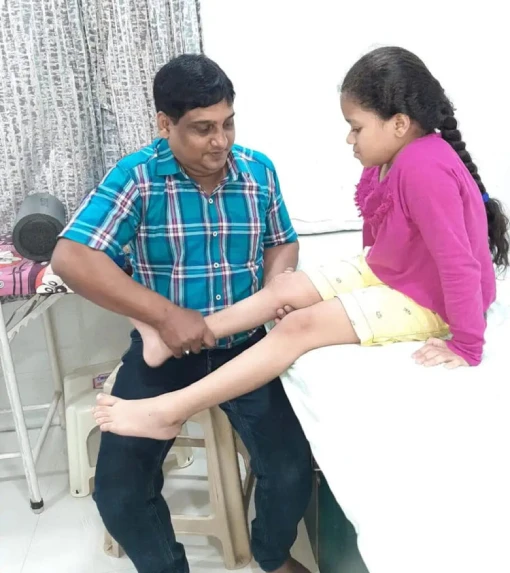
Muscle pain, joint stiffness, sports injuries, and movement difficulties can significantly affect daily activities and overall quality of life. Whether you are experiencing chronic back pain, recovering from surgery, or managing a neurological condition, professional physiotherapy can help restore mobility and improve physical function. Consulting an experienced Physiotherapist in Borivali East can help individuals receive personalised rehabilitation guidance and appropriate treatment for various musculoskeletal and neurological conditions.
At Sanjeevani Physiotherapy Clinic, Dr. K. K. Mishra provides physiotherapy services focusing on pain management, injury rehabilitation, muscle strengthening, and functional recovery. With more than 12 years of clinical experience, he follows a patient-centred approach to rehabilitation.
What Is Physiotherapy?
Physiotherapy is a healthcare discipline that focuses on improving movement, reducing pain, restoring physical function, and preventing disability through evidence-based rehabilitation techniques.
Physiotherapists assess muscles, joints, nerves, posture, strength, and movement patterns to identify functional limitations and develop appropriate treatment plans.
Physiotherapy may involve therapeutic exercises, manual therapy, posture correction, balance training, and selected physical therapy modalities.
The primary objective is to help individuals regain independence, improve mobility, and return to everyday activities safely.
Physiotherapist in Borivali East: Conditions Treated
Physiotherapy can help individuals experiencing different types of pain, injuries, and movement-related difficulties.
1. Back Pain and Neck Pain
Back and neck pain are common problems associated with poor posture, prolonged sitting, muscle strain, and spinal conditions.
Physiotherapy may include stretching, strengthening exercises, posture correction, and manual therapy to improve mobility and reduce discomfort.
2. Knee Pain and Arthritis
Knee pain caused by osteoarthritis, ligament injuries, or muscle weakness can affect walking and daily movement.
Physiotherapy focuses on improving joint flexibility, strengthening supporting muscles, and enhancing functional mobility.
3. Sports Injuries
Sports injuries such as ligament sprains, muscle strains, and tendon problems may require structured rehabilitation.
Treatment helps restore strength, flexibility, balance, and movement control before returning to sporting activities.
4. Frozen Shoulder
Frozen shoulder causes pain and restricted shoulder movement, making routine activities difficult.
Physiotherapy can help improve shoulder mobility through carefully prescribed exercises and progressive rehabilitation.
5. Sciatica and Cervical Spondylosis
Sciatica and cervical spondylosis may cause pain, stiffness, and nerve-related symptoms.
Physiotherapy management may include exercises, movement education, and appropriate techniques to improve function and manage symptoms.
6. Stroke and Paralysis Rehabilitation
Neurological rehabilitation helps patients experiencing weakness, balance problems, and movement limitations following stroke or other neurological conditions.
Treatment focuses on improving coordination, muscle control, walking ability, and functional independence.
Physiotherapy Treatments Available at Sanjeevani Physiotherapy Clinic
Patients searching for a Physiotherapist in Borivali East can explore various rehabilitation approaches available through Dr. K. K. Mishra at Sanjeevani Physiotherapy Clinic.
Orthopaedic Physiotherapy
Orthopaedic physiotherapy focuses on conditions affecting muscles, bones, ligaments, joints, and surrounding tissues.
Treatment may help patients recovering from fractures, joint injuries, arthritis, and musculoskeletal disorders.
Neurological Physiotherapy
Neurological physiotherapy supports individuals experiencing movement difficulties associated with conditions such as stroke, Parkinson’s disease, peripheral neuropathy, and neurological injuries.
Rehabilitation focuses on balance, coordination, muscle activation, and functional movement.
Manual Therapy
Manual therapy involves hands-on techniques that may help improve joint movement and reduce certain types of musculoskeletal discomfort.
The choice of technique depends on the patient’s condition and clinical assessment.
Exercise Therapy
Therapeutic exercises are designed to improve muscle strength, flexibility, endurance, and movement control.
Exercise programmes are adjusted according to individual rehabilitation goals and physical capabilities.
Postoperative Rehabilitation
Patients recovering from orthopaedic surgery may require physiotherapy to restore movement and strength.
Rehabilitation programmes can support recovery following knee replacement, hip replacement, fracture surgery, and other procedures.
Electrotherapy
Selected patients may receive treatments involving TENS, interferential therapy, or other physiotherapy equipment when clinically appropriate.
These modalities are generally used alongside active rehabilitation rather than replacing exercise-based treatment.
Benefits of Physiotherapy Treatment
Physiotherapy offers several potential benefits for individuals experiencing pain, injuries, or movement restrictions.
- Pain management: Helps reduce certain types of musculoskeletal pain through appropriate rehabilitation techniques.
- Improved mobility: Supports better joint movement, flexibility, and functional performance.
- Muscle strengthening: Improves muscular support and movement control.
- Injury recovery: Helps patients regain physical function following injuries.
- Posture improvement: Encourages healthier movement habits and body mechanics.
- Balance and coordination: Supports individuals experiencing neurological or age-related mobility problems.
- Long-term rehabilitation: Helps patients develop strategies for managing recurring symptoms and maintaining physical activity.
Treatment outcomes depend on the underlying condition, severity, consistency with rehabilitation, and individual health factors.
About Dr. K. K. Mishra – Qualifications and Clinical Experience
Dr. K. K. Mishra is an experienced physiotherapist associated with Sanjeevani Physiotherapy Clinic in Borivali, Mumbai.
Educational Qualifications
Dr. Mishra holds the following qualifications:
- BPTh: Bachelor of Physiotherapy.
- MPT: Master of Physiotherapy, with postgraduate education in orthopaedics.
- MIAP: Membership of the Indian Association of Physiotherapists.
He completed his physiotherapy education at Barkatullah University, Bhopal, and holds IAP registration number L-34770.
Clinical Experience
Dr. K. K. Mishra has more than 12 years of clinical treatment experience in pain management, orthopaedic physiotherapy, and neurological rehabilitation.
He has treated thousands of patients at Sanjeevani Physiotherapy Clinic since 2014.
His professional experience includes associations with:
- Manek Ortho Hospital, Chembur.
- Shiv Ortho Hospital, Chembur.
- Dhanwantri Hospital, Kandivali West.
His clinical interests include back and neck pain, sciatica, cervical spondylosis, stroke rehabilitation, Bell’s palsy, and orthopaedic conditions.
As a Physiotherapist in Borivali West, Dr. K. K. Mishra focuses on individual assessment, exercise-based rehabilitation, and patient education to support recovery.
Clinic Environment at Sanjeevani Physiotherapy Clinic
Sanjeevani Physiotherapy Clinic provides a rehabilitation environment designed to support patients experiencing musculoskeletal and neurological conditions.
The clinic offers facilities for therapeutic exercises, manual therapy, and selected equipment-based treatments.
Available physiotherapy equipment includes:
- Shortwave diathermy equipment.
- TENS and interferential therapy devices.
- Therapeutic ultrasound equipment.
- Muscle stimulation devices.
- Traction facilities.
- Exercise and strengthening equipment.
The clinic emphasises personalised rehabilitation, patient counselling, and active participation in recovery.
Individuals looking for Physiotherapy in Borivali West can consult Dr. K. K. Mishra to discuss suitable treatment approaches.
What Happens During a Physiotherapy Consultation?
A consultation with a Physiotherapist in Borivali East typically involves several important steps.
Step 1: Medical History Assessment
The physiotherapist reviews symptoms, previous injuries, medical conditions, and physical limitations.
Step 2: Physical Examination
Movement, joint flexibility, muscle strength, posture, balance, and functional abilities may be assessed.
Step 3: Treatment Planning
A personalised rehabilitation programme is developed according to the patient’s diagnosis, symptoms, and recovery goals.
Step 4: Physiotherapy Sessions
Treatment may include therapeutic exercises, manual techniques, mobility training, and selected supportive modalities.
Step 5: Progress Monitoring
The physiotherapist reviews improvement and modifies exercises or rehabilitation techniques when required.
Patients may also receive home exercise recommendations to support progress between appointments.
When Should You Consult a Physiotherapist?
Individuals experiencing persistent pain, reduced mobility, muscle weakness, or difficulty performing routine activities may benefit from physiotherapy assessment.
Consider consulting a physiotherapist if you experience:
- Recurring neck or lower back pain.
- Joint stiffness or restricted movement.
- Pain following a sports injury.
- Difficulty walking or maintaining balance.
- Weakness following surgery or prolonged illness.
- Movement limitations after a stroke.
- Persistent muscle discomfort affecting daily activities.
Sudden weakness, loss of bladder or bowel control, severe trauma, or rapidly worsening neurological symptoms require urgent medical evaluation rather than a routine physiotherapy appointment.
Frequently Asked Questions (FAQs)
1. What conditions can a physiotherapist treat?
A physiotherapist can help manage back pain, neck pain, joint stiffness, sports injuries, arthritis-related mobility problems, postoperative recovery, and certain neurological movement difficulties.
2. How many physiotherapy sessions are required?
The number of sessions depends on the patient’s condition, severity of symptoms, treatment goals, and response to rehabilitation. Some conditions improve within a few sessions, while others require longer treatment.
3. Is physiotherapy painful?
Physiotherapy is generally designed to improve movement and reduce discomfort. Some exercises may cause temporary mild soreness, but treatment should be adjusted according to patient tolerance and clinical needs.
4. Can physiotherapy help with chronic back pain?
Yes. Physiotherapy can help manage many cases of chronic back pain through strengthening exercises, mobility training, posture education, and individualised rehabilitation programmes.
Book Your Physiotherapy Consultation with Dr. K. K. Mishra
Experiencing back pain, joint stiffness, sports injuries, or mobility problems? Contact Sanjeevani Physiotherapy Clinic to schedule a consultation with Dr. K. K. Mishra.
Contact Details:
9594698293 | 7045697447
info@sanjeevaniphysiotherapy.in
Get Directions to the Clinic – Sanjeevani Physiotherapy Clinic
Take the first step towards improved mobility and pain management. Book your physiotherapy appointment with Dr. K. K. Mishra today!