
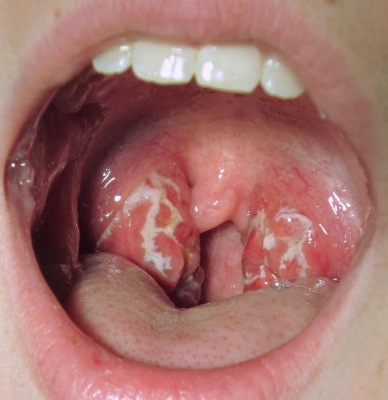
Recurring sore throats, swollen tonsils, painful swallowing, bad breath and repeated throat infections can affect daily activities, sleep and overall quality of life. While many episodes of tonsillitis can be managed with medicines and supportive care, recurrent or severe tonsil infections may sometimes require surgical treatment. Tonsillectomy in Mumbai is a procedure in which the tonsils are surgically removed when an ENT specialist determines that surgery is appropriate.
Dr. Shama Kovale, Senior Consultant at Kokilaben Dhirubhai Ambani Hospital, provides specialised ENT care for adults and children with throat, airway, voice and swallowing conditions. With more than 23 years of experience, she has expertise in tonsil and adenoid surgery as well as minimally invasive ENT procedures.
What Is Tonsillectomy?
Tonsillectomy is a surgical procedure to remove the tonsils, two masses of lymphatic tissue located at the back of the throat. Tonsils form part of the body’s immune system, but recurrent infection or significant enlargement can sometimes cause ongoing health problems.
Tonsillectomy may be considered when a patient experiences frequent episodes of tonsillitis, persistent tonsil-related symptoms or breathing and swallowing difficulties associated with enlarged tonsils. The decision is based on the patient’s symptoms, medical history and ENT examination.
Not every person with tonsillitis requires surgery. Acute infections may often be managed with appropriate medical treatment, including pain relief, hydration and, when a bacterial infection is diagnosed, antibiotics.
Symptoms That May Indicate a Tonsil Problem
Tonsillitis can produce symptoms ranging from mild throat discomfort to significant difficulty swallowing. Common symptoms include:
- Recurrent sore throat
- Swollen or enlarged tonsils
- Pain while swallowing
- White patches or pus on the tonsils
- Fever
- Swollen glands in the neck
- Persistent bad breath
- Tiredness or general discomfort
- Disturbed sleep
- Snoring or mouth breathing in some patients
In children, enlarged tonsils and associated adenoid problems may contribute to poor sleep, mouth breathing, irritability and difficulty concentrating. Persistent symptoms should be evaluated by an ENT specialist rather than being repeatedly attributed to routine seasonal infections.
When Is Tonsillectomy Recommended?
The need for surgery depends on the frequency and severity of infections and whether enlarged tonsils are creating other problems.
An ENT specialist may consider tonsillectomy when tonsillitis repeatedly returns despite appropriate medical management. The supplied clinical reference lists frequent infections, including five or more episodes per year, as one situation in which surgery may be considered. Surgery may also be discussed when enlarged tonsils affect breathing or swallowing.
Other circumstances that may require specialist assessment include persistent tonsil enlargement, complications of tonsillitis or significant sleep-related breathing symptoms.
The decision should always be individualised. An ENT doctor will assess the patient’s history and examination findings before recommending surgery.
Tonsillectomy in Mumbai: How Is the Procedure Performed?
Tonsillectomy in Mumbai is performed under anaesthesia, allowing the surgeon to remove the tonsillar tissue while the patient is asleep. The surgical approach can vary according to the patient’s age, condition and clinical requirements.
The reference material highlights minimally invasive techniques such as coblation-assisted tonsillectomy. Coblation uses controlled energy to treat tissue and is designed to minimise thermal damage to surrounding structures. The technique may be used in selected patients, with the aim of reducing postoperative discomfort and bleeding while supporting recovery.
Before surgery, the ENT specialist explains the procedure, expected recovery, possible risks and postoperative instructions. Appropriate preoperative evaluation is important, particularly for children and patients with other medical conditions.
What Is Recovery Like After Tonsil Surgery?
Recovery after tonsillectomy varies from patient to patient. The reference material states that children may typically recover within around five to seven days, while adults may require approximately 10 to 14 days for complete healing.
During recovery, patients may experience throat pain, particularly while swallowing. Adequate hydration and a soft diet can make the recovery period more manageable. Rest is also important.
The doctor may provide specific instructions regarding food, medicines, physical activity and warning signs. Patients should follow these instructions carefully and contact their medical team if they experience concerning symptoms such as significant bleeding, breathing difficulty or inability to maintain adequate hydration.
Benefits of Tonsil Removal
For appropriately selected patients, tonsillectomy can address recurrent tonsil infections and problems caused by significantly enlarged tonsils. Potential benefits may include:
- Reduction in recurrent tonsillitis episodes
- Relief from chronic tonsil-related throat symptoms
- Improved swallowing when enlarged tonsils are obstructive
- Improvement in sleep-related symptoms caused by enlarged tonsils
- Reduced disruption to school, work and daily activities associated with repeated infections
However, surgery is not automatically required for every patient with tonsillitis. A detailed ENT assessment helps determine whether the potential benefits of surgery outweigh its risks.
Why Choose Dr. Shama Kovale for Tonsil Care?
Dr. Shama Kovale is a Senior Consultant at Kokilaben Dhirubhai Ambani Hospital, Andheri West, with over 23 years of experience in ENT and related specialties. Her clinical expertise includes ear, nose and throat disorders, voice and swallowing problems, airway conditions, pediatric ENT and advanced ENT surgery.
Her qualifications include MBBS and MS in ENT, and her professional training includes certification in endoscopic sinus surgery and microsurgery of the ear. Her profile also notes advanced fellowships and training at institutions including UC Davis in the United States and Hinduja Hospital in India.
Dr. Shama Kovale heads the Voice and Swallowing Centre at Kokilaben Dhirubhai Ambani Hospital. The centre provides specialised diagnostic and treatment services, including fibreoptic swallowing evaluation, videofluoroscopic swallowing studies and selected office-based procedures.
Her practice includes tonsillitis treatment for both adults and children, along with endoscopic sinus surgery, ear microsurgery, cochlear implants and airway reconstruction.
ENT Care in a Comprehensive Hospital Environment
Kokilaben Dhirubhai Ambani Hospital & Medical Research Institute in Andheri West provides a hospital-based setting for specialised ENT evaluation and surgical care. Dr. Shama Kovale’s practice combines diagnostic assessment with personalised medical or surgical treatment according to the patient’s condition.
Patients looking for an ENT Specialist in Mumbai can receive evaluation for throat problems, tonsillitis, swallowing difficulties, voice disorders and related ENT conditions.
The hospital is located at Rao Saheb Achutrao Patwardhan Marg, Four Bungalows, Andheri West, Mumbai – 400053. Dr. Shama Kovale’s profile lists consultations through the ENT Department on the second floor.
What to Expect During Your Consultation
During an ENT consultation, Dr. Shama Kovale can review the patient’s history of throat infections, examine the tonsils and assess symptoms such as swallowing difficulty, snoring or sleep disturbance.
Additional diagnostic evaluation may be recommended when necessary. The reference page mentions specialised investigations such as nasal endoscopy, fibreoptic laryngoscopy, sleep assessments and allergy testing as part of comprehensive ENT evaluation.
After assessment, the doctor can explain whether continued medical management, monitoring or surgery is appropriate.
For patients considering Tonsillectomy in Mumbai, understanding the reason for surgery, surgical technique, recovery expectations and potential complications is an important part of informed decision-making.
Book a Consultation With Dr. Shama Kovale
Persistent tonsillitis should not be ignored when infections repeatedly interfere with everyday life, sleep or swallowing. An experienced ENT Doctor in Mumbai can assess the underlying problem and discuss appropriate treatment options.
If surgery is recommended, Dr. Shama Kovale can explain the procedure and recovery process based on the patient’s individual condition.
+91 91528 50769
drshamakovaleent@gmail.com
Get Directions to the Clinic – Kokilaben Dhirubhai Ambani Hospital
Frequently Asked Questions
1. Who may need a tonsillectomy?
Tonsillectomy may be considered for patients with frequent or severe tonsillitis, persistent tonsil-related problems or enlarged tonsils that interfere with breathing or swallowing. The decision depends on an individual ENT evaluation.
2. How long does recovery take after tonsillectomy?
Recovery varies by age and individual healing. The supplied reference states that children may typically recover within five to seven days, while adults may require approximately 10 to 14 days for complete healing.
3. Does tonsil removal weaken the immune system?
The reference material states that removing chronically infected tonsils or enlarged adenoids does not weaken the immune system. Tonsils are part of the immune system, but the body has other immune tissues that continue to perform immune functions.
4. Is tonsillectomy performed for children as well as adults?
Yes. Tonsil surgery may be performed in appropriately selected children and adults. Dr. Shama Kovale’s profile specifically notes expertise in tonsils, adenoids and airway surgeries for both children and adults.