
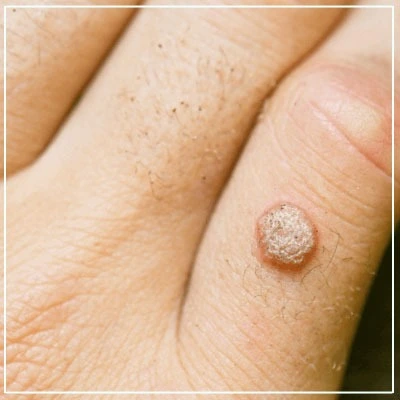
Warts are common skin growths caused by certain types of human papillomavirus (HPV). They can appear on the hands, fingers, feet, face, around the nails and other areas of the body. Although warts are generally non-cancerous, they can be uncomfortable, contagious and cosmetically bothersome. Some may disappear on their own, while others can persist or multiply and require dermatological treatment. Wart removal treatment in mumbai involves identifying the type of wart and selecting an appropriate treatment based on its location, size, number and the patient’s skin condition.
Dr. Deepam Shah, founder of Viva Aesthetic Clinic, is a dermatologist, cosmetologist and hair transplant surgeon practicing in South Mumbai. He has more than a decade of experience in skin and hair treatments and provides personalized care for a wide range of dermatological and aesthetic concerns.
What Are Warts?
Warts are small, usually non-cancerous growths that develop when certain HPV types cause an increased growth of skin cells. They can have a rough, thickened or smooth appearance depending on their type and location.
HPV can spread through direct skin-to-skin contact or through contact with contaminated objects and surfaces. People with damaged skin or certain skin conditions may be more susceptible to developing warts. Children and teenagers can also develop warts relatively frequently.
Because warts can spread from one part of the body to another, scratching, picking or cutting them at home may increase the risk of spreading the infection or causing skin injury.
Different Types of Warts
Warts can look different depending on where they occur and the HPV type involved. Common varieties include:
Common Warts
Common warts are usually firm, rough and raised. They frequently appear on the fingers, hands, toes and areas exposed to repeated friction.
Flat Warts
Flat warts are generally smaller and smoother than common warts. They can appear on the face, arms and legs and may occur in groups.
Plantar Warts
Plantar warts develop on the soles of the feet. Pressure from walking can push them deeper into the skin, sometimes causing discomfort or a sensation similar to having a small stone inside the shoe.
Filiform Warts
Filiform warts are elongated, skin-coloured growths that commonly occur around the face, particularly near the nose, eyes or mouth.
Periungual Warts
These warts develop around or underneath the fingernails and toenails. They can sometimes interfere with normal nail growth and may become painful.
Genital Warts
Genital warts occur in the genital region and are transmitted primarily through sexual contact. Because other skin lesions can look similar, genital growths should be evaluated by an appropriate medical professional rather than self-treated.
When Should You See a Dermatologist for a Wart?
Not every wart requires immediate treatment. However, a dermatological consultation is advisable when a growth is persistent, painful, repeatedly bleeding, rapidly changing, spreading or interfering with everyday activities.
You should also seek professional assessment if you are uncertain whether a growth is actually a wart. Several other skin lesions can resemble warts, and treatment should be based on an accurate diagnosis.
A dermatologist can examine the lesion, consider its appearance and location, and determine whether treatment is appropriate.
Wart Removal Treatment Options
Treatment depends on the type of wart, its location, size, number and previous treatment history. Viva Aesthetic Clinic lists several approaches for wart management.
Topical Treatments
Topical medications containing ingredients such as salicylic acid may be used for selected warts. These treatments gradually help remove the thickened skin. They need to be applied carefully because surrounding healthy skin can also become irritated.
A dermatologist can advise whether a topical treatment is appropriate and explain how it should be used.
Cryotherapy
Cryotherapy uses liquid nitrogen to freeze the wart tissue. The treated area may develop a blister or scab before the treated tissue separates from the surrounding skin.
More than one session may sometimes be required. The clinic’s published information notes that visible results may occur over multiple sessions depending on the individual case.
Electrocautery or Curettage
Electrofulguration or curettage can be used to remove selected lesions. The clinic describes the use of local anaesthesia followed by radiofrequency or electrocautery to treat the lesion.
The suitability of this approach depends on the wart and its location.
Laser Treatment
Laser-based treatment may be considered for certain persistent warts. A laser can target and destroy wart tissue, although potential side effects such as temporary changes in the skin or scarring need to be discussed before treatment.
CO₂ Laser
A CO₂ laser can be used to target wart cells through controlled heating. This technique may be considered in selected cases depending on the lesion and the dermatologist’s assessment.
Immunotherapy
For some difficult-to-treat or recurrent warts, immunotherapy may be considered. The clinic’s published information describes intralesional injections designed to stimulate the body’s immune response against the wart.
The most appropriate treatment is determined after examining the lesion rather than selecting a procedure solely based on its appearance.
Why Choose Dr. Deepam Shah for Wart Treatment?
Dr. Deepam Shah is the founder of Viva Aesthetic Clinic and practices as a dermatologist, cosmetologist and hair transplant surgeon in South Mumbai. His qualifications include MBBS from the University of Bombay, DNB in Dermatology & Venereology from the University of Delhi, and FAM (Fellowship in Aesthetic Medicine, Hair Transplant, Dermatology and Cosmetology) from ILAMED.
He has more than a decade of experience in dermatology, skin and aesthetic treatments. His published profile also lists expertise across dermatology, dermatosurgery, laser treatments, medical cosmetology, pediatric dermatology, hair transplantation and trichology.
Dr. Shah’s approach emphasizes understanding the underlying skin concern and developing a personalized treatment plan. His professional profile states that patient satisfaction is a priority and that he focuses on understanding the root cause of skin problems.
Patients looking for a Dermatologist in Mumbai can consult him for assessment of warts and other skin conditions.
Viva Aesthetic Clinic Environment
Viva Aesthetic Clinic is a 1,000-square-foot facility in South Mumbai equipped with modern lasers and medical devices. The clinic states that treatments are delivered by trained and qualified doctors and support staff using advanced technology.
The clinic provides dermatology, aesthetic and hair-related services in a dedicated environment. Its published information emphasizes personalized treatment plans, modern technology and patient-focused care.
The clinic operates from two Mumbai locations, including the Opera House location and a Colaba location, making specialist dermatology care accessible to patients from different parts of South Mumbai.
For patients searching for a Dermatologist and Skin Specialist in Mumbai, an in-person evaluation is important before choosing a wart-removal procedure because the correct diagnosis and treatment approach vary between lesions.
What to Expect During a Wart Removal Consultation
During the initial consultation, the dermatologist examines the growth and reviews relevant medical history. The doctor may ask how long the lesion has been present, whether it has changed, whether it is painful and whether previous treatments have been attempted.
After assessment, the dermatologist can discuss suitable options such as topical therapy, cryotherapy, electrocautery, curettage, laser treatment or immunotherapy where appropriate.
Patients should not attempt to cut, burn or aggressively scrape a wart at home. Professional treatment can reduce the risk of unnecessary skin injury and help determine whether the lesion is actually a wart.
After Wart Removal
After treatment, the skin may require simple wound care depending on the procedure used. Cryotherapy, electrocautery and laser treatments can produce temporary redness, swelling, blistering, crusting or sensitivity.
Patients should follow the dermatologist’s instructions regarding cleaning the area, applying prescribed medication and protecting healing skin from irritation or excessive sun exposure.
Because warts are caused by a viral infection, treatment removes or destroys the visible lesion but does not necessarily guarantee that another wart will never develop. Recurrence or new lesions can occur in some individuals.
Schedule a Consultation at Viva Aesthetic Clinic
If you have a persistent, painful or bothersome skin growth, professional evaluation can help determine whether it is a wart and which treatment is appropriate.
Consult Dr. Deepam Shah at Viva Aesthetic Clinic for personalized evaluation and treatment of warts and other skin concerns.
📞 93245 89084 | ☎️ 022 3573 1556
📧 clinicvivacosmetic@gmail.com
📍 Visit: Viva Aesthetic Clinic, Opera House or Colaba, Mumbai
Contact the clinic to confirm the appropriate location and appointment availability before visiting. The clinic’s published hours and contact information are available on its official contact page.
Frequently Asked Questions
1. Can warts go away on their own?
Some warts may disappear without treatment, particularly in children. However, persistent, spreading, painful or cosmetically concerning warts may require dermatological evaluation and treatment.
2. Which treatment is best for removing warts?
There is no single treatment that is best for every wart. Depending on the type, size, location and persistence of the lesion, a dermatologist may recommend topical treatment, cryotherapy, electrocautery, curettage, laser treatment or immunotherapy.
3. Can I remove a wart at home?
It is better to avoid cutting, burning or forcibly removing a wart at home. A dermatologist can first confirm the diagnosis and recommend a safer treatment approach appropriate for the lesion.
4. Can warts come back after treatment?
Yes. Wart treatment removes or destroys the visible lesion, but HPV can remain in the surrounding skin, and new or recurrent warts can sometimes develop. Follow-up with a dermatologist may be recommended for persistent or recurrent lesions.