
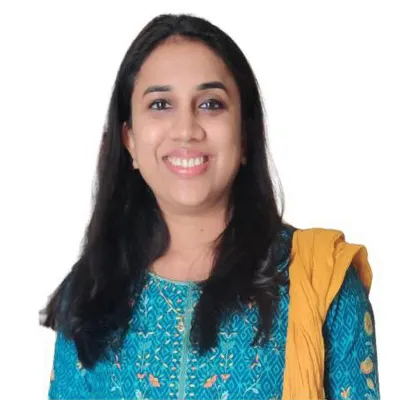
Good vision plays an important role in everyday life, and regular eye care can help identify vision problems and eye diseases at an early stage. People searching for an Ophthalmology doctor in Greater Noida may look for a qualified eye specialist who can provide comprehensive diagnosis, treatment, and guidance for different eye conditions. Dr. Tanima Bansal at Oculus Eye Clinic provides ophthalmic care for patients with refractive errors, cataracts, glaucoma, corneal conditions, retinal concerns, and other eye-related problems.
Ophthalmology Doctor in Greater Noida: Understanding Comprehensive Eye Care
Ophthalmology is the branch of medicine concerned with the diagnosis and treatment of diseases and disorders affecting the eyes and visual system. An ophthalmologist can evaluate vision and eye health, prescribe corrective lenses when required, and provide medical or surgical treatment for various eye conditions.
An eye consultation may be recommended for:
- Blurred or reduced vision
- Difficulty seeing at night
- Eye pain or redness
- Persistent watering or irritation
- Headaches associated with vision problems
- Cataract-related vision changes
- Glaucoma screening
- Diabetic eye complications
- Retinal disorders
- Corneal problems
- Refractive errors
- Age-related vision changes
Regular eye examinations can be particularly important for people with diabetes, hypertension, a family history of glaucoma, or other risk factors for eye disease.
Dr. Tanima Bansal – Best Eye Specialist in Greater Noida
Dr. Tanima Bansal is an ophthalmologist associated with Oculus Eye Clinic in Greater Noida. Her clinical practice covers comprehensive eye evaluation and management of a range of ophthalmic conditions.
Her professional expertise includes cataract surgery, refractive surgery, glaucoma management, corneal conditions, retinal diseases, and other areas of ophthalmology. Her approach involves assessing the patient’s symptoms and eye health before recommending an appropriate treatment plan.
Patients searching for a Best Eye Specialist in Greater Noida can consider factors such as professional qualifications, clinical experience, areas of specialization, available diagnostic facilities, and the quality of patient care when selecting an ophthalmologist.
Qualifications and Clinical Experience
Dr. Tanima Bansal is a qualified ophthalmologist with specialized training in eye care and ophthalmic procedures. Her clinical experience includes the diagnosis and treatment of common as well as complex eye conditions.
Her areas of clinical expertise include:
- Cataract management
- Glaucoma evaluation and treatment
- Corneal disorders
- Retinal conditions
- Refractive errors
- Comprehensive eye examinations
- Refractive surgery
- General ophthalmic care
A detailed assessment is important because similar symptoms can sometimes occur with different eye conditions. An ophthalmologist can determine which investigations are appropriate based on the patient’s age, symptoms, medical history, and risk factors.
Cataract Evaluation and Treatment
A cataract occurs when the natural lens of the eye becomes cloudy, gradually affecting vision. It is commonly associated with ageing but can also develop because of diabetes, previous eye injury, certain medications, or other factors.
Common symptoms of cataracts include:
- Blurred vision
- Difficulty reading
- Increased sensitivity to glare
- Difficulty seeing at night
- Faded or less vivid colours
- Frequent changes in spectacle prescription
When cataracts significantly affect daily activities, cataract surgery may be considered. The procedure involves removing the cloudy natural lens and replacing it with an artificial intraocular lens.
The choice of intraocular lens depends on the patient’s eye health, visual requirements, lifestyle, and clinical assessment.
Glaucoma Screening and Management
Glaucoma refers to a group of eye conditions that can damage the optic nerve and may lead to permanent vision loss. Increased eye pressure is an important risk factor, although glaucoma can also occur with normal eye pressure.
One of the challenges with glaucoma is that it may develop gradually without obvious symptoms during the early stages. Regular eye examinations can therefore be important for people at increased risk.
An ophthalmologist may evaluate eye pressure, optic nerve health, visual fields, and other relevant parameters during glaucoma assessment.
Treatment depends on the type and severity of glaucoma and may include prescription eye drops, laser procedures, or surgery when required.
Corneal and Retinal Eye Care
The cornea is the transparent outer surface at the front of the eye and plays an important role in focusing light. Corneal conditions can affect vision and may cause discomfort, redness, sensitivity to light, or blurred vision.
Retinal diseases can also significantly affect sight. The retina is the light-sensitive tissue at the back of the eye that converts light into signals sent to the brain.
Retinal problems can be associated with diabetes, ageing, vascular conditions, retinal tears, or other eye disorders.
Early assessment is important when patients experience sudden changes in vision, flashes of light, new floaters, a shadow or curtain-like effect in the visual field, or sudden loss of sight.
Refractive Errors and Vision Correction
Refractive errors occur when the eye does not focus light correctly on the retina. Common refractive errors include:
- Myopia or short-sightedness
- Hypermetropia or long-sightedness
- Astigmatism
- Presbyopia
Depending on the patient’s requirements, vision correction may involve spectacles, contact lenses, or refractive surgery in suitable candidates.
A comprehensive eye examination helps determine the type and degree of refractive error and whether the patient may be suitable for a particular vision-correction option.
Importance of Regular Eye Examinations
An eye examination is not only about checking whether a person needs new spectacles. A comprehensive examination can help identify certain eye diseases and, in some cases, signs associated with broader health conditions.
People should consider regular eye examinations, particularly if they:
- Have diabetes
- Have high blood pressure
- Have a family history of glaucoma
- Are older adults
- Experience recurrent visual disturbances
- Have a history of eye injury
- Spend prolonged periods performing visually demanding tasks
- Notice changes in vision
Children may also require eye examinations to identify refractive errors and other vision problems that could affect learning and development.
Clinic Environment at Oculus Eye Clinic
Oculus Eye Clinic in Greater Noida provides an environment focused on ophthalmic consultation, eye examination, diagnosis, and treatment. Patients can discuss their vision concerns and undergo appropriate assessment based on their symptoms and clinical requirements.
A structured eye consultation generally includes discussion of medical history, vision assessment, and examination of the eyes. Additional diagnostic tests may be recommended when required.
Patients looking for a Best Eye Clinic in Greater Noida may consider the clinic’s accessibility, ophthalmic expertise, diagnostic capabilities, treatment options, and approach to patient care.
When Should You Consult an Ophthalmologist?
An ophthalmology consultation may be appropriate when changes in vision persist or interfere with daily activities. Patients should not ignore symptoms such as unexplained vision loss, persistent eye pain, flashes, sudden floaters, or significant changes in the visual field.
Emergency assessment may be necessary for sudden loss of vision, severe eye pain, serious eye injury, or sudden visual disturbances.
Even without symptoms, people at higher risk of eye disease may benefit from periodic screening as recommended by an eye specialist.
Choosing an Ophthalmology Doctor in Greater Noida
When selecting an Ophthalmology doctor in Greater Noida, patients can consider the doctor’s qualifications, clinical experience, areas of expertise, diagnostic facilities, surgical capabilities, and approach to individualized treatment.
Dr. Tanima Bansal provides ophthalmic care covering multiple areas of eye health, including cataract, glaucoma, corneal, retinal, and refractive concerns. A specialist evaluation can help determine the underlying cause of vision problems and guide appropriate treatment.
Patients should also provide their previous eye reports, prescriptions, medical history, and information about existing medications during their consultation.
Benefits of Professional Eye Care
Regular professional eye care can help with:
- Early identification of eye disease
- Accurate vision assessment
- Appropriate spectacle prescription
- Monitoring of chronic eye conditions
- Cataract evaluation
- Glaucoma screening
- Assessment of retinal and corneal health
- Guidance regarding surgical and non-surgical treatment options
The recommended frequency of eye examinations depends on age, existing conditions, family history, symptoms, and other individual risk factors.
Book a Consultation With Dr. Tanima Bansal
If you are searching for an Ophthalmology doctor in Greater Noida for vision problems, cataract evaluation, glaucoma assessment, corneal or retinal concerns, or comprehensive eye care, you can contact Dr. Tanima Bansal at Oculus Eye Clinic.
📞 +91 9354259073
📧 eyeclinicoculus@gmail.com
Get Directions to the Clinic – Oculus Eye Clinic, Greater Noida
Frequently Asked Questions
1. When should I visit an ophthalmology doctor?
You should consider an ophthalmology consultation for persistent blurred vision, eye pain, redness, visual disturbances, cataract symptoms, glaucoma risk, retinal concerns, or other unexplained changes in vision. Regular examinations are also important for people at higher risk of eye disease.
2. What conditions does Dr. Tanima Bansal treat?
Dr. Tanima Bansal provides ophthalmic care for a range of conditions, including cataracts, glaucoma, corneal disorders, retinal conditions, refractive errors, and other general eye health concerns.
3. How often should I have an eye examination?
The appropriate frequency depends on your age, eye health, medical history, family history, and risk factors. People with diabetes, glaucoma risk, or existing eye conditions may require more frequent monitoring as recommended by their ophthalmologist.
4. Can an ophthalmologist treat both vision problems and eye diseases?
Yes. Ophthalmologists are medical doctors specializing in eye health. They can evaluate vision, diagnose eye diseases, prescribe treatments, and perform eye surgeries when medically appropriate.