
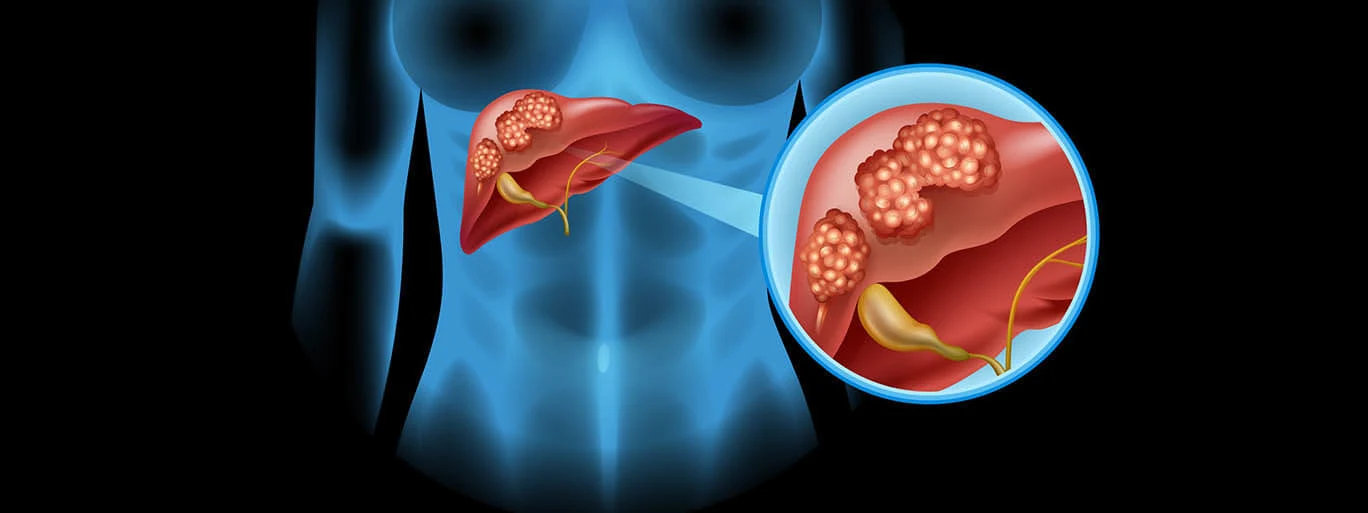
A liver cancer diagnosis can be overwhelming for patients and their families. Understanding the diagnosis, available treatment options, and the experience of the surgical team can make an important difference when planning the next steps. Liver cancer is a complex disease because the liver has an intricate blood supply and plays several essential roles in the body. Treatment therefore requires careful evaluation and an individualized approach.
For patients searching for the best doctor for liver cancer in mumbai, choosing a specialist with focused experience in hepatobiliary and pancreatic surgery, gastrointestinal oncology, and advanced liver procedures can help ensure that treatment decisions are based on the individual cancer, liver condition, and overall health.
At Cancer Surgery Clinic, Mumbai, Dr. Ganesh Nagarajan provides specialized surgical oncology care for liver and other gastrointestinal, hepatobiliary, and pancreatic cancers. His extensive training and experience in complex cancer surgery make him a specialist for patients seeking expert evaluation and treatment planning.
Understanding Liver Cancer
Liver cancer refers to cancer that develops in the liver. Primary liver cancers originate within the liver itself, while cancers from other organs can also spread to the liver, known as liver metastases.
Hepatocellular carcinoma (HCC) is one of the major forms of primary liver cancer. Other liver tumors can arise from different types of cells within the liver or bile ducts. Treatment depends on factors such as the type of tumor, its size and location, whether it has spread, liver function, and the patient’s overall health.
A thorough evaluation is essential before deciding whether surgery, systemic treatment, liver-directed treatment, or a combination of approaches is appropriate.
What Are the Risk Factors for Liver Cancer?
Several conditions can increase the risk of developing liver cancer. These may include chronic liver disease, cirrhosis, hepatitis B or hepatitis C infection, certain metabolic liver conditions, and long-term liver damage.
Not every person with these risk factors develops cancer, but individuals with chronic liver disease may require regular medical monitoring.
Symptoms can vary depending on the stage and type of liver cancer. Some patients may have few symptoms during the early stages. Possible symptoms include unexplained weight loss, loss of appetite, abdominal discomfort, jaundice, fatigue, nausea, or a feeling of fullness in the upper abdomen.
Any persistent or unexplained symptoms should be evaluated by an appropriate medical professional rather than assumed to be liver cancer.
How Is Liver Cancer Diagnosed?
Liver cancer diagnosis generally involves combining clinical assessment with imaging and laboratory investigations. Depending on the patient’s circumstances, doctors may recommend blood tests, ultrasound, CT scans, MRI, or other investigations.
Imaging is particularly important for understanding the location, number, and characteristics of liver lesions and for determining their relationship with important blood vessels and surrounding structures.
In selected cases, a biopsy may be recommended. However, whether a biopsy is necessary depends on the type of lesion and the findings from imaging and other investigations.
Once the diagnosis is established, staging helps determine the most appropriate treatment strategy.
Why Specialist Liver Cancer Surgery Matters
Liver cancer surgery can be technically demanding because surgeons must remove or treat the tumor while preserving sufficient healthy liver tissue and considering the liver’s major blood vessels and bile ducts.
The surgical approach depends on factors such as:
- Tumor size and location
- Number of tumors
- Liver function
- Presence or absence of cirrhosis
- Involvement of major blood vessels
- Whether the cancer originated in the liver or spread from another organ
- Overall health and fitness for surgery
For complex cases, a hepatobiliary surgical oncologist can assess whether a tumor is technically removable and which surgical strategy may provide the most appropriate balance between cancer control and preservation of liver function.
Meet Dr. Ganesh Nagarajan
Dr. Ganesh Nagarajan is a senior surgical oncologist specializing in gastrointestinal and hepatobiliary pancreatic surgical oncology. He is currently associated with the Hepatobiliary, Pancreatic, and Gastrointestinal Oncology department at Nanavati Max Institute of Cancer Care, Mumbai. His qualifications include MS, FCPS, and specialized surgical oncology training at Tata Memorial Hospital. He also completed a Fellowship in Hepatobiliary Pancreatic Surgery and Liver Transplantation at Hospital Beaujon, Paris.
His formal medical education includes an MBBS from Bombay University in 2000 and an MS in General Surgery from Bombay University in 2004. He completed a four-year surgical oncology residency at Tata Memorial Hospital between 2004 and 2008, followed by his fellowship in hepatobiliary pancreatic surgery and liver transplantation in France during 2008–09. He is also registered with the Maharashtra Medical Council.
Experience in Complex Cancer Surgery
Dr. Nagarajan has developed extensive experience in the management of complex gastrointestinal, hepatobiliary, and pancreatic cancers. According to his official profile, he has more than 28 years of overall experience and has performed more than 2,000 complex GI cancer surgeries. He has also provided consultation to more than 15,000 patients with GI and HPB cancers.
His professional journey includes training and clinical roles at institutions such as KEM Hospital, Lokmanya Tilak Municipal General Hospital, Tata Memorial Hospital, Bombay Hospital, Fortis Hospital, and PD Hinduja National Hospital. He served as a Senior Consultant at PD Hinduja National Hospital for nearly a decade.
His academic background also includes research published in international medical journals. His professional recognition includes the Outstanding Young Indian Award in 2011, a Rotarian Ambassadorial Scholarship in France, and Fellowship of the College of Physicians and Surgeons, Mumbai.
Dr. Ganesh Nagarajan’s Expertise in Liver Cancer Surgery
Dr. Nagarajan’s subspecialty includes hepatobiliary and pancreatic surgery and gastrointestinal oncologic surgery. His expertise covers liver cancer, pancreatic cancer, gastric cancer, esophageal cancer, colorectal malignancies, neuroendocrine tumors, and abdominal sarcomas.
His advanced surgical capabilities include robotic and laparoscopic GI and hepatobiliary-pancreatic oncology surgery, vascular resections and reconstructions for HPB tumors, HIPEC surgery, surgery for portal hypertension, and procedures for bile duct strictures or injuries.
His fellowship training in hepatobiliary pancreatic surgery and liver transplantation is particularly relevant to complex liver and HPB cases, where detailed knowledge of liver anatomy, vascular structures, and surgical reconstruction can be important.
For patients looking for an experienced onco surgeon in mumbai, Dr. Nagarajan’s focused training in GI, hepatobiliary, and pancreatic surgical oncology provides a specialized approach to complex abdominal cancers.
Role of Robotic and Laparoscopic Surgery
Advances in minimally invasive surgery have expanded the surgical options available for selected cancer patients. Robotic and laparoscopic procedures can allow surgeons to perform certain complex operations through smaller incisions compared with traditional open surgery.
However, robotic or laparoscopic surgery is not automatically appropriate for every liver cancer patient. The decision depends on tumor characteristics, anatomy, previous treatments, the patient’s health, and the surgeon’s assessment.
Dr. Nagarajan has expertise in robotic and laparoscopic GI and HPB onco-surgery. His surgical approach is selected according to the requirements of each individual case rather than using one technique for every patient.
Patients researching a Robotic Cancer Surgeon should therefore focus not only on access to robotic technology but also on the surgeon’s experience with complex cancer surgery and the specific procedure being considered.
Cancer Surgery Clinic: Focused Cancer Care
Cancer Surgery Clinic in Mumbai provides comprehensive treatment options for hepatobiliary, pancreatic, and gastrointestinal cancers. The clinic emphasizes personalized treatment planning, an experienced surgical team, modern diagnostic and treatment technology, and coordinated cancer care.
Dr. Nagarajan’s consultation practice also supports patients seeking second opinions for complex GI and HPB cancer cases. A second opinion can be useful when patients want another expert assessment of their diagnosis, treatment choices, surgical feasibility, or available alternatives.
The clinic’s approach is centered on helping patients understand their condition and navigate the treatment journey from diagnosis through therapy.
When Should You Consult a Liver Cancer Specialist?
A specialist consultation is particularly important when imaging has identified a liver tumor, when a patient has been diagnosed with hepatocellular carcinoma, or when another cancer has spread to the liver.
It is also reasonable to seek a specialist opinion when surgery has been recommended, when a tumor involves major blood vessels, when there are multiple liver lesions, or when the diagnosis or treatment plan is complex.
The goal of specialist assessment is to understand the disease thoroughly and determine which treatment options may be appropriate for the individual patient.
Book a Consultation with Dr. Ganesh Nagarajan
Choosing a liver cancer surgeon is an important decision. Dr. Ganesh Nagarajan brings specialized training in surgical oncology and hepatobiliary pancreatic surgery, international fellowship experience in liver transplantation, and extensive experience in complex GI and HPB cancer surgery.
If you are searching for the best doctor for liver cancer in mumbai, a detailed consultation can help you understand your diagnosis, evaluate surgical possibilities, and discuss an individualized treatment plan.
📞 +91 730466 3828
📧 hello@cancersurgeryclinic.com
📍 Get directions to the clinic
Don’t delay seeking specialist guidance after a liver cancer diagnosis. Contact Dr. Ganesh Nagarajan’s team to schedule a consultation, discuss your reports, and understand the treatment options available for your specific condition.
Frequently Asked Questions
1. What type of doctor treats liver cancer?
Liver cancer may require care from a multidisciplinary team that can include a surgical oncologist, medical oncologist, radiation specialist, hepatologist, radiologist, and other specialists. A hepatobiliary surgical oncologist evaluates whether surgery or other liver-directed procedures may be appropriate.
2. Is liver cancer always treated with surgery?
No. Treatment depends on the type and stage of cancer, liver function, tumor location and size, whether the cancer has spread, and the patient’s overall health. Depending on the case, treatment may involve surgery, systemic therapy, liver-directed treatment, or combinations of different approaches.
3. What is the role of a hepatobiliary cancer surgeon?
A hepatobiliary cancer surgeon specializes in cancers involving organs and structures such as the liver, bile ducts, gallbladder, and pancreas. These surgeons are trained to perform complex procedures involving the liver and its surrounding blood vessels and bile ducts.
4. Can I get a second opinion for liver cancer?
Yes. A second opinion can be valuable, particularly for complex liver tumors, uncertain diagnoses, difficult surgical cases, or when multiple treatment options are available. It can help patients better understand their diagnosis and the potential benefits and limitations of different approaches.