
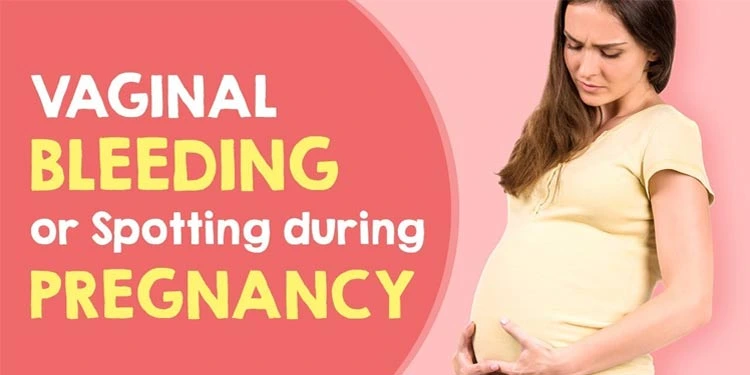
Pregnancy can bring many physical changes, and vaginal bleeding is one symptom that can understandably cause concern. So, is it normal to bleed during pregnancy? The answer depends on factors such as the stage of pregnancy, amount of bleeding, associated pain and the underlying cause. Light spotting can occur during early pregnancy and does not always indicate a serious problem, but bleeding at any stage should be discussed with an obstetrician-gynaecologist. Dhanvantari Hospital in Borivali provides antenatal care, high-risk pregnancy management and obstetric services under the care of Dr. Deepika Doshi, MBBS, MS (Obstetrics & Gynaecology), Gold Medalist.
Is It Normal to Bleed During Pregnancy? Understanding the Causes
Many women experience some degree of spotting or bleeding during pregnancy. According to Dhanvantari Hospital’s pregnancy guidance, bleeding during early pregnancy is relatively common and may occur for several reasons. However, bleeding later in pregnancy may have more serious causes and requires prompt medical assessment.
During the first trimester, light spotting can occur around the time of implantation. Increased blood supply and changes in the cervix can also make the area more susceptible to bleeding. Some women may notice spotting after sexual intercourse, a pelvic examination or a Pap test.
However, bleeding can also be associated with conditions that need medical attention, including infection, early pregnancy loss and ectopic pregnancy. Therefore, the amount or appearance of blood alone should not be used to determine whether a pregnancy is safe.
Bleeding During Early Pregnancy
Bleeding in the first trimester occurs in approximately 15–25% of pregnancies, according to the information provided by Dhanvantari Hospital. Light bleeding does not necessarily mean that a pregnancy will be lost, but it should still be reported to the treating obstetrician.
Possible causes include:
- Implantation-related spotting
- Cervical changes
- Bleeding following intercourse or an examination
- Infection
- Early pregnancy loss
- Ectopic pregnancy
Early pregnancy loss, commonly called miscarriage, refers to loss of pregnancy during the first 13 weeks. Bleeding and abdominal cramping can occur with a miscarriage, although not every woman experiences bleeding beforehand.
Ectopic Pregnancy and Vaginal Bleeding
An ectopic pregnancy occurs when the fertilized egg implants outside the uterus, most commonly within a fallopian tube. Vaginal bleeding can sometimes be the only symptom, while other women may experience abdominal, pelvic or shoulder pain.
If an ectopic pregnancy causes rupture of the fallopian tube, internal bleeding can become life-threatening. Symptoms such as severe abdominal or pelvic pain, weakness, fainting or shoulder pain associated with pregnancy require urgent medical evaluation.
Bleeding Later in Pregnancy
The answer to is it normal to bleed during pregnancy becomes particularly important in the second and third trimesters. While some light bleeding can result from cervical inflammation or growths on the cervix, heavier bleeding later in pregnancy can indicate a placental problem.
Dhanvantari Hospital highlights several possible causes of bleeding later in pregnancy, including placental abruption, placenta previa and placenta accreta.
Placental abruption occurs when the placenta separates from the uterine wall before or during delivery. Vaginal bleeding may occur along with abdominal or back pain. It can affect the baby’s oxygen supply and may result in significant maternal blood loss.
Placenta previa occurs when the placenta lies unusually low in the uterus and partly or completely covers the cervix. Bleeding associated with placenta previa may occur without pain. In some pregnancies, the placenta moves away from the cervix as the uterus grows; in other cases, delivery by C-section may be required.
Placenta accreta occurs when the placenta grows too deeply into the uterine wall. It can cause significant bleeding during pregnancy or delivery and may require carefully planned hospital-based management.
Can Bleeding Be a Sign of Preterm Labour?
Vaginal bleeding or a bloody change in discharge during later pregnancy can sometimes be associated with labour. When labour begins before 37 completed weeks, it is considered preterm labour.
Other symptoms may include:
- Increasing pelvic or lower abdominal pressure
- Persistent lower backache
- Abdominal cramps
- Regular uterine contractions or tightening
- Increased, watery or mucus-like vaginal discharge
- Leakage or rupture of the membranes
If bleeding is accompanied by these symptoms, medical assessment should not be delayed. The management of preterm labour depends on the gestational age and the health of both mother and baby.
When Should You Contact an Obstetrician?
A common question among expecting mothers is, is it normal to bleed during pregnancy if the bleeding is light? Even light spotting should be reported to the healthcare provider because the significance depends on the pregnancy stage and individual circumstances.
Contact your obstetrician if you experience:
- Any unexplained vaginal bleeding
- Repeated spotting
- Moderate or heavy bleeding
- Bleeding with abdominal or pelvic pain
- Bleeding with dizziness or weakness
- Bleeding accompanied by contractions
- Bloody or watery vaginal discharge
- Bleeding later in pregnancy
Heavy bleeding, severe pain, fainting or symptoms suggestive of significant blood loss require urgent medical attention rather than waiting for a routine appointment. Dhanvantari Hospital specifically advises immediate medical attention for bleeding late in pregnancy.
Dr. Deepika Doshi: Obstetric and Gynaecological Expertise
Dr. Deepika Doshi is an obstetrician and gynaecologist at Dhanvantari Hospital. She holds an MBBS and MS in Obstetrics & Gynaecology and is a Gold Medalist. Her listed areas of expertise include infertility, laparoscopic surgery and high-risk pregnancy.
Her clinical role encompasses pregnancy care and gynaecological treatment, making her relevant for women seeking evaluation of pregnancy-related concerns, including symptoms that may require closer monitoring.
For women searching for a Maternity & Gynecology surgery centre in Borivali, Dhanvantari Hospital provides antenatal care, pregnancy care, high-risk pregnancy management, delivery services and treatment for several gynaecological conditions.
Dhanvantari Hospital: Pregnancy Care and Clinical Environment
Dhanvantari Hospital was established in Borivali in 1999 by Dr. Tarun Doshi, following his earlier community healthcare work through KK Hospital. The hospital was upgraded and revamped in 2019 as part of its development as a maternity and surgical hospital.
The hospital provides 24-hour emergency services covering obstetrics and gynaecology, trauma, general surgery and pediatric surgery. Its infrastructure includes medical equipment sourced from internationally reputed manufacturers, supported by doctors, nurses, paramedical professionals and technical staff.
Dhanvantari Hospital also states that its approach is focused on providing quality healthcare without unnecessary emphasis on elaborate interiors and associated overhead costs. Its stated mission is to make expert healthcare accessible to mothers and children.
For families looking for a Best Maternity, Gynecology, Laparoscopy Surgery Hospital in Borivali, the facility combines maternity, gynaecology and surgical services in one setting.
Managing Bleeding During Pregnancy: What Should You Do?
There is no single treatment for pregnancy-related bleeding because management depends entirely on its cause. A doctor may assess the pregnancy history, symptoms, gestational age and clinical condition and recommend appropriate examinations or investigations.
Women should avoid self-diagnosing the cause based on the colour or quantity of bleeding. Some causes may be minor, while others require urgent treatment or hospital-based monitoring.
Most importantly, do not ignore bleeding simply because it is described as “spotting.” Prompt communication with your obstetrician helps determine whether reassurance, monitoring, further testing or immediate treatment is necessary.
Frequently Asked Questions
1. Is it normal to bleed during pregnancy?
Light spotting can occur during pregnancy, particularly during the first trimester, and does not always indicate a serious problem. However, bleeding can have several causes, including miscarriage, ectopic pregnancy and placental complications. Any unexplained bleeding should be discussed with an obstetrician.
2. Is bleeding during the third trimester an emergency?
Bleeding later in pregnancy can be more serious, particularly when it is heavy or associated with pain, contractions or other symptoms. Placental abruption, placenta previa and placenta accreta are among possible causes. Seek prompt medical attention for bleeding during late pregnancy.
3. Can ectopic pregnancy cause vaginal bleeding?
Yes. Vaginal bleeding can occur with an ectopic pregnancy and may sometimes be the only symptom. Abdominal, pelvic or shoulder pain, weakness or fainting can also occur, particularly if internal bleeding develops. Urgent medical assessment is required when these symptoms occur.
4. Does Dhanvantari Hospital provide high-risk pregnancy care?
Yes. Dhanvantari Hospital provides antenatal and pregnancy care, including high-risk pregnancy and high-risk delivery services. Dr. Deepika Doshi’s listed expertise includes high-risk pregnancy, along with infertility and laparoscopic surgery.
Consult Dr. Deepika Doshi at Dhanvantari Hospital
If you are wondering is it normal to bleed during pregnancy, it is safest not to rely on online information alone. The cause of bleeding can vary considerably depending on the stage of pregnancy and associated symptoms. An obstetrician can evaluate your individual situation and recommend the appropriate next step.
📞 022 28338378 | +91 9324263464
📧 info@dhanvantarihospitals.com
Get Directions to the Clinic – Dhanvantari Hospital
Experiencing spotting or bleeding during pregnancy? Contact Dhanvantari Hospital to schedule a consultation with Dr. Deepika Doshi for appropriate pregnancy evaluation and guidance.