
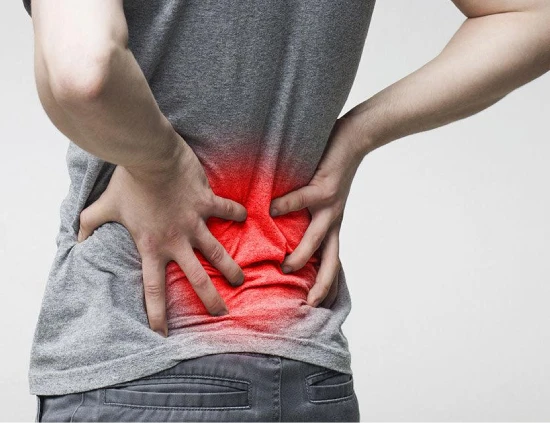
Lower back discomfort is a common concern among women and can affect everything from work and household activities to sleep and overall mobility. Pain in lower back in females may develop because of spinal conditions, muscle strain, lifestyle factors, hormonal changes, or reduced bone strength with age. Identifying the underlying cause is important because treatment depends on whether the pain is related to a disc, nerves, joints, posture, bone health, or another condition.
At Synapse Spine, patients can access specialized spine care focused on accurate diagnosis, personalized treatment, and both non-surgical and minimally invasive approaches where appropriate.
Why Do Women Experience Lower Back Pain?
Women may experience back pain for several reasons. Daily routines can involve prolonged sitting at work, extended standing, household activities, lifting, and repetitive movements, all of which can place additional stress on the lower spine.
Some common causes include:
- Herniated or bulging discs: A disc that protrudes or herniates may irritate or compress nearby spinal nerves, potentially causing lower back pain and sometimes leg symptoms.
- Spinal stenosis: Narrowing of the spinal canal can place pressure on the spinal cord or nerves and may lead to persistent discomfort.
- Osteoporosis: Reduced bone density, particularly after menopause, can increase the risk of vertebral fractures and associated back pain.
- Scoliosis: Abnormal curvature of the spine can create uneven stress on spinal structures.
- Arthritis: Degenerative or inflammatory changes in spinal joints may contribute to stiffness and pain.
- Excess weight: Additional load on the spine can increase mechanical stress.
- Large breasts: Breast weight may influence posture and place additional strain on the back in some women.
Why Can Lower Back Pain Be More Common in Women?
Certain physical and lifestyle factors can contribute to back problems in women. Balancing professional responsibilities with household or caregiving activities may involve repetitive bending, lifting, or prolonged standing. Desk-based work can also mean spending many hours in one position.
Bone health is another consideration. After menopause, declining estrogen levels can contribute to reduced bone density, potentially increasing the risk of osteoporosis-related spinal problems. Women may also have comparatively lower muscle mass supporting the spine, making strength and conditioning important components of back health.
When Should You See a Spine Specialist?
Occasional back discomfort may improve with appropriate rest, activity modification, exercise, and other conservative measures. However, persistent or recurring pain should not simply be ignored.
A consultation with a spine specialist may be appropriate when pain:
- Continues despite basic self-care
- Interferes with work, sleep, or daily activities
- Repeatedly returns
- Is accompanied by numbness, weakness, or radiating leg pain
- Is associated with significant difficulty moving
- Occurs in a woman with known osteoporosis or another spinal condition
Early evaluation can help identify the cause and determine whether conservative care is sufficient or whether further intervention is required.
How Is Lower Back Pain Diagnosed in Women?
A proper diagnosis begins with a detailed medical history and physical examination. A spine specialist may assess the location and nature of pain, range of motion, posture, muscle strength, reflexes, and possible nerve involvement.
Depending on the symptoms, diagnostic investigations may include:
X-rays: Useful for assessing certain structural or alignment-related changes.
MRI: Provides detailed images of discs, nerves, the spinal canal, and other soft tissues.
CT scans: May provide additional information about bony structures.
Bone density testing: Particularly relevant for postmenopausal women when osteoporosis is suspected.
Blood tests: May be recommended when inflammatory conditions or infections need to be considered.
The appropriate investigation depends on the individual patient’s symptoms and clinical assessment.
Treatment Options for Lower Back Pain
Treatment should be tailored to the cause and severity of the problem. Importantly, not every woman with lower back pain needs surgery. Synapse Spine’s reference information highlights conservative care as an important part of treatment, with surgical intervention considered only in selected circumstances.
Conservative Treatment
Depending on the diagnosis, treatment may include:
- Prescribed pain-relieving or anti-inflammatory medication
- Physiotherapy
- Core and back-strengthening exercises
- Stretching and mobility exercises
- Yoga where medically appropriate
- Posture correction
- Ergonomic improvements at work and home
- Healthy weight management
- Adequate calcium and vitamin D as appropriate for individual bone-health needs
Physiotherapy can help improve strength, mobility, and functional movement while reducing unnecessary strain on the spine.
Minimally Invasive Treatment
When conservative treatment does not provide adequate improvement, a specialist may consider minimally invasive options depending on the underlying condition.
Synapse Spine provides procedures such as spinal injections and endoscopic spine surgery. Epidural steroid injections may be used in selected cases to reduce inflammation and nerve-related pain. Endoscopic spine surgery is another minimally invasive option for appropriate spinal conditions.
When Is Spine Surgery Considered?
Surgery is generally considered only when there is a clear medical indication. According to Synapse Spine, possible reasons include failure of conservative treatment, significant nerve compression resulting in weakness or numbness, or worsening structural conditions such as spinal stenosis or scoliosis.
A detailed evaluation helps determine whether surgery is appropriate. Patients should discuss the expected benefits, potential risks, alternatives, and recovery requirements with their treating specialist before making a decision.
Why Choose Synapse Spine for Spine Care in Mumbai?
Synapse Spine brings together specialists from orthopaedic spine surgery and neurosurgical backgrounds. Its team includes orthopaedic spine surgeons, neurospine surgeons, brain and spine surgeons, neurosurgeons, and a consultant spine surgeon and pain-management specialist.
The team includes doctors such as Dr. Nandan Marathe, Dr. Anuj Bhide, Dr. Ajit Mishra, Dr. Aditya Raj, Dr. Abhishek Kulkarni, Dr. Medha Vyas, Dr. Kunal S. Singh, Dr. Sushant Nadkarni, and Dr. Falgun Yadav Dhawale, representing multiple areas of advanced spine care.
Synapse Spine emphasizes modern technology, clinical expertise, ethical and evidence-based treatment, and individualized care. Its network also has clinics across several Mumbai locations, including Andheri East, Andheri West, Borivali, Mira Road, Bandra, Vile Parle, Malad, Goregaon, Bhayandar, Vasai, and Virar.
For women searching for a spine specialist Doctor in Mumbai, this multidisciplinary approach can be valuable because lower back pain may have different causes and may require different treatment strategies.
Patients looking for a spine surgeon in mumbai can also benefit from an evaluation that considers non-surgical options first and reserves procedures for cases where they are medically appropriate.
How Can Women Prevent Lower Back Pain?
Prevention starts with maintaining a healthy and active lifestyle. Regular exercises that strengthen the core and back can provide better muscular support for the spine. Maintaining good sitting and standing posture, taking breaks from prolonged sitting, using an ergonomic workstation, and following safe lifting techniques can also reduce unnecessary strain.
Women should also pay attention to bone health, especially after menopause. Appropriate nutrition, physical activity, and medical assessment when indicated can help address osteoporosis risk.
Consult Synapse Spine for Specialized Back Pain Care
Persistent back pain should not be allowed to interfere with your everyday life. At Synapse Spine, the focus is on understanding the underlying cause and creating an individualized treatment plan based on the patient’s condition, symptoms, and needs.
Visit your nearest Synapse Spine clinic for a professional spine evaluation and personalized guidance.
Take the next step toward better spine health—contact Synapse Spine to schedule your consultation.
Frequently Asked Questions
1. What are the common causes of lower back pain in females?
Common causes include herniated or bulging discs, spinal stenosis, scoliosis, arthritis, osteoporosis, excess weight, prolonged standing or sitting, and postural strain. The exact cause should be determined through a medical evaluation.
2. Can lower back pain in women be treated without surgery?
Yes. Many cases can be managed with conservative approaches such as medication, physiotherapy, exercise, posture correction, and lifestyle changes. Surgery is considered only when clinically indicated.
3. When should a woman consult a spine specialist?
You should consider a specialist consultation when back pain is persistent, recurrent, affects daily activities, or is accompanied by symptoms such as numbness, weakness, or radiating pain. Early assessment can help identify the underlying problem.
4. Does menopause affect lower back health?
Menopause can be associated with reduced estrogen levels and declining bone density, which may increase the risk of osteoporosis and vertebral fractures. Women concerned about bone health should discuss appropriate evaluation and preventive measures with a healthcare professional.