
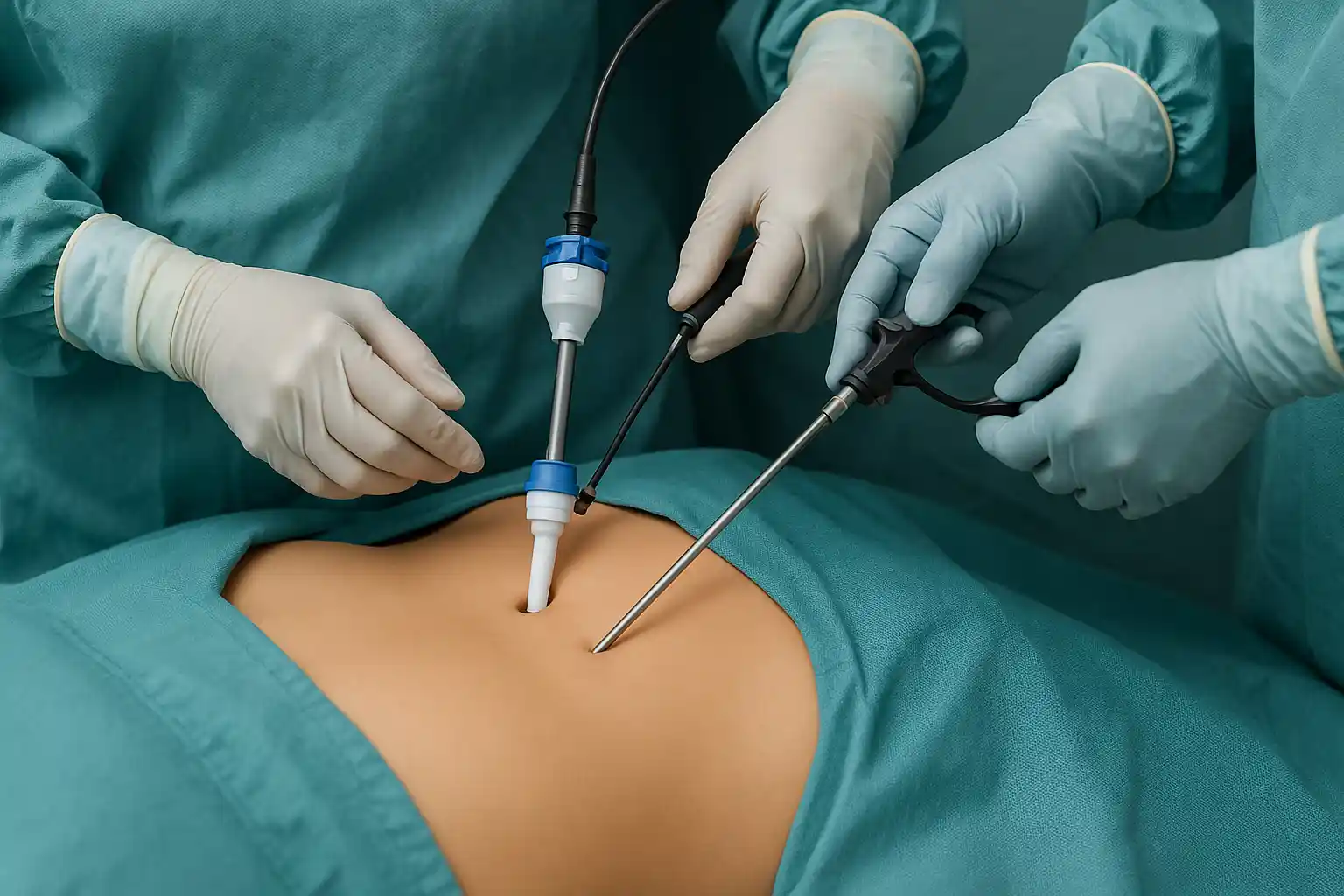
If you are looking for urinary incontinence treatment in mumbai, you should know that involuntary urine leakage is common but should not be considered a normal part of ageing, childbirth, or menopause. Stress urinary incontinence can affect a woman’s confidence, social life, exercise routine, and everyday comfort. Dr. Maitreyee Parulekar at Kirit Nursing Home provides personalized gynecological care using non-surgical, minimally invasive, laparoscopic, and advanced robotic treatment approaches based on each patient’s condition.
What Is Urinary Incontinence?
Urinary incontinence refers to the involuntary leakage of urine. Stress urinary incontinence, one of the common forms, occurs when activities such as coughing, sneezing, laughing, exercising, or lifting increase pressure on the bladder and cause urine to leak.
Women may experience urinary leakage after childbirth, during menopause, or following certain pelvic procedures. Other contributing factors can include weakened pelvic floor muscles, obesity, chronic coughing, and changes affecting bladder or urethral support.
Although many women hesitate to discuss urinary leakage, it is a treatable medical condition. Seeking an evaluation can help identify the underlying cause and determine whether lifestyle measures, pelvic floor therapy, non-surgical treatment, or surgery would be appropriate.
Common Symptoms of Urinary Incontinence
The symptoms can vary depending on the type and severity of incontinence. Common signs include:
- Urine leakage while coughing, sneezing, or laughing
- Leakage during exercise or physical activity
- Urinary urgency
- Frequent urination that disturbs sleep
- Difficulty participating comfortably in social activities
- Reduced confidence because of fear of unexpected leakage
Persistent symptoms should be evaluated by a gynecological specialist rather than being accepted as an unavoidable consequence of childbirth or ageing.
What Causes Stress Urinary Incontinence?
Stress urinary incontinence is commonly associated with weakened pelvic support. Pregnancy and childbirth can affect pelvic floor muscles and tissues supporting the bladder and urethra. Hormonal changes associated with menopause can also influence tissue strength.
Other possible contributing factors include obesity, chronic cough, and previous pelvic surgery. Since the underlying cause can differ from one woman to another, treatment should be individualized following an appropriate clinical assessment.
Non-Surgical Treatment Options
Not every woman with urinary incontinence requires surgery. For mild to moderate stress urinary incontinence, Dr. Maitreyee Parulekar may consider conservative and non-invasive approaches depending on the patient’s symptoms and clinical findings.
Pelvic Floor Strengthening
Pelvic floor therapy is an important first-line approach for many women. Personalized physiotherapy can include correctly performed Kegel exercises and techniques designed to improve pelvic muscle strength and control.
Strengthening the pelvic floor can also be valuable as part of long-term prevention and rehabilitation after appropriate procedures.
Lifestyle and Hormonal Management
Lifestyle modifications, dietary adjustments, timed voiding, and selected hormonal treatments may help some women manage urinary symptoms. The appropriate combination depends on the individual’s age, medical history, menopausal status, symptoms, and underlying cause.
Laser Vaginal Tightening
For selected mild to moderate cases, laser-based vaginal treatment may be considered. The treatment uses laser energy to stimulate collagen production and may improve tissue support around the vaginal walls and urethra. Whether this option is suitable should be determined after specialist assessment.
Minimally Invasive Surgical Treatment
When conservative treatment does not provide adequate improvement, minimally invasive surgery may be considered for moderate to severe stress urinary incontinence.
Laparoscopic Burch Colposuspension
Laparoscopic Burch colposuspension is a mesh-free surgical technique that supports the tissues around the urethra. The procedure uses small keyhole incisions to restore urethral support and reduce leakage associated with increased abdominal pressure.
The reference treatment page describes this technique as a minimally invasive, mesh-free option with a short hospital stay and relatively quick return to routine activities for appropriate patients.
Laparoscopic Sling Procedure
A laparoscopic sling may be suitable for selected women. In this procedure, a biocompatible sling provides support beneath the urethra, helping prevent leakage when pressure inside the abdomen increases.
Potential advantages include small incisions, limited blood loss, and a quicker return to routine activities. The decision to use a sling should always follow an individual assessment of the patient’s anatomy, symptoms, medical history, and treatment goals.
Urethral Bulking Injections
Urethral bulking injections provide another option for selected patients, particularly women with mild to moderate stress urinary incontinence or those who may not be suitable candidates for surgery. A gel-like material is injected around the urethra to improve its ability to close.
The procedure is performed without large incisions and can be completed as a short day-care treatment in suitable cases.
Why Choose Dr. Maitreyee Parulekar?
Dr. Maitreyee Parulekar is a gynecological surgeon with specialized expertise in gynecological oncology and minimally invasive surgery. Her qualifications include MBBS, MS in Obstetrics and Gynaecology from KEM, MRCOG (UK), and FMAS (MUHS). She completed her postgraduate training at Seth G.S. Medical College and K.E.M. Hospital, Mumbai, where she secured a University Gold Medal for standing first in MS Obstetrics and Gynaecology.
Her advanced training includes a Fellowship in Gynaecological Oncosurgery and Robotic Surgery at Seoul National University Hospital in South Korea. She has also trained in minimally invasive gynecology as a Visiting Scholar at Mount Sinai Hospital and Women’s College Hospital in Toronto, Canada.
Dr. Parulekar’s expertise includes advanced laparoscopic and robotic techniques for benign and malignant gynecological conditions. She is also an active academic and researcher, with publications in national and international peer-reviewed journals and presentations at professional conferences. Her research interests include minimally invasive techniques, surgical outcomes, and gynecological cancer management.
Women searching for a Top Gynae Oncologist In Mumbai can benefit from her combination of specialized gynecological training, minimally invasive surgical expertise, and patient-focused approach.
A Patient-Centered Approach to Women’s Health
Urinary leakage can affect much more than physical health. Many women become hesitant to exercise, travel, attend social events, or participate in activities because they worry about unexpected leakage.
Dr. Parulekar emphasizes modern, precision-driven surgical care while maintaining a compassionate approach to women’s health. Her treatment philosophy focuses on identifying the cause of the problem and selecting an appropriate treatment rather than simply asking patients to live with their symptoms.
For women seeking a Robotic Gynecologist In Vile Parle, Mumbai, Dr. Parulekar’s fellowship training in robotic surgery and expertise in minimally invasive gynecology provide access to advanced surgical expertise when a robotic approach is clinically appropriate.
Recovery After Minimally Invasive Treatment
Recovery depends on the procedure performed and the patient’s overall health. The treatment information provided by Dr. Parulekar notes that women undergoing procedures such as laparoscopic sling surgery may return to routine activities relatively quickly, while postoperative care may include temporary restrictions on heavy lifting and scheduled follow-up.
Dr. Parulekar personally oversees postoperative follow-up to monitor healing and recovery.
Patients should follow their surgeon’s individual instructions regarding exercise, lifting, sexual activity, medications, wound care, and return to work.
When Should You Consult a Specialist?
You should consider a gynecological consultation if urine leakage is recurring, interfering with exercise or daily activities, affecting your confidence, or becoming more frequent over time. Early assessment can help determine the type and severity of incontinence and identify an appropriate treatment strategy.
Importantly, urinary leakage after childbirth or during menopause should not automatically be accepted as something a woman has to tolerate. With appropriate evaluation, many women can benefit from effective conservative or surgical treatment options.
Book a Consultation with Dr. Maitreyee Parulekar
If urinary leakage is affecting your confidence or quality of life, professional evaluation can help you understand the available treatment options.
Call: +91 72087 27500
Email: info@drmaitreyeegynec.in
📍 Get directions to Kirit Nursing Home
Take the first step toward better bladder control and renewed confidence. To schedule a consultation with Dr. Maitreyee Parulekar at Kirit Nursing Home and discuss the most suitable treatment for your urinary leakage.
Frequently Asked Questions
1. Is urinary incontinence normal after childbirth?
Urinary leakage can occur after childbirth because pregnancy and delivery may weaken the pelvic floor. However, persistent leakage should not simply be considered normal. Treatment options are available and should be discussed with a qualified specialist.
2. Can urinary incontinence be treated without surgery?
Yes. Depending on the severity and cause, treatment may include pelvic floor strengthening, lifestyle modifications, timed voiding, selected hormonal treatment, or laser-based therapy. Surgery is considered when conservative approaches are insufficient or when clinically appropriate.
3. What is laparoscopic Burch colposuspension?
It is a minimally invasive, mesh-free procedure designed to restore support around the urethra. It uses small incisions and may be considered for suitable women with stress urinary incontinence.
4. How quickly can I return to normal activities after treatment?
Recovery varies according to the treatment performed. The reference treatment information states that many women undergoing laparoscopic procedures can resume routine activities within several days, although heavy lifting and some activities may need to be restricted temporarily.