
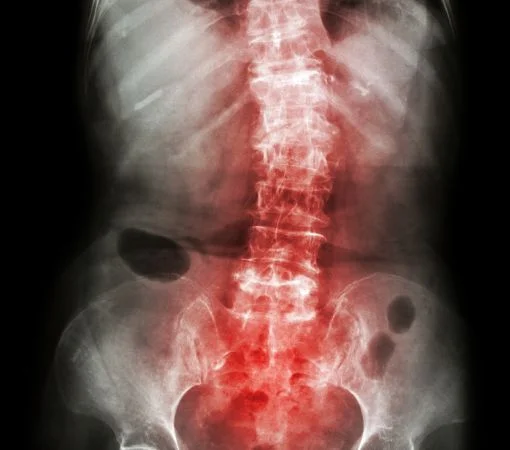
Finding experienced doctors for spondylitis treatment in mumbai is important when persistent neck pain, back stiffness, or spinal discomfort begins affecting everyday activities. These symptoms may result from age-related spinal changes, disc degeneration, inflammatory conditions, or pressure on nearby nerves. A detailed medical assessment can help identify the underlying cause and guide an appropriate treatment plan.
Synapse Spine is a specialist spine care network in Mumbai that brings together orthopaedic spine surgeons and neurosurgeons to evaluate and manage a range of spinal disorders. Its team offers guidance on conservative treatment, rehabilitation, diagnostic investigations, and surgical options when clinically necessary. The goal is to help patients understand their condition and choose care suited to their symptoms, medical history, and lifestyle.
Understanding Spondylitis and Spondylosis
The terms spondylitis and spondylosis are sometimes used interchangeably in everyday conversation, but they describe different conditions.
Spondylosis refers to degenerative changes in the spine, including wear and tear affecting intervertebral discs and facet joints. It may lead to reduced disc height, bone spurs, stiffness, and, in some cases, nerve compression.
Spondylitis generally refers to inflammation involving the vertebrae or spinal structures. Inflammatory conditions, such as ankylosing spondylitis, may cause persistent back pain and stiffness and require a different diagnostic and treatment approach.
Because these conditions have different causes, identifying the correct diagnosis is essential before beginning treatment.
Common Symptoms of Spinal Degeneration and Inflammation
Symptoms vary according to the affected spinal region and whether nerves are involved.
Common signs include:
- Neck pain and stiffness, particularly after prolonged sitting.
- Lower back pain that worsens with certain movements.
- Reduced flexibility or difficulty turning the head.
- Pain radiating from the neck into the shoulders or arms.
- Pain extending from the lower back into the buttocks or legs.
- Tingling, numbness, or weakness in the arms or legs.
- Persistent morning stiffness, which may require evaluation for an inflammatory condition.
Symptoms should not automatically be attributed to ageing. Persistent or worsening discomfort deserves medical assessment, especially when it interferes with walking, sleeping, working, or other daily activities.
Sudden or progressive limb weakness, difficulty walking, loss of bladder or bowel control, or numbness around the groin requires urgent medical attention.
What Causes Spondylosis and Other Spinal Conditions?
Spinal degeneration can develop gradually over time. Factors that may contribute include ageing, family history, previous injuries, repetitive strain, prolonged poor posture, and certain occupational activities.
Disc degeneration may reduce the space between vertebrae, while bone spurs or thickened ligaments can narrow the spaces through which nerves travel. This may contribute to conditions such as spinal stenosis or cervical and lumbar radiculopathy.
Inflammatory spinal disorders have different mechanisms and may be associated with immune system activity and genetic predisposition. A spine specialist may coordinate care with a rheumatologist when an inflammatory condition is suspected.
How Is Spondylitis or Spondylosis Diagnosed?
An accurate diagnosis begins with a consultation and physical examination. The doctor reviews the location and duration of pain, stiffness, neurological symptoms, previous injuries, and treatments already attempted.
Depending on the findings, investigations may include:
X-rays: These can show alignment, disc-space changes, and certain degenerative features.
MRI scans: These provide detailed images of discs, nerves, the spinal cord, and surrounding soft tissues. MRI may be recommended when nerve compression or another significant spinal problem is suspected.
CT scans: These provide detailed views of bony structures and may be useful in selected cases.
Blood tests: These may be advised if symptoms suggest an inflammatory or infectious condition.
Neurological assessment: Strength, sensation, reflexes, and walking ability may be examined to assess possible nerve or spinal cord involvement.
Not every patient needs every test. Investigations should be selected according to symptoms and examination findings.
Treatment Options Available at Synapse Spine
Treatment depends on the diagnosis, severity of symptoms, degree of nerve involvement, general health, and response to earlier care. Many patients improve with non-surgical treatment.
1. Medication and Activity Modification
A doctor may recommend appropriate pain-relieving or anti-inflammatory medication, depending on the diagnosis and the patient’s medical history. Heat or cold applications and temporary modification of activities that aggravate symptoms may also help.
Medicines should be taken according to professional advice, particularly for people with kidney disease, stomach ulcers, cardiovascular conditions, or other medical concerns.
2. Physiotherapy and Rehabilitation
Physiotherapy can help improve flexibility, muscle strength, posture, and spinal support. A personalised programme may include mobility exercises, strengthening, stretching, and guidance on safer movement during daily activities.
Patients should avoid exercises that worsen symptoms and follow a programme suited to their condition. Physiotherapy is often an important part of recovery, whether treatment is surgical or non-surgical.
3. Image-Guided Injections
For selected patients with persistent pain caused by nerve irritation or inflammation, a specialist may consider an epidural steroid injection or facet joint injection. These procedures may provide temporary symptom relief, but their suitability and expected benefits vary. They do not reverse underlying spinal degeneration.
4. Minimally Invasive Spine Surgery
Surgery may be considered when symptoms remain disabling despite appropriate conservative treatment, or when there is significant nerve compression or another problem requiring surgical management.
Depending on the diagnosis, procedures may include:
- Decompression surgery: Relieves pressure on nerves or the spinal cord.
- Discectomy: Removes part of a disc that is compressing a nerve.
- Spinal fusion: Joins selected vertebrae to provide stability when indicated.
- Artificial disc replacement: Replaces a damaged disc in carefully selected patients.
Not everyone with spondylosis needs surgery. A specialist should explain the expected benefits, risks, alternatives, and recovery requirements before a decision is made.
Meet the Spine Specialists at Synapse Spine
Synapse Spine’s team includes orthopaedic spine surgeons and neurosurgeons with training in different aspects of spinal care. This multidisciplinary expertise supports assessment of common conditions such as neck pain, slipped discs, sciatica, spinal stenosis, and more complex spinal disorders.
The team includes specialists such as:
- Dr. Nandan Marathe, an orthopaedic spine surgeon with an MBBS and MS in Orthopaedics from Seth GS Medical College and KEM Hospital, Mumbai, and additional fellowship training in complex spine surgery, spinal deformities, and minimally invasive techniques.
- Dr. Anuj Bhide, a brain and spine surgeon with MBBS, MS in General Surgery, and MCh in Neurosurgery, with additional fellowship training in skull base and vascular surgery.
- Dr. Saikrishna Rengerla, a consultant spine surgeon with MBBS, MS in Orthopaedics, DNB in Orthopaedics, and FNB in Spine Surgery, with specialised training in endoscopic and minimally invasive spine surgery.
Their individual expertise varies, so the most appropriate specialist depends on the patient’s diagnosis and clinical needs.
A Patient-Focused Approach Across Mumbai
Synapse Spine has consultation locations in several parts of Mumbai and its surrounding areas, including Bandra, Andheri, Borivali, Vile Parle, Chembur, Mira Road, Vasai, and other nearby localities. Patients can contact the centre to confirm which clinic and specialist best suit their needs.
The care process focuses on understanding symptoms, reviewing investigations, explaining treatment alternatives, and planning appropriate follow-up. Patients may be advised to begin with medication and physiotherapy or undergo further testing when symptoms suggest a more complex condition.
Those searching for a spine specialist Doctor in Mumbai should consider the doctor’s relevant training, experience with their particular spinal condition, and willingness to explain both surgical and non-surgical options. When surgery is being considered, consulting a qualified spine surgeon in mumbai can help patients understand whether an operation is necessary and what recovery may involve.
Book a Consultation at Synapse Spine
Persistent neck or back pain should not be ignored, particularly when it is accompanied by numbness, tingling, weakness, or reduced mobility. An early assessment can help clarify the diagnosis and identify suitable treatment options.
If you are looking for doctors for spondylitis treatment in mumbai, contact Synapse Spine to arrange a consultation with an appropriate spine specialist.
Contact Synapse Spine
Frequently Asked Questions
1. Which doctor should I consult for spondylitis or spondylosis?
An orthopaedic spine surgeon can evaluate degenerative spinal conditions, while a neurosurgeon may assess conditions involving nerve or spinal cord compression. If inflammatory spondylitis is suspected, a rheumatologist may also be involved.
2. Can spondylosis be treated without surgery?
Yes. Many patients can manage symptoms with medication, physiotherapy, activity modification, and other non-surgical treatments. Surgery is considered when symptoms persist despite appropriate treatment or when specific neurological or structural problems require intervention.
3. What tests are needed to diagnose spondylosis?
Diagnosis may involve a clinical examination and, when indicated, X-rays, MRI, CT scans, or other investigations. The tests depend on the location of symptoms, examination findings, and whether nerve compression or an inflammatory condition is suspected.
4. How can I book an appointment with Synapse Spine?
Call +91 81496 86139, message +91 74998 98303 on WhatsApp, or email synapsespine@gmail.com. Contact the team to confirm the nearest clinic location, specialist availability, and appointment timing.