
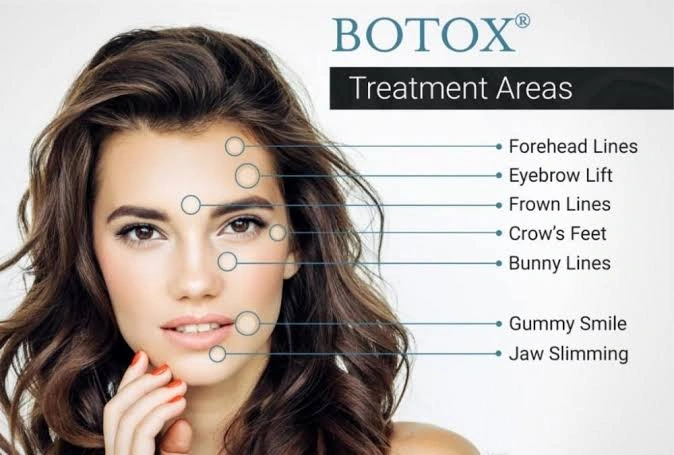
Expression lines are a natural part of ageing, but repeated facial movements can make certain wrinkles more noticeable over time. If you are exploring Facial Botox Treatment, understanding how the procedure works, its potential benefits, and its limitations can help you make an informed decision. Dr. Deepam Shah at Viva Aesthetic Clinic offers consultations for people interested in non-surgical aesthetic treatments, with recommendations based on facial anatomy, skin concerns, and individual expectations.
Botox refers to a brand of botulinum toxin type A, a prescription medicine used in carefully selected cases to temporarily reduce activity in specific muscles. When administered appropriately by a qualified medical professional, it may soften certain expression-related lines while allowing a person to retain a natural-looking appearance.
What Is Facial Botox Treatment?
Botulinum toxin injections work by temporarily blocking the nerve signals that cause selected muscles to contract. When the targeted muscles relax, the appearance of certain dynamic wrinkles—lines that form through repeated facial movements—may become less pronounced.
The treatment is commonly considered for:
- Forehead lines: Horizontal lines that appear when raising the eyebrows.
- Frown lines: Vertical lines between the eyebrows that can become noticeable when concentrating or frowning.
- Crow’s feet: Fine lines at the outer corners of the eyes that appear when smiling or squinting.
- Selected facial concerns: Other uses may be considered following an assessment and where clinically appropriate.
Botulinum toxin is not a dermal filler. Fillers add volume to selected areas, whereas botulinum toxin reduces activity in targeted muscles. The two treatments address different concerns and should not be considered interchangeable.
Who May Benefit from Botox?
Adults who are concerned about expression-related wrinkles may be suitable candidates, depending on their medical history, facial anatomy, and treatment goals. Some people prefer a subtle softening of lines, while others may want more noticeable improvement.
During a consultation, the doctor should assess facial movement, muscle strength, skin condition, existing asymmetry, medications, allergies, and previous injectable treatments. This helps determine whether injections are appropriate and which areas, if any, should be treated.
Botulinum toxin may not be suitable for everyone. Patients who are pregnant or breastfeeding, have certain neuromuscular conditions, or have experienced an allergic reaction to a relevant product should discuss this with their doctor. Some medicines can also affect treatment planning.
A consultation should include a discussion of alternatives, realistic expectations, possible side effects, and the option of not proceeding.
How Is the Procedure Performed?
A typical appointment involves several steps.
1. Facial assessment: The doctor discusses your concerns and observes how your facial muscles move at rest and during expressions.
2. Treatment planning: The proposed injection sites and dose are selected according to the areas being treated, muscle activity, and desired level of movement.
3. Injection: Small amounts of the prescribed product are injected into specific muscles using a fine needle. The appointment is generally brief, although the time required depends on the treatment plan.
4. Aftercare guidance: You receive instructions about what to avoid immediately after the procedure and when to contact the clinic if you experience concerning symptoms.
Anaesthetic cream is not always necessary, but comfort measures may be discussed. The product, dose, and injection sites should be confirmed with the treating medical professional before treatment.
Benefits and Expected Results
For suitable patients, Botox may reduce the appearance of selected expression lines without surgery or a lengthy recovery period. Potential benefits include a temporary softening of forehead lines, frown lines, and crow’s feet, depending on the individual’s anatomy and treatment plan.
Results are not immediate. Initial changes may appear within several days, with the full effect often becoming clearer over approximately one to two weeks. The duration varies according to the area treated, dose, muscle activity, and individual response. Effects commonly last around three to four months, although some people experience a shorter or longer duration.
Botulinum toxin does not stop the natural ageing process, remove all wrinkles, or treat every cause of facial lines. Lines caused mainly by sun damage, skin texture, or volume loss may require different approaches. The doctor may recommend skincare, sun protection, or another treatment if it is more appropriate.
Why Consult Dr. Deepam Shah at Viva Aesthetic Clinic?
Dr. Deepam Shah is a dermatologist, cosmetologist, and hair transplant surgeon practising in Mumbai. His qualifications include an MBBS from the University of Bombay, a DNB in Dermatology and Venereology from the University of Delhi, and a Fellowship in Aesthetic Medicine and Hair Transplant from the Institute of Laser and Aesthetic Medicine (ILAMED).
He has more than a decade of experience in skin, hair, and aesthetic treatments. His professional profile also notes recognition as a Silver Medalist in the MUHS examination and Best Post Graduate Student for the Galderma Institute.
As a Dermatologist and Skin Specialist in Mumbai, Dr. Shah evaluates individual concerns before discussing suitable aesthetic options. This is important because facial anatomy and muscle activity vary, and the same injection plan is not appropriate for everyone.
Viva Aesthetic Clinic is a 1,000-square-foot practice equipped with aesthetic devices and laser technologies. The clinic provides consultations and treatment services for skin, hair, and aesthetic concerns. Patients should confirm the details of the proposed procedure, the product being used, and the follow-up arrangements before proceeding.
When choosing a Dermatologist in Mumbai, look for relevant medical qualifications, experience with the treatment being considered, clear explanations of risks, and a willingness to discuss alternatives. No practitioner can guarantee a particular cosmetic outcome.
Safety, Side Effects, and Aftercare
Mild redness, swelling, bruising, or tenderness at injection sites may occur temporarily. Some patients develop a headache or experience temporary unwanted changes in nearby muscle activity. Depending on the injection site and technique, complications may include eyelid or eyebrow drooping, facial asymmetry, or an expression that feels different than expected.
Rarely, botulinum toxin effects can spread beyond the injection site and cause serious symptoms. Seek urgent medical attention if you develop difficulty swallowing, speaking, or breathing, or widespread muscle weakness after treatment.
Follow the specific aftercare instructions provided by your clinician. Avoid rubbing or massaging the treated areas immediately after injections and ask when it is appropriate to resume strenuous exercise or other activities. Contact the clinic if you have concerns about your recovery.
Choose a qualified medical professional and a legitimate, appropriately stored product. Treatment should take place in a suitable clinical setting following a medical assessment.
Book Your Consultation at Viva Aesthetic Clinic
If you are considering Facial Botox Treatment, a consultation with Dr. Deepam Shah can help you understand whether it is suitable for your concerns. Discuss your desired outcome, the expected duration, possible side effects, and the total cost before deciding to proceed.
📞 93245 89084 | ☎️ 022 3573 1556
📧 clinicvivacosmetic@gmail.com
📍 Visit: Viva Aesthetic Clinic, Opera House or Colaba, Mumbai
Frequently Asked Questions
1. How long does Botox take to show results?
Initial effects may become noticeable within several days, while the full effect often develops over one to two weeks. Timing varies depending on the individual, dose, and treatment area.
2. How long do Botox results last?
Results commonly last around three to four months, although the duration varies. A clinician can advise whether and when repeat treatment may be appropriate.
3. Is Botox painful?
Most patients describe the injections as brief pinpricks. Mild discomfort, redness, or bruising may occur. Your clinician can explain available comfort measures before treatment.
4. Is Botox suitable for every type of wrinkle?
No. It works best for selected wrinkles caused by muscle movement. Lines related to sun damage, skin texture, or facial volume loss may require different treatments. An assessment helps identify suitable options.