
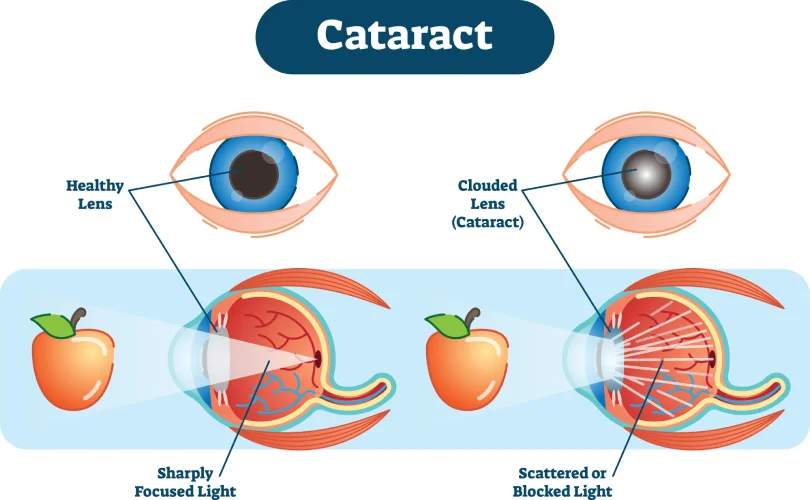
Cataracts are a common eye condition, particularly among older adults, in which the natural lens becomes cloudy and affects the clarity of vision. People with cataracts may experience blurred eyesight, glare from lights, difficulty reading, and problems seeing clearly at night. Early evaluation can help identify the condition and determine when treatment may be necessary. If you are looking for a Cataract specialist in Andheri, Dr. Seema Behl at Smart Vision Eye Centre provides consultations and cataract care based on individual eye health and visual needs. With extensive experience in ophthalmology and cataract microsurgery, she helps patients understand their diagnosis, available surgical techniques, and artificial lens options.
This guide explains cataract symptoms, diagnosis, treatment options, recovery, and what to expect during a consultation at Smart Vision Eye Centre in Andheri East, Mumbai.
What Is a Cataract?
A cataract develops when the natural lens inside the eye becomes cloudy. Normally, this lens focuses light onto the retina to produce a clear image. When the lens becomes opaque, light cannot pass through it properly, resulting in blurred or hazy vision.
Cataracts usually develop gradually with age, although they can also occur due to eye injuries, certain medical conditions, prolonged use of some medications, or congenital factors.
Common symptoms include:
- Blurred, cloudy, or dim vision.
- Increased sensitivity to sunlight and bright lights.
- Glare or halos around headlights when driving at night.
- Difficulty reading or recognising faces.
- Colours appearing faded or less vivid.
- Frequent changes in spectacle prescription.
- Reduced ability to perform everyday activities because of poor vision.
These symptoms can also occur with other eye conditions. A comprehensive eye examination is necessary to identify the cause and determine the appropriate treatment.
When Should You Consult a Cataract Specialist in Andheri?
Cataracts may initially cause only minor visual changes, but they can progressively interfere with daily activities. Consulting an eye specialist is advisable if you notice persistent blurred vision, difficulty driving at night, frequent changes in your glasses prescription, or trouble reading despite using corrective eyewear.
An ophthalmologist can examine the lens, assess visual acuity, and check for other conditions that may affect sight, such as glaucoma or retinal disease.
Cataract surgery is generally recommended when vision loss begins to interfere with daily life and the expected benefits outweigh the risks. Surgery is not always necessary immediately after a cataract is diagnosed. Your doctor can explain whether monitoring, an updated glasses prescription, or surgery is appropriate.
Sudden vision loss, severe eye pain, or sudden onset of significant visual disturbance requires urgent medical assessment rather than assuming the symptoms are caused by cataracts.
Cataract Surgery Options and How They Work
Modern cataract surgery removes the cloudy natural lens and replaces it with an artificial intraocular lens (IOL). The recommended technique depends on the cataract’s severity, eye health, and the surgeon’s assessment.
Phacoemulsification: This commonly used technique involves a small incision. Ultrasound energy breaks the cloudy lens into smaller pieces, which are then removed. An artificial lens is implanted to help focus light properly.
Extracapsular cataract extraction: In selected cases, such as some advanced cataracts, a different surgical technique may be needed to remove the cloudy lens through a larger incision.
Cataract surgery usually takes around 15–20 minutes for the procedure itself, although preparation and post-operative monitoring take additional time. Many patients return home the same day. The exact method and timing depend on the individual case.
Understanding Cataract Lens Options
Choosing an intraocular lens is an important part of cataract treatment. The right lens depends on your prescription, lifestyle, eye health, and expectations regarding glasses after surgery.
- Monofocal lenses: Provide focus at one main distance. Glasses may still be needed for reading or other activities.
- Aspheric monofocal lenses: Designed to improve certain aspects of optical performance, including contrast and image quality, depending on the individual eye.
- Toric lenses: Help correct corneal astigmatism along with the cataract.
- Multifocal lenses: Provide more than one focal distance and may reduce dependence on glasses for near and distance tasks.
- Extended-depth-of-focus or trifocal lenses: May offer a broader range of functional vision for selected patients.
Premium lenses are not suitable for everyone, and they may have trade-offs such as glare or halos. The surgeon should discuss likely benefits, limitations, and costs before a decision is made. No lens can guarantee complete freedom from glasses.
What to Expect During Recovery
Recovery varies depending on the procedure, the health of the eye, and whether other eye conditions are present. Vision may improve early, but mild blurriness can persist for days or weeks while the eye heals and adapts to the new lens.
After surgery, patients should:
- Use prescribed eye drops according to the schedule provided.
- Avoid rubbing or pressing on the operated eye.
- Keep water, dust, and potentially contaminated materials away from the eye as advised.
- Follow instructions about exercise, lifting, swimming, and driving.
- Attend follow-up appointments so the doctor can monitor healing.
Temporary irritation, mild discomfort, or fluctuating vision may occur. Severe pain, increasing redness, sudden vision loss, or worsening symptoms require urgent medical review.
Why Choose Dr. Seema Behl at Smart Vision Eye Centre?
Dr. Seema Behl is the Medical Director of Smart Vision Eye Centre and a consultant eye surgeon with an M.B.B.S. and M.S. in Ophthalmology from the Institute of Medical Sciences, Banaras Hindu University, Varanasi. She completed training in general ophthalmology and cataract microsurgery, including phacoemulsification, at Aravind Eye Hospital in Madurai. Her additional training includes an intensive LASIK course.
With approximately 30 years of experience across eye hospitals in Mumbai and Delhi, Dr. Seema Behl has performed thousands of cataract surgeries, including complex cases involving traumatic and paediatric cataracts. She has also worked in cataract and refractive surgery departments and participated in training other doctors in small-incision cataract surgery and phacoemulsification.
Her areas of expertise include cataract surgery, phacoemulsification, microsurgery, LASIK and refractive surgery, glaucoma, and general ophthalmology. Her professional profile also documents involvement in medical conferences, research presentations, and publications.
Smart Vision Eye Centre aims to provide accessible, patient-focused eye care in a clean, well-equipped clinical environment. Its diagnostic and operative facilities include a Carl Zeiss slit lamp, digital visual acuity chart, Biomed A-scan, Zeiss operating microscope, phacoemulsification equipment, and OCT for retinal and glaucoma evaluation. The clinic is located in Andheri East and has parking facilities.
Patients seeking an Eye Specialist & Surgeon in Mumbai can discuss their symptoms, examination findings, treatment options, and recovery expectations with the team. Those searching for an Ophthalmologist Clinic in Andheri East, Mumbai can contact Smart Vision Eye Centre to arrange an appointment.
Book a Cataract Consultation in Andheri, Mumbai
If you are experiencing cloudy vision or difficulty with everyday activities, an examination can help determine whether cataract treatment is necessary. A consultation with a Cataract specialist in Andheri can help you understand your diagnosis, available surgical techniques, lens choices, and expected recovery.
Contact Smart Vision Eye Centre to book an appointment with Dr. Seema Behl.
+91 9321842424 | +91 22 31399370
info@smartvisioneyecentre.com
Get Directions to the Clinic – Smart Vision Eye Centre
Choose informed, personalised eye care to take the next step towards better vision. Contact the clinic to discuss your symptoms and arrange a comprehensive eye examination.
Frequently Asked Questions
1. How do I know if I need cataract surgery?
If cloudy vision, glare, or difficulty reading and driving interferes with daily activities, consult an ophthalmologist. Surgery is generally considered when cataracts affect quality of life and the expected benefits outweigh the risks.
2. How long does cataract surgery take?
The procedure itself commonly takes around 15–20 minutes, although preparation and monitoring require additional time. Many patients return home on the same day.
3. Which lens is best for cataract surgery?
The choice depends on your eye health, prescription, astigmatism, lifestyle, and visual expectations. Monofocal, toric, multifocal, and other advanced lenses may be considered after an examination.
4. How long does it take to recover from cataract surgery?
Many patients notice improved vision within a few days, but complete visual stabilisation can take several weeks. Follow the prescribed aftercare plan and attend all follow-up visits.